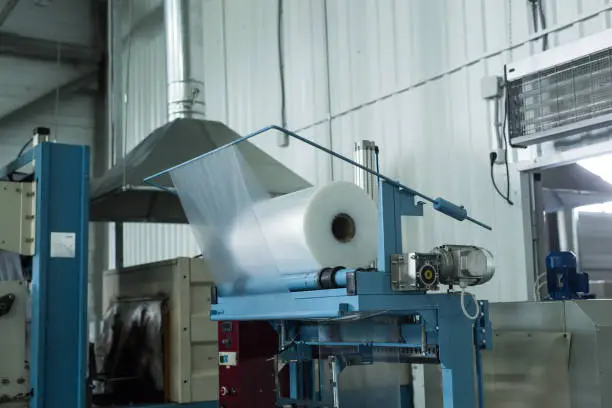

India's chemical sector continues to emerge as one of the most important growth markets globally, supported by industrialization, manufacturing expansion and increasing export competitiveness. Among the country's largest participants, the Aditya Birla Group has built one of the most diversified chemical portfolios in the region.
Through businesses spanning chlor-alkali production, carbon black, specialty chemicals and construction materials, the group benefits from integrated value chains that create operational efficiencies and cost advantages. As India improves trade access with major international markets and accelerates sustainability initiatives, the company's chemical operations are positioned to benefit from several long-term growth trends.
Building a Diversified Chemical Portfolio
The Aditya Birla Group's chemical footprint extends across multiple industrial sectors rather than relying on a single product category.
Key business segments include:
Caustic soda production.
Chlorine and chlor-alkali products.
Carbon black manufacturing.
Specialty chemicals.
Construction and cement-related chemicals.
This diversification helps reduce exposure to individual market cycles while creating opportunities to serve a broad range of industrial customers.
The strategy also allows the group to participate in sectors ranging from textiles and aluminium to infrastructure and automotive manufacturing.
Chlor-Alkali Operations Remain a Core Strength
One of the most important parts of the company's chemical business is its chlor-alkali operations through the chemical division of Grasim Industries.
Caustic soda and chlorine are fundamental building blocks used across numerous industries, including:
Aluminium production.
Textile processing.
Paper manufacturing.
Water treatment.
Chemical intermediates.
Because these products support essential industrial activities, demand often grows alongside broader economic development.
India's continued manufacturing expansion is creating favorable conditions for chlor-alkali producers capable of supplying large-scale industrial customers.
Sustainability Is Becoming a Competitive Advantage
Energy costs represent a major component of chlor-alkali production economics.
Recognizing this reality, Grasim Industries has introduced sustainability initiatives aimed at reducing environmental impact while improving long-term competitiveness.
A notable focus has been the use of renewable energy to support caustic soda production at its Gujarat operations.
Potential benefits include:
Lower carbon intensity.
Reduced exposure to conventional energy volatility.
Improved sustainability credentials.
Better alignment with customer ESG requirements.
Enhanced export competitiveness.
As global buyers increasingly evaluate environmental performance, renewable-powered chemical production may become an important differentiator.

Carbon Black Provides Exposure to Industrial Growth
Through Birla Carbon, the group maintains one of the world's most significant positions in the carbon black industry.
Carbon black is used extensively in:
Tires.
Rubber products.
Industrial materials.
Specialty applications.
Automotive manufacturing.
Demand for carbon black is closely tied to transportation, infrastructure and industrial production, making it an important component of the company's diversified portfolio.
Its global presence also provides access to international markets beyond India.
Specialty Chemicals Offer Higher-Margin Opportunities
Like many major chemical companies, Aditya Birla is increasingly focused on specialty products that provide greater differentiation and stronger margins.
Specialty chemical businesses typically benefit from:
Technical expertise.
Customer-specific formulations.
Performance-based value propositions.
Lower commodity exposure.
Stronger customer relationships.
As India's manufacturing capabilities continue to advance, specialty chemical exports are expected to play a larger role in the country's industrial growth story.
Trade Agreements Could Unlock New Export Potential
Improving market access remains a significant opportunity for Indian chemical producers.
Developments involving India-EU trade negotiations and broader India-US commercial engagement could support export growth for chemical manufacturers.
Potential benefits include:
Expanded market access.
Improved competitiveness.
Greater export diversification.
Reduced trade barriers.
Increased international demand opportunities.
Companies with established production capacity and broad product portfolios are likely to be among the primary beneficiaries of improved trade conditions.
Integration Creates a Structural Cost Advantage
One of the defining characteristics of the Aditya Birla Group's chemical operations is vertical integration.
Integrated value chains can provide several advantages:
Improved feedstock security.
Lower logistics costs.
Better operational coordination.
Greater supply chain visibility.
Enhanced margin protection.
These benefits become particularly important during periods of raw material volatility or supply chain disruption.
For products such as chlor-alkali chemicals, carbon black and construction-related additives, integrated operations can create meaningful competitive advantages.
India's Chemical Industry Continues to Expand
The broader outlook for India's chemical sector remains positive.
Growth drivers include:
Rising domestic manufacturing.
Infrastructure development.
Aluminium industry expansion.
Textile production growth.
Export market opportunities.
As industrial demand increases, companies with diversified portfolios and integrated production platforms are likely to benefit from multiple growth channels simultaneously.
The Bottom Line
Aditya Birla Group's chemical businesses illustrate how scale, diversification and integration can create long-term competitive advantages in the global chemical industry. Through chlor-alkali operations, carbon black production, specialty chemicals and construction-related materials, the company participates in many of the fastest-growing segments of India's industrial economy.
The combination of renewable energy initiatives, export opportunities and integrated value chains positions the group to benefit from both domestic demand growth and expanding international market access. For industry observers and procurement professionals, Aditya Birla's strategy offers a useful example of how large chemical conglomerates are adapting to a future increasingly shaped by sustainability, specialization and global trade.
Interested in sourcing chemicals from India's growing manufacturing sector? Explore verified suppliers and market opportunities on our platform today.
Caustic Soda Flakes CAS: 1310-73-2