

Bioprocessing Chemicals: The Upstream Pharmaceutical Supply Chain Often Overlooked
Introduction
The rapid growth of biologics, biosimilars, cell therapies, gene therapies, and vaccines has transformed pharmaceutical manufacturing. While much attention is given to active pharmaceutical ingredients (APIs), finished drug products, and sterile packaging, one critical part of the manufacturing ecosystem often receives far less attention—the bioprocessing chemicals that support upstream production.
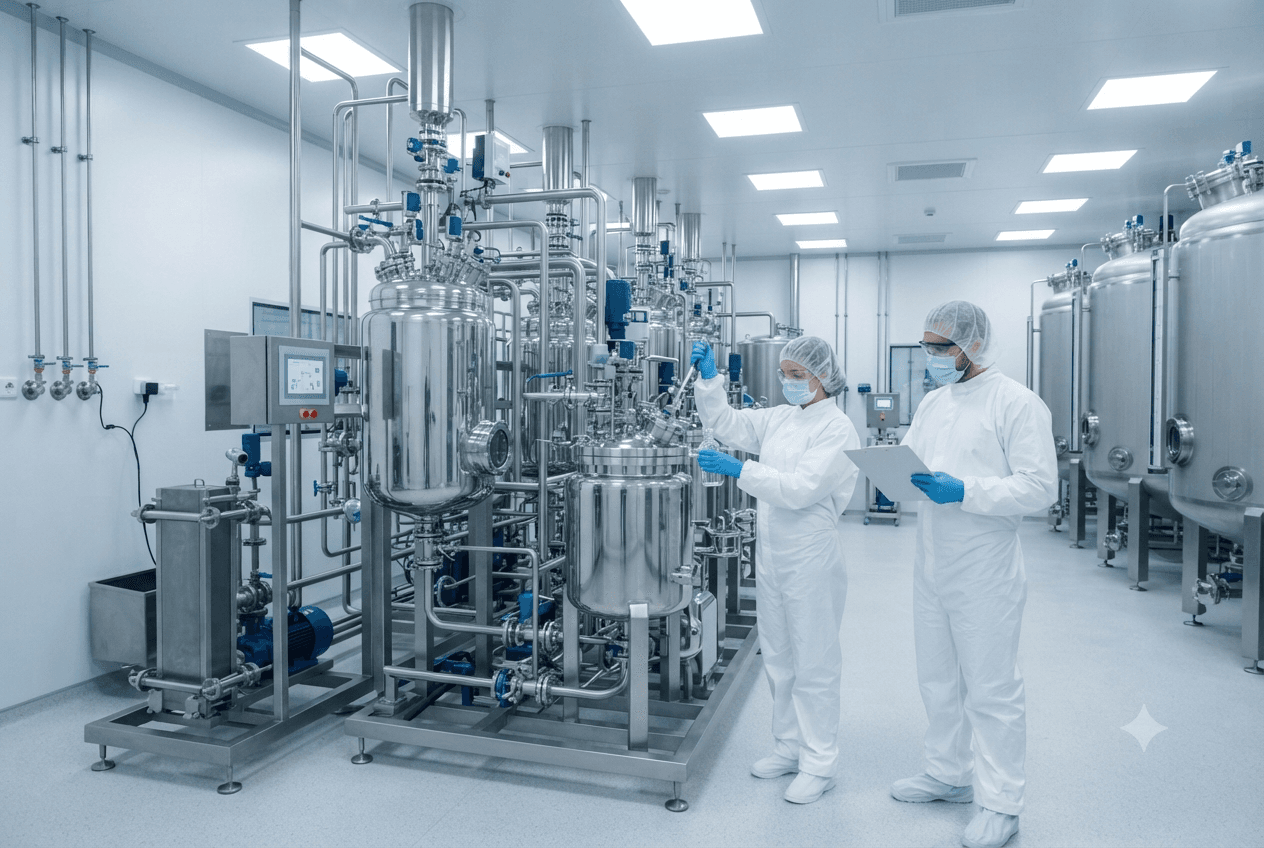
These specialized chemicals are essential for cultivating cells, supporting microbial fermentation, purifying biological products, and maintaining highly controlled manufacturing environments. Without a reliable supply of these materials, the production of modern biologic medicines can be delayed or disrupted.
For pharmaceutical manufacturers and procurement professionals, understanding the upstream bioprocessing chemical supply chain is increasingly important for ensuring manufacturing continuity, regulatory compliance, and long-term supply chain resilience.
What Are Bioprocessing Chemicals?
Bioprocessing chemicals are specialized materials used during the development and manufacture of biological medicines. Unlike APIs, these chemicals support the biological production process rather than serving as the therapeutic ingredient in the final product.
Common categories include:
Cell culture media components
Buffer chemicals
Amino acids
Salts and minerals
Sugars and carbohydrates
Growth factors
Process aids
Chromatography reagents
Filtration chemicals
Cleaning and sanitization agents
These materials are critical to maintaining optimal conditions for cell growth, protein expression, purification, and process consistency.
The Role of Bioprocessing Chemicals in Pharmaceutical Manufacturing
Biologics are produced using living cells or microorganisms, making manufacturing significantly more complex than traditional chemical synthesis.
Bioprocessing chemicals support key activities such as:
Cell culture preparation
Microbial fermentation
Nutrient supplementation
pH adjustment
Osmolality control
Protein purification
Equipment cleaning
Process validation
Any variation in the quality of these chemicals can influence manufacturing performance, product yield, and overall process consistency.
Understanding the Upstream Supply Chain
The upstream pharmaceutical supply chain involves multiple specialized stages before a biologic medicine reaches commercial production.
1. Raw Material Production
Many bioprocessing chemicals originate from highly controlled manufacturing processes involving chemical synthesis, biotechnology, or microbial fermentation.
Manufacturers must ensure:
High chemical purity
Batch-to-batch consistency
Controlled impurity profiles
Full traceability
Compliance with pharmaceutical quality standards
Reliable raw material sourcing forms the foundation of successful biologics manufacturing.
2. Manufacturing and Quality Control
Before release, bioprocessing chemicals undergo comprehensive analytical testing.
Quality evaluations typically include:
Identity testing
Assay
Impurity analysis
Microbiological testing
Endotoxin testing (where applicable)
Stability assessment
Documentation review
Rigorous quality systems help maintain consistent manufacturing performance.
3. Distribution and Storage
Many bioprocessing materials require carefully controlled storage and transportation conditions.
Depending on the product, manufacturers may specify:
Temperature-controlled storage
Protection from moisture
Light-sensitive packaging
Controlled humidity
Defined shelf-life management
Proper logistics help preserve product integrity throughout the supply chain.
Why This Supply Chain Is Often Overlooked
Bioprocessing chemicals are rarely visible to end users because they do not remain in the final medicinal product. Nevertheless, they are essential for successful production.
Several factors contribute to this supply chain being overlooked:
Focus on Finished Medicines
Most industry attention centers on finished products rather than the materials used during manufacturing.
Specialized Manufacturing
Many bioprocessing chemicals are produced by a relatively small number of highly specialized suppliers.
Complex Supplier Networks
The supply chain often involves multiple tiers of raw material providers, processors, distributors, and quality testing laboratories.
High Regulatory Expectations
Although many bioprocessing chemicals are considered process materials, manufacturers must still demonstrate adequate control over their quality and consistency.
Procurement Challenges
Procurement professionals face several challenges when sourcing bioprocessing chemicals.
These include:
Limited supplier availability
Long manufacturing lead times
Batch consistency requirements
Supply chain disruptions
Transportation delays
Regulatory documentation requirements
Demand forecasting for rapidly growing biologics markets
Managing these challenges requires close collaboration across procurement, quality, manufacturing, and regulatory teams.
Best Practices for Pharmaceutical Procurement
Organizations can strengthen supply chain resilience by implementing the following strategies:
Qualify multiple suppliers for critical materials.
Establish long-term supply agreements where appropriate.
Verify Certificates of Analysis (CoAs) for incoming materials.
Conduct regular supplier performance evaluations.
Maintain comprehensive supplier quality agreements.
Monitor inventory levels for high-risk materials.
Develop contingency sourcing plans for critical process chemicals.
Collaborate closely with manufacturing and quality assurance teams.
These practices improve operational continuity while reducing procurement risk.
Digital Transformation in Bioprocessing Procurement
Digital procurement technologies are helping pharmaceutical companies improve visibility across increasingly complex supply chains.
Modern supplier management systems support:
Electronic documentation
Supplier qualification tracking
Inventory forecasting
Risk monitoring
Quality management integration
Batch traceability
Procurement analytics
These capabilities enable more proactive and data-driven sourcing decisions.
Future Trends
The demand for biologics continues to expand globally, increasing the strategic importance of upstream bioprocessing chemicals.
Key trends shaping the future include:
Greater supplier diversification
Increased investment in local manufacturing
Enhanced digital supply chain visibility
Stronger risk-based procurement programs
Sustainable manufacturing initiatives
Advanced quality analytics and predictive supply planning
Companies that adapt to these trends will be better positioned to support the growing biologics market.
Conclusion
Bioprocessing chemicals may not receive the same attention as APIs or finished medicines, but they are fundamental to the successful manufacture of biologics, vaccines, and advanced therapies. Their quality, consistency, and availability directly influence manufacturing performance and product reliability.
For pharmaceutical procurement professionals, managing the upstream supply chain requires more than securing competitive prices. It involves supplier qualification, quality assurance, risk management, inventory planning, and cross-functional collaboration. By strengthening procurement strategies and building resilient supplier networks, organizations can ensure uninterrupted production and continue delivering safe, high-quality biological medicines to patients worldwide.
Betaine Anhydrous CAS: 107-43-7