
Overview of the 2026 Law
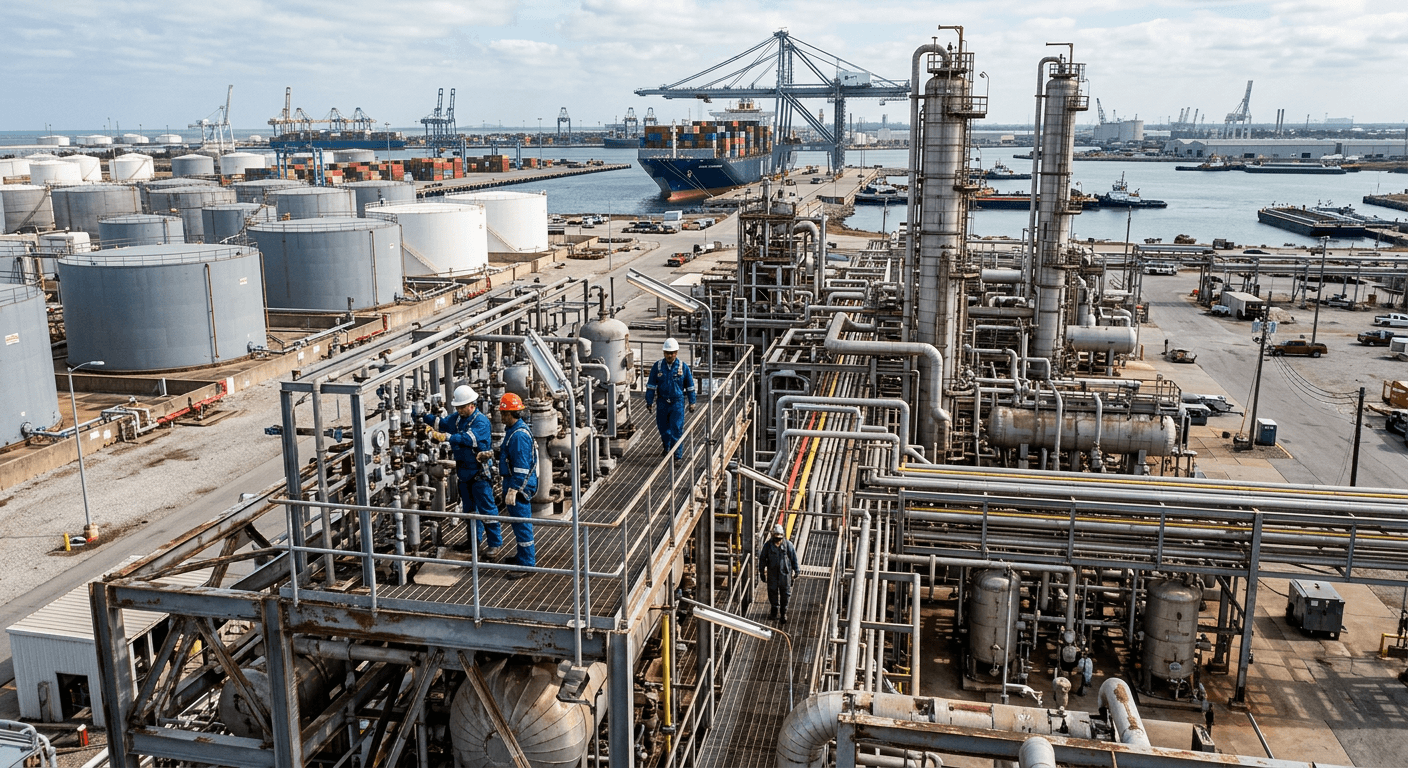
The China Hazardous Chemicals Safety Law 2026 consolidates previous statutes into a single, comprehensive framework. It extends obligations to every entity involved in the life‑cycle of hazardous chemicals—from design and production to import, export, storage, and transportation. The law applies to all hazardous chemical categories, including flammable, toxic, corrosive, and reactive substances, and introduces stricter licensing, reporting, and risk‑assessment requirements.
Key Regulatory Requirements
Licensing & Registration
Manufacturers, importers, and exporters must obtain a Hazardous Chemical Operation License (HCOL) and register each chemical with the State Environmental Protection Administration (SEPA). Failure to register triggers fines up to RMB 5 million and potential shutdown.
Risk Assessment & Safety Management
All facilities must conduct a Hazardous Chemical Risk Assessment (HCRA) and submit a Safety Management Plan (SMP) to SEPA annually. The SMP must detail:
- Emergency response procedures
- Employee training schedules
- Spill containment and cleanup protocols
- Regular inspection and maintenance routines
Storage & Transportation Controls
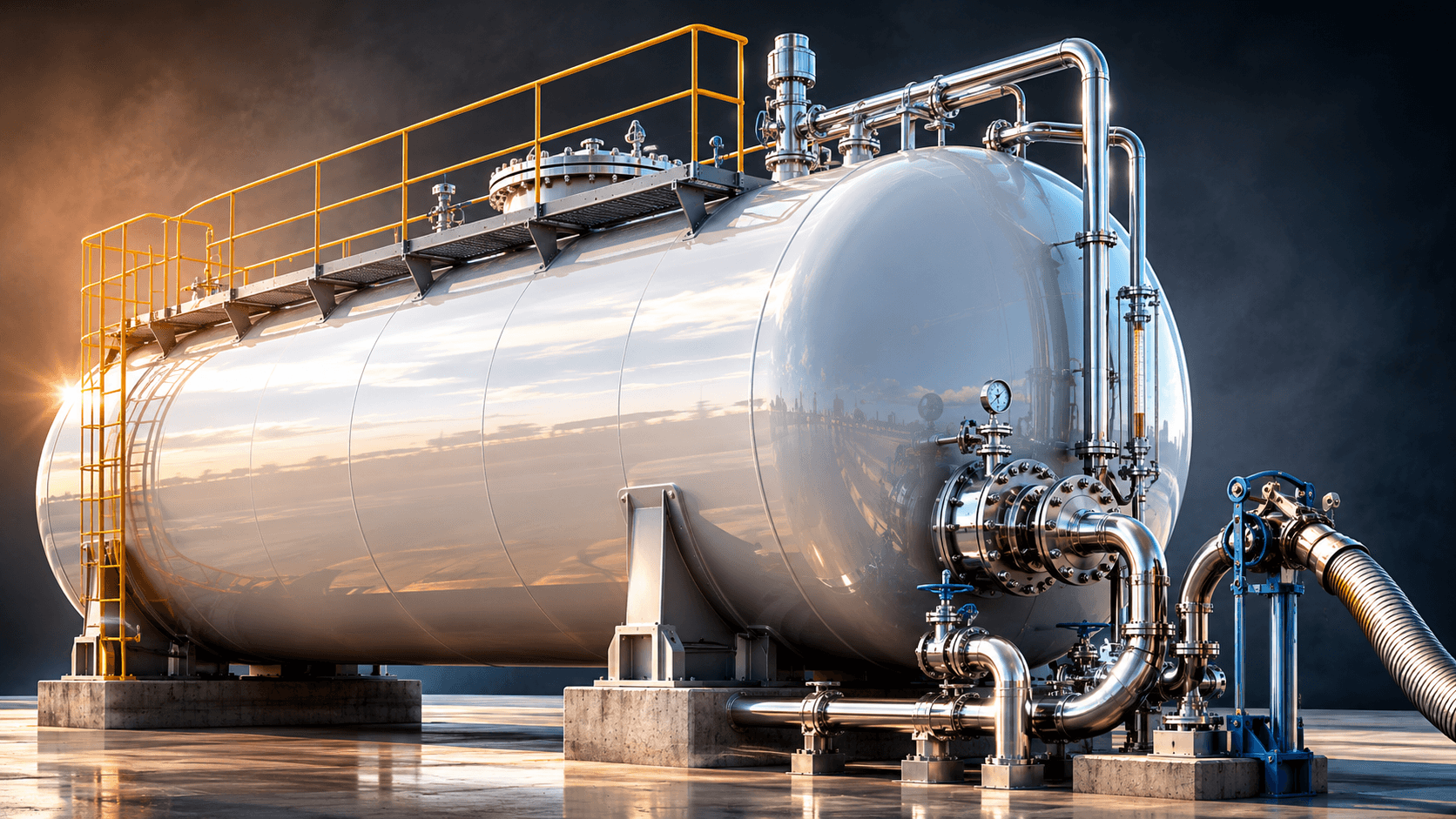
New storage regulations require:
- Segregation of incompatible chemicals by 2 m separation
- Installation of automatic fire suppression systems in all large‑scale warehouses
- Temperature monitoring for thermolabile substances
Transportation rules mandate:
- Certified hazardous goods carriers with electronic manifesting systems
- Real‑time GPS tracking for high‑risk shipments
- Mandatory driver safety training focused on hazardous materials handling
Import & Export Compliance
Importers must:
- Submit a Chemical Import Declaration (CID) 30 days before arrival
- Provide safety data sheets (SDS) in Chinese and English
- Ensure packaging meets the China Hazardous Chemical Packaging Standard (CHCPS)
Exporters must:
- Carry a valid HCOL and export permit
- Provide the receiving country’s compliance documentation
- Declare all hazardous chemicals on the Export Declaration Form (EDF)
Impact on Global Supply Chains
China’s projected addition of 70% of new global chemical capacity by 2027 means that many supply chains will route through Chinese manufacturers or logistics hubs. Companies dealing with hazardous chemicals must:
- Map out all points where chemicals enter or exit China
- Validate that each partner holds a valid HCOL
- Integrate SEPA’s electronic reporting systems into ERP platforms
Practical Steps for Compliance
- Conduct an internal audit of all hazardous chemical operations.
- Obtain or renew your HCOL, ensuring all data is up to date.
- Implement an online portal for real‑time reporting of HCRA and SMP submissions.
- Train personnel on new storage and transportation protocols, emphasizing segregation and emergency response.
- Update contracts to include clauses that require suppliers to comply with the 2026 Law.
Penalties and Enforcement
Non‑compliance triggers a tiered penalty structure: administrative fines, suspension of operations, and in severe cases, criminal charges for responsible executives. SEPA will conduct random audits and uses a public database to publish violations, increasing reputational risk.
Conclusion
China’s Hazardous Chemicals Safety Law 2026 represents a significant shift toward stricter chemical governance. Companies that proactively align their processes with these regulations will not only avoid costly penalties but also position themselves as trusted partners in a rapidly evolving global chemical market.