Boric Acid (99.9% Granular) - Peru CAS: 10043-35-3
Boric Acid (99.9% Granular) - Peru CAS: 10043-35-3

The withdrawal of the proposed 20% Hormuz cargo fee only days after it was announced highlights how quickly trade policy can change. Chemical procurement and compliance teams should document policy shifts and maintain flexible compliance processes to reduce operational risk.
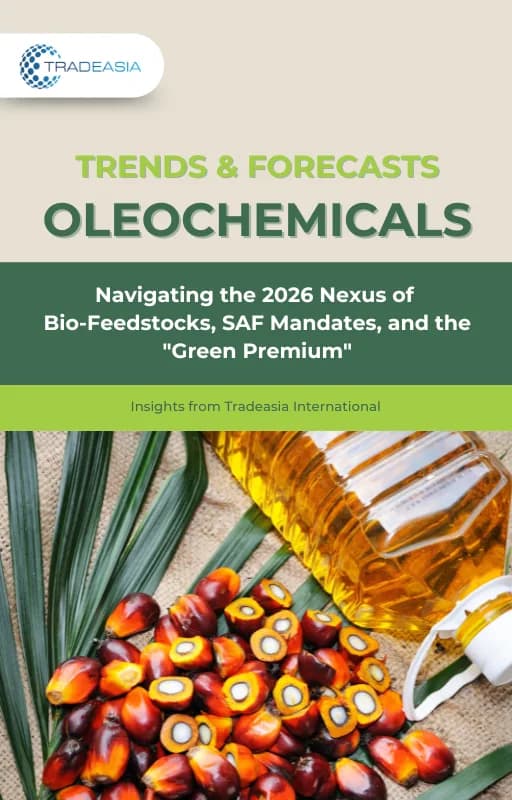
The EU’s Packaging and Packaging Waste Regulation (PPWR) is reshaping the pet recycling landscape, pushing brands to increase recycled PET (rPET) content. This article explores how PPWR drives demand, the importance of certified rPET supply, and strategies for securing compliance in a circular economy.
The transfer of four European petrochemical plants to Velogy introduces new questions about supplier sustainability commitments and transition planning. This guide explains why ownership changes matter for procurement teams, CSRD reporting and supply chain due diligence.

Pharmaceutical-grade amino acids used in parenteral nutrition solutions for patients cannot absorb nutrients enterally

More than 22,500 mariners remain stuck on over 1,550 vessels in the Persian Gulf, a human crisis behind every delayed chemical shipment. For procurement teams sourcing from Gulf producers, this is no longer a distant headline but a direct line item in supply chain risk.

Electronic chemicals and specialty gases are now seen as defense‑critical, as a July 2026 CRS report highlighted the risk of Hormuz disruptions to sulfur and rare‑gas supplies. Congress is moving to classify these materials, unlocking federal incentives and reserve mechanisms. Procurement managers must map their portfolios to align with the new security‑of‑supply framework.
We're committed to your privacy. Tradeasia uses the information you provide to us to contact you about our relevant content, products, and services. For more information, check out our privacy policy.