Dicalcium Phosphate CAS: 7757-93-9
Dicalcium Phosphate CAS: 7757-93-9
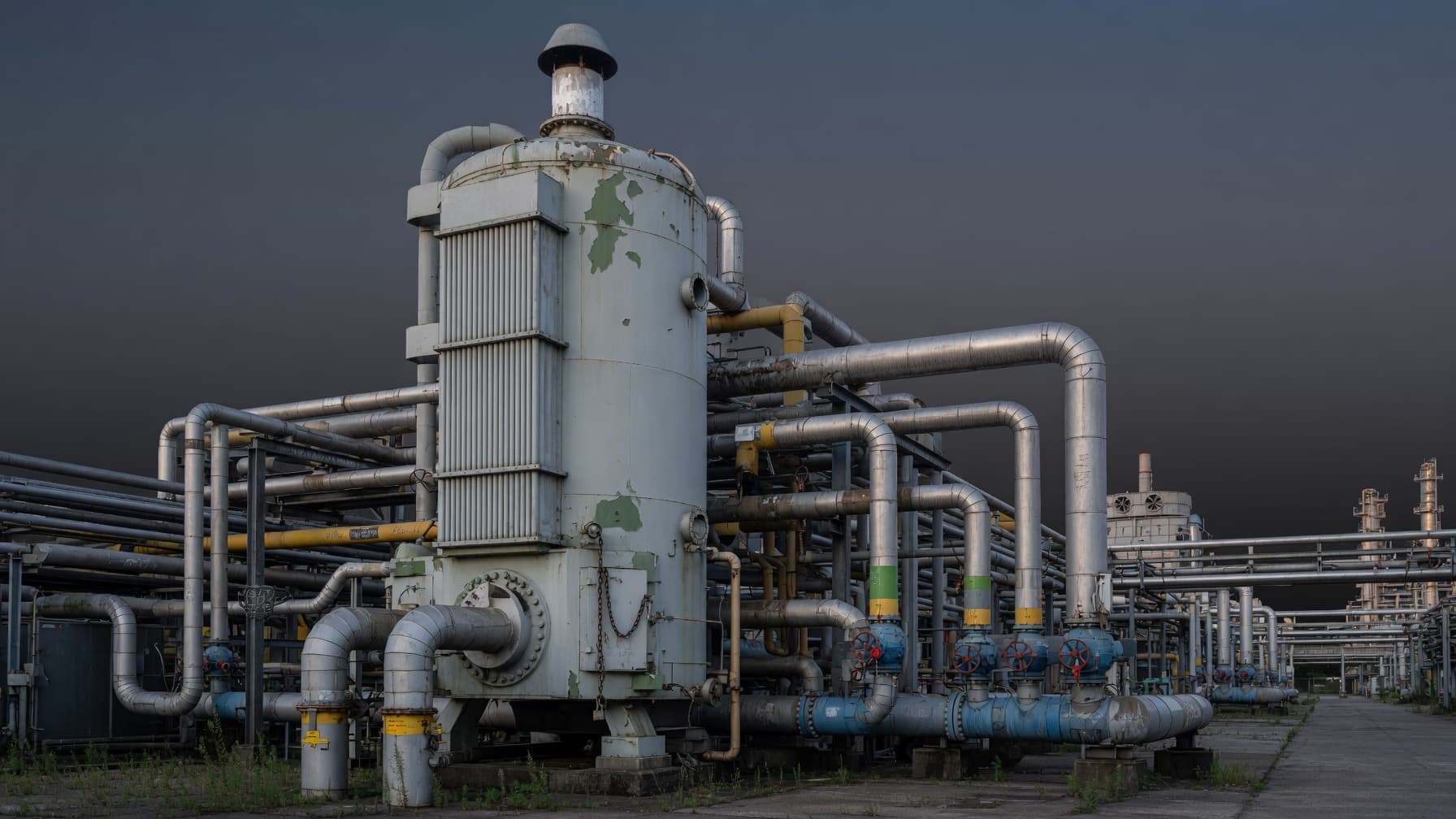
Europe's petrochemical industry continues to experience cracker closures as producers respond to high energy costs and growing competition from China. Procurement teams should understand how ongoing capacity reductions may reshape regional supply, pricing and long-term sourcing strategies.

Ammonia availability in Q3 2026 is rebounding, shifting power back to sellers. Indian buyers, once dominant in phosphoric acid pricing, now face tighter margins and less bargaining room. Learn how supply dynamics reshape fertilizer procurement strategies.

H1 2026 reshaped global chemical trade as the Hormuz crisis disrupted supply routes, cut seaborne volumes by up to 20%, boosted Chinese and US exports, and permanently altered logistics patterns. H2 will determine which of these structural shifts become the new normal.
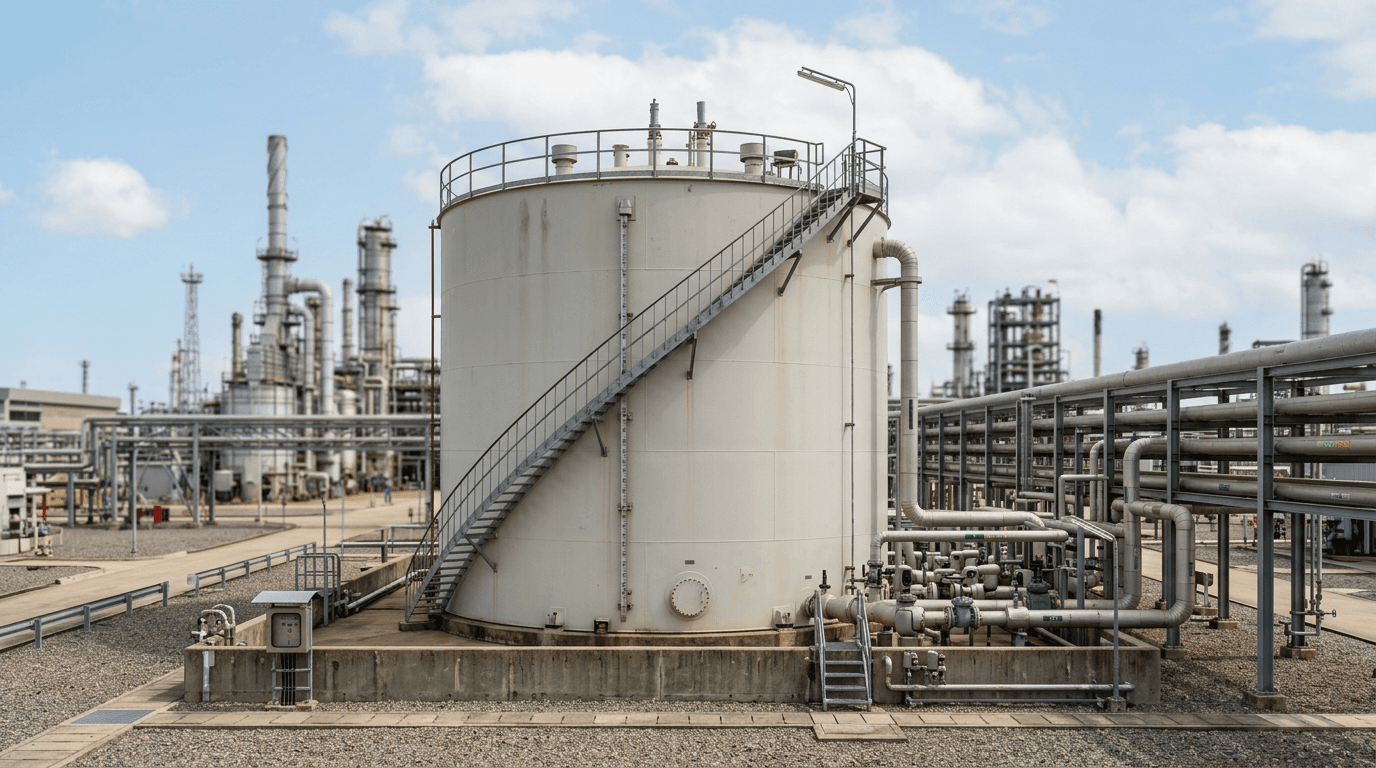
US ethane-based polyethylene gained market share in Asia during Gulf supply disruptions, but returning Gulf PE exports may reshape sourcing decisions in the second half of 2026. This analysis helps buyers compare origin, freight and contract strategies.
China’s latest NDRC decarbonization policy is reshaping the ethylene market, boosting the competitiveness of domestic crackers and influencing global petrochemical pricing trends by 2026. This article examines the policy’s key drivers, market shifts, and long‑term implications.
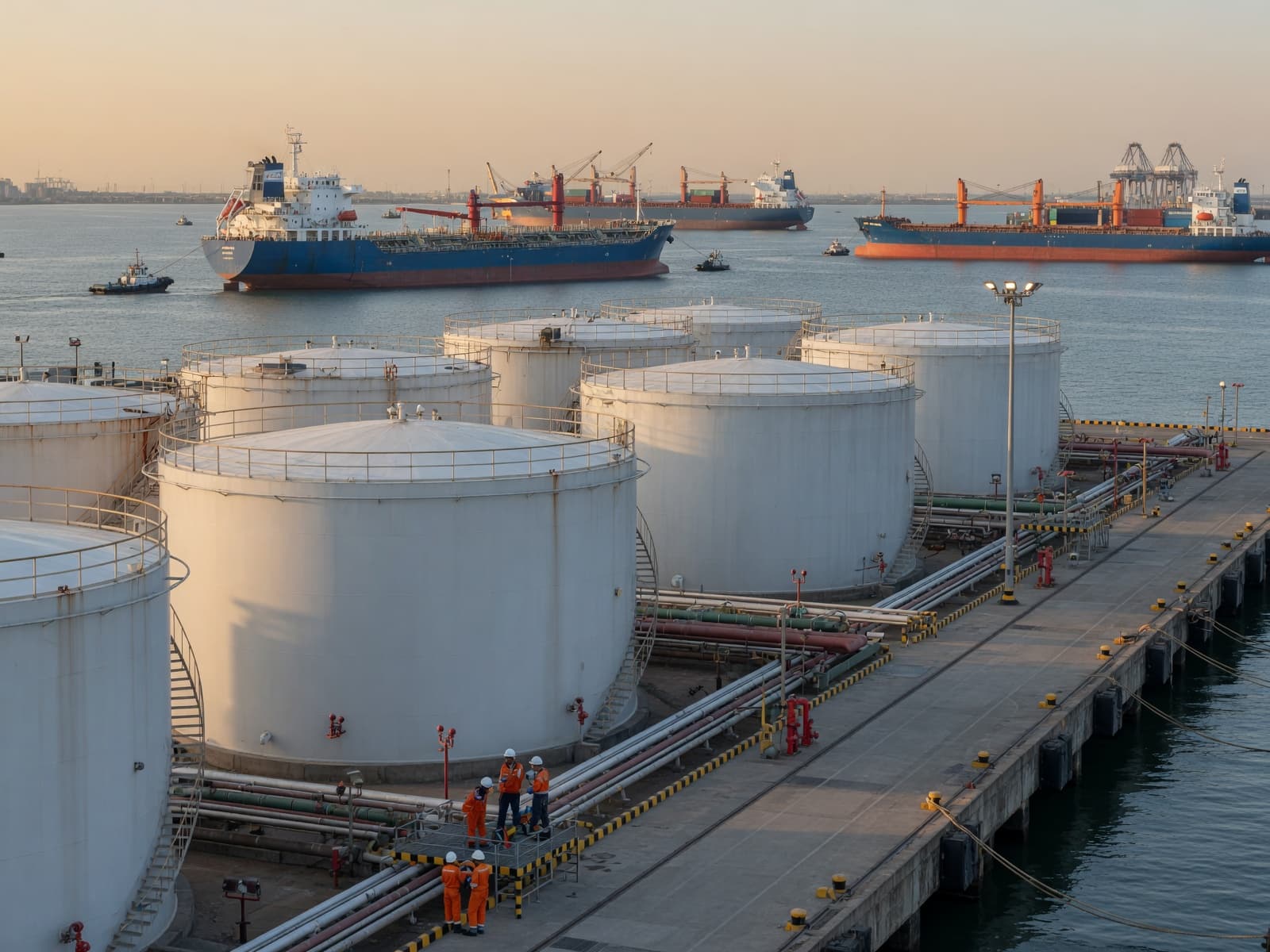
Methanol pricing outlook for Q3 2026 is entering a new phase as global buyers reassess contracts after Middle East supply concerns begin to ease. Procurement teams need to understand how energy markets, shipping routes and production recovery will influence upcoming methanol negotiations.
We're committed to your privacy. Tradeasia uses the information you provide to us to contact you about our relevant content, products, and services. For more information, check out our privacy policy.