
Dicalcium Phosphate CAS: 7757-93-9
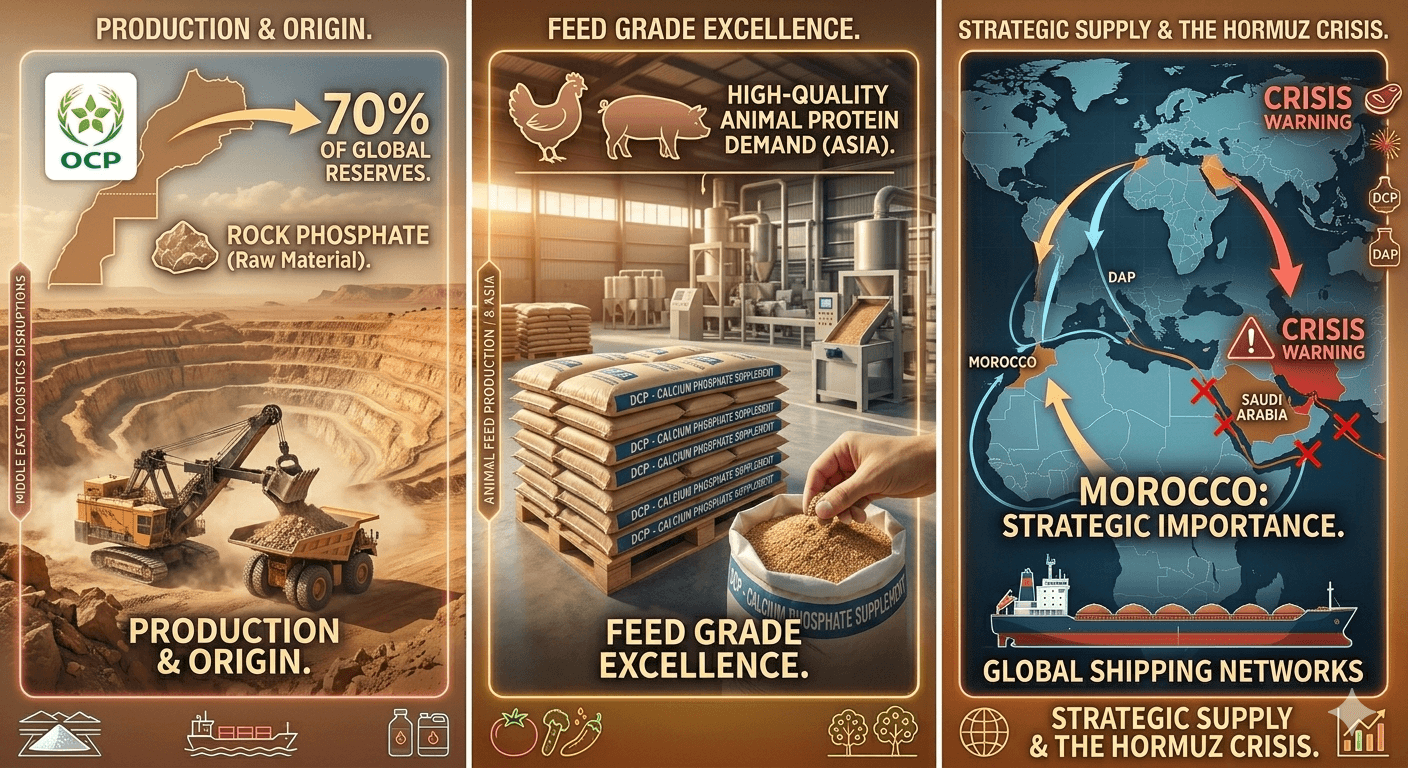
Dicalcium Phosphate CAS: 7757-93-9
Europe's petrochemical industry continues to experience cracker closures as producers respond to high energy costs and growing competition from China. Procurement teams should understand how ongoing capacity reductions may reshape regional supply, pricing and long-term sourcing strategies.
Advanced fuel additive technologies are reshaping retail fuel markets, boosting engine performance, protecting infrastructure, and driving operational efficiency. This trend is accelerating specialty chemical growth across fuel terminals and retailers, offering new revenue streams and value-added services.
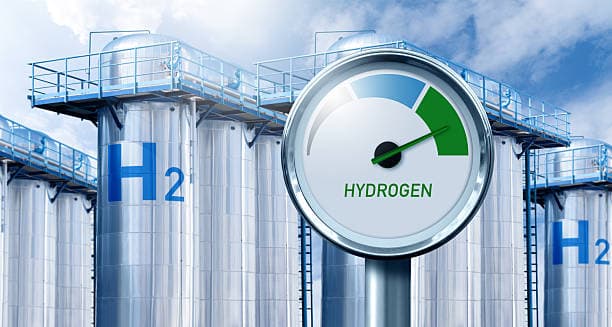
Brent crude price swings have a direct impact on the cost premium of green există hydrogen compared to its grey counterpart. With Brent at $79, the economics of green hydrogen shift dramatically, influencing low‑carbon chemical procurement and the broader energy transition. This article explores the mechanics behind the premium calculation and its implications for the chemical industry.
Harrison Jacoby, director of PE at ICIS, confirmed in IOM3's March 2026 reporting that around 84% of Middle East
Caustic soda and soda ash markets closed H1 2026 with more stable conditions compared with several crisis-affected chemical segments. Buyers can use current trends as a reference point for H2 procurement planning and cost assessments.

Unlike many chemical markets affected by the Hormuz disruption, electronic chemicals remain constrained due to structural semiconductor demand driven by AI and advanced chip manufacturing. Buyers should not expect supply conditions to ease alongside broader chemical markets in H2 2026.
We're committed to your privacy. Tradeasia uses the information you provide to us to contact you about our relevant content, products, and services. For more information, check out our privacy policy.