Borax Decahydrate (Technical Grade) - Argentina CAS: 1303-96-4
Borax Decahydrate (Technical Grade) - Argentina CAS: 1303-96-4

The withdrawal of the proposed 20% Hormuz cargo fee only days after it was announced highlights how quickly trade policy can change. Chemical procurement and compliance teams should document policy shifts and maintain flexible compliance processes to reduce operational risk.
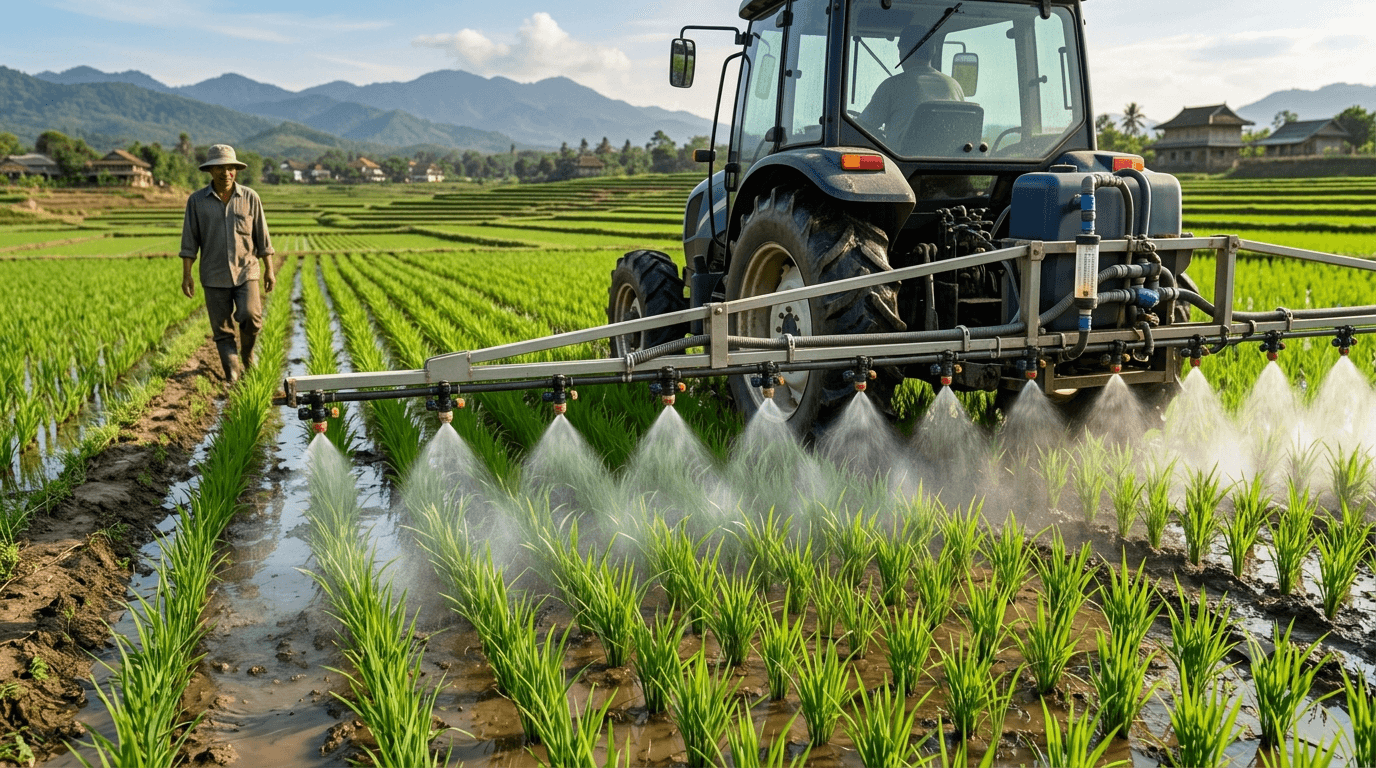
As Japanese chemical makers redirect investment from China to India across sectors like solar materials, agrochemical suppliers are watching whether a similar shift plays out in crop protection. For procurement teams managing fungicide, herbicide and insecticide portfolios, understanding whether this geographic pivot extends to agricultural chemicals matters for supply chain planning and sourcing strategy.
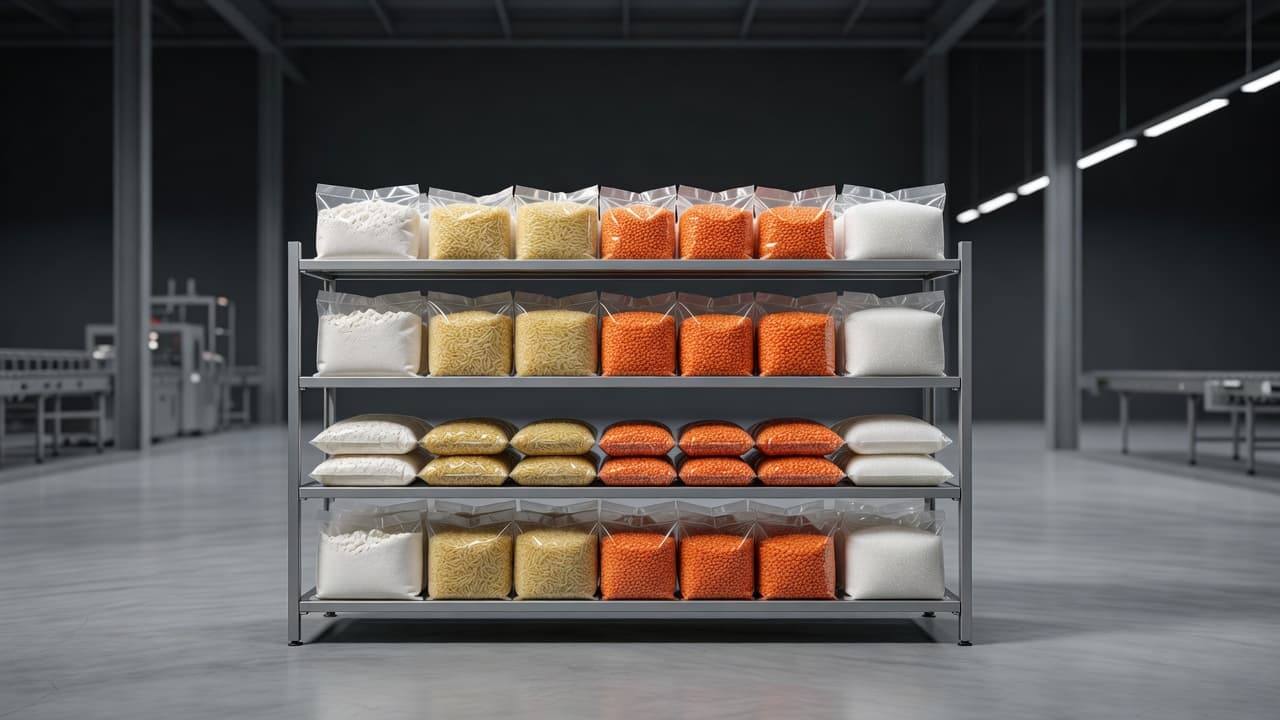
Manufacturing activity and consumer spending often move together, making the ISM Manufacturing PMI an important indicator for food ingredient suppliers. Procurement teams can use PMI trends alongside retail demand data to strengthen purchasing and inventory decisions.

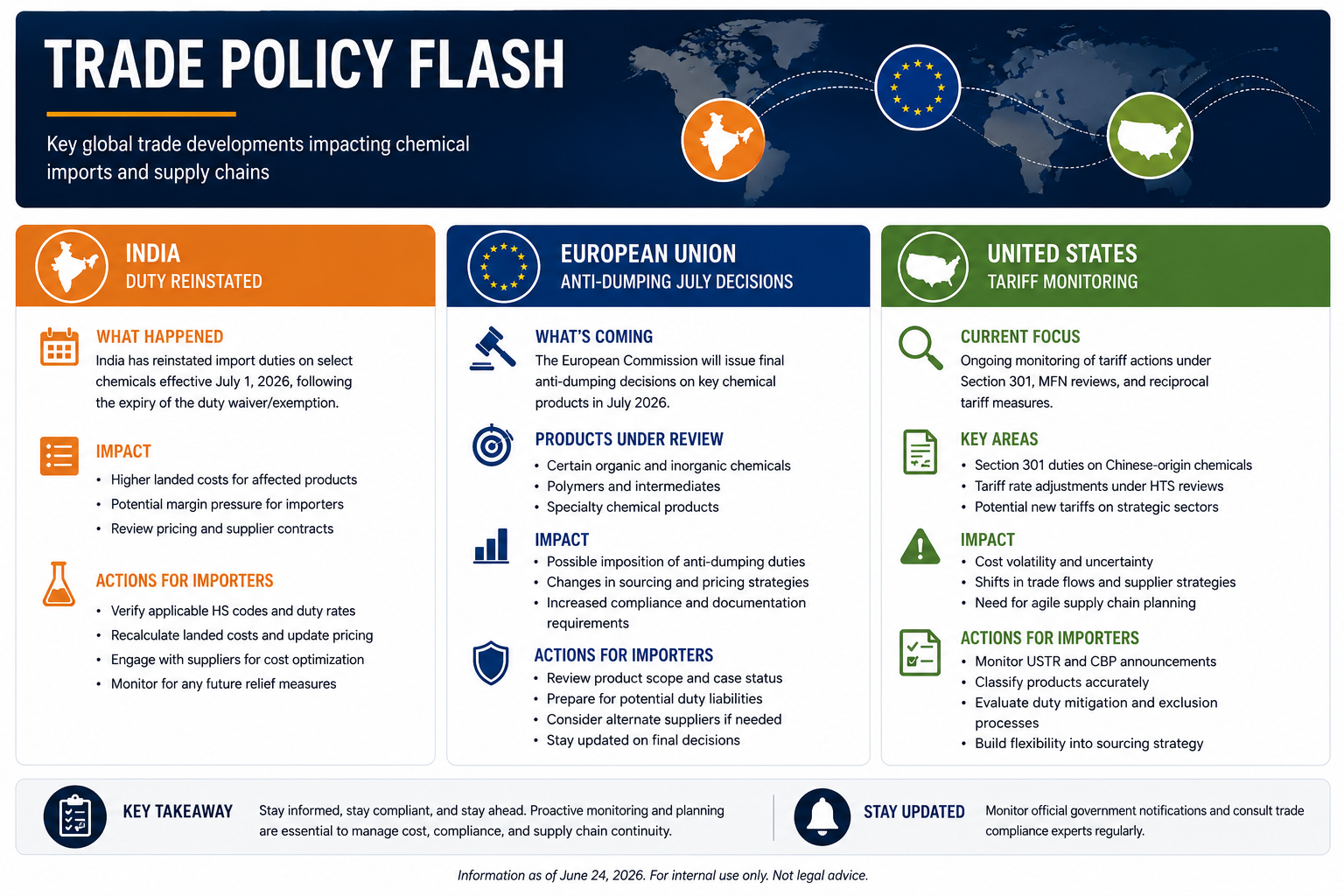
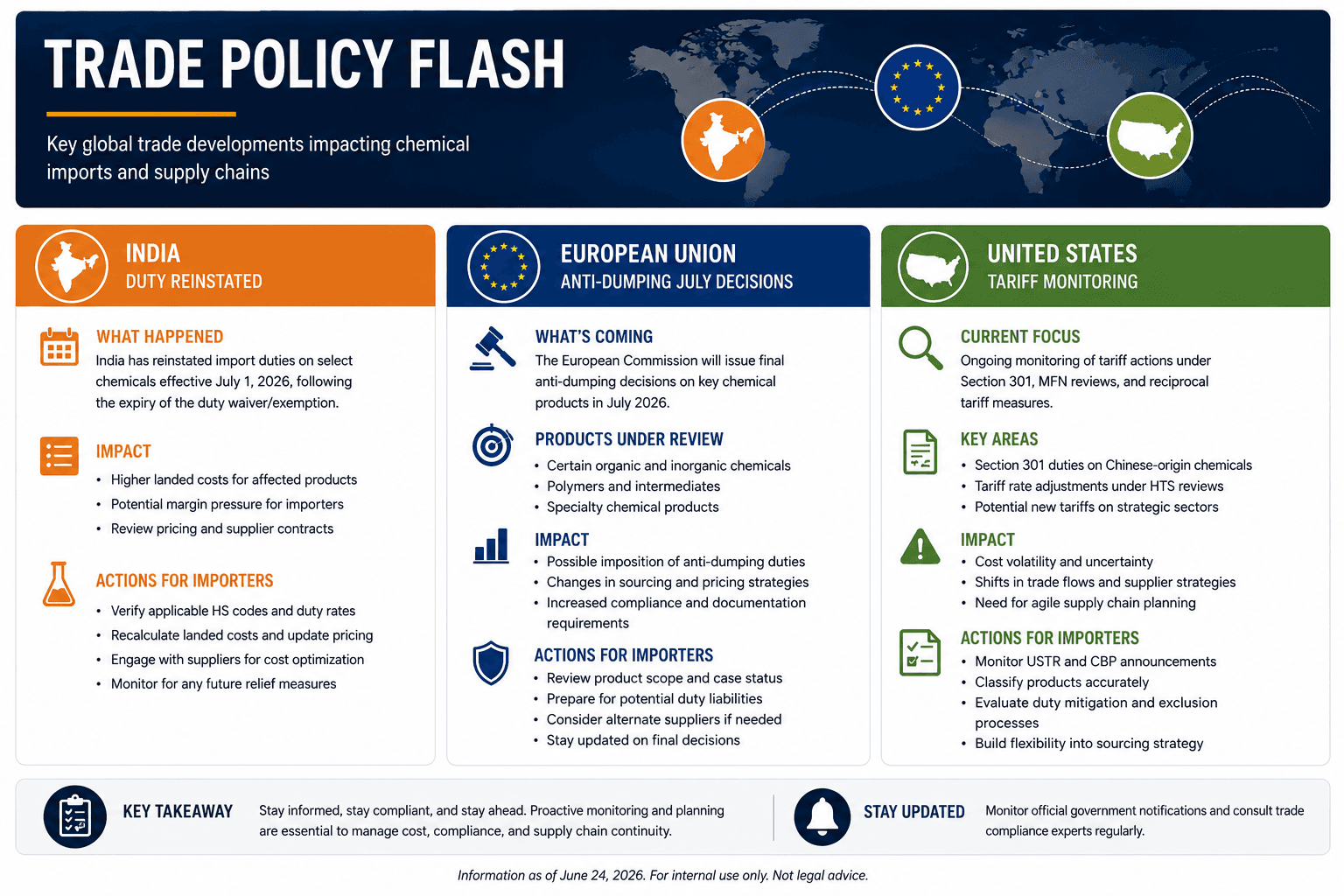
H1 2026 closes with simultaneous trade policy changes across India, the EU and the US. Chemical procurement teams face overlapping tariff, anti-dumping and regulatory fee developments that require structured multi-jurisdiction tracking.

Doha Talks Today has become a key market signal for chemical buyers watching Gulf trade routes, energy flows and supply stability. This venue shift may influence procurement decisions as traders assess risks across major chemical exporting regions.

Pakistan's chemical market is gradually stabilizing as Gulf exports recover and freight costs improve. While landed prices for key chemicals are easing, buyers must continue managing foreign exchange constraints and secure payment structures during the July–September procurement window.
We're committed to your privacy. Tradeasia uses the information you provide to us to contact you about our relevant content, products, and services. For more information, check out our privacy policy.