Calcium Propionate (E282) CAS: 4075-81-4
Calcium Propionate (E282) CAS: 4075-81-4
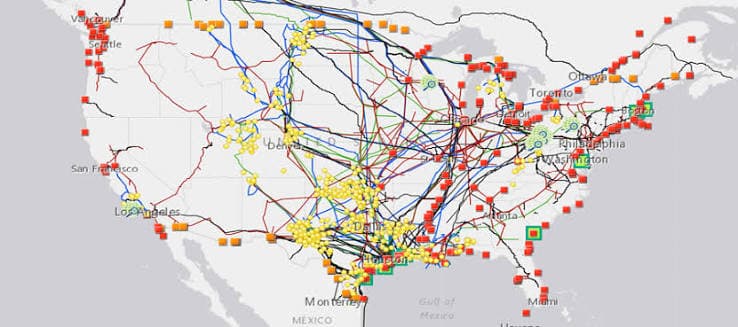
Choosing where to build a chemical plant has become significantly more complex than comparing feedstock costs alone. Modern investment decisions balance economics, logistics, regulation, infrastructure and geopolitical resilience. Understanding these factors helps procurement professionals anticipate where future global chemical capacity is most likely to be built.
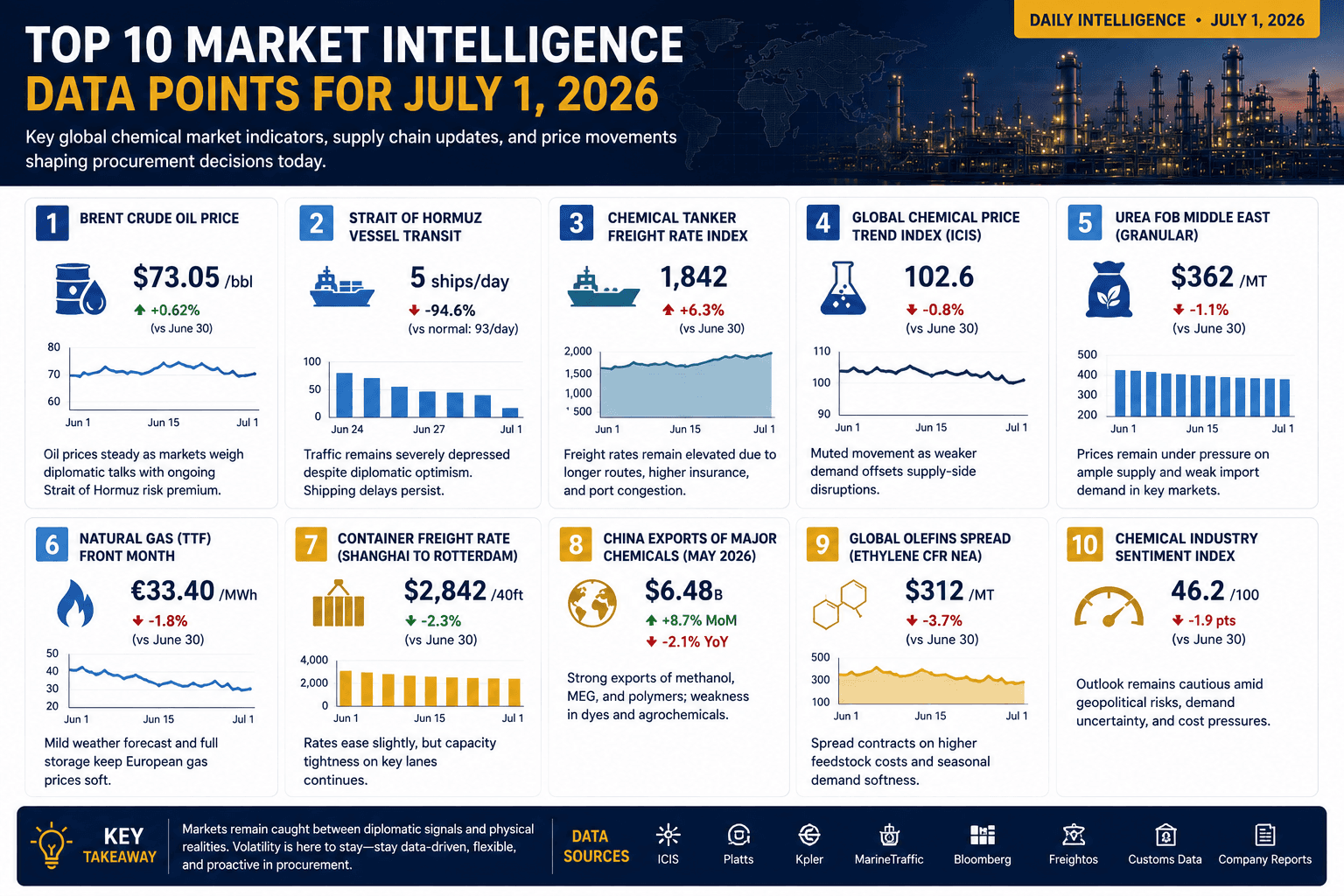
July 1 begins H2 2026 with conflicting market signals for chemical procurement professionals. While oil prices remain stable and diplomacy improves, shipping disruption, insurance risk, new regulations, and supply chain bottlenecks continue shaping one of the most complex operating environments the chemical industry has faced all year.

In early 2026 the global chemical market saw a dramatic price spike during the Hormuz crisis, only to reverse course by April even before shipping lanes fully reopened. This article dissects the panic‑driven surge, the factors that triggered the drop, and the procurement intelligence lessons that can help buyers mitigate volatility.

South Korea’s petrochemical sector is emerging from a wave of force majeure declarations as LG Chem, Lotte Chemical and Hanwha Solutions resume normal cracker operations. Naphtha and LPG supplies are stabilising, Brent crude is stabilising, and battery‑material chemicals such as NMP, PVDF and LiPF6 are seeing renewed demand. Global buyers must navigate contract renegotiations, delivery commitments and a tightening supply chain to secure competitive pricing and reliable logistics.
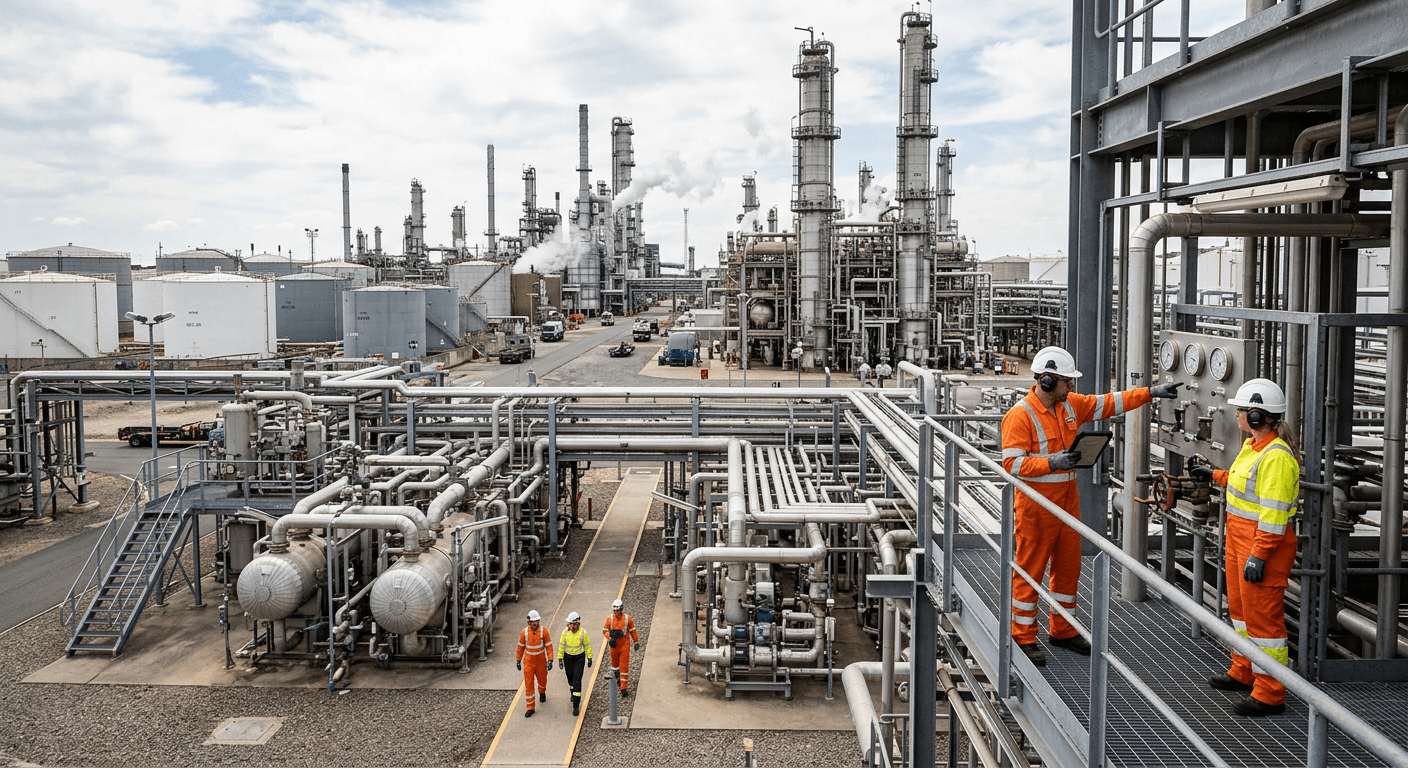
Chemical buyers are facing one of the most complex procurement environments of 2026 as energy prices fall, Gulf supply recovers and geopolitical risks remain elevated. This weekly briefing highlights the critical signals shaping commodity chemical sourcing decisions.
Brent crude has returned to pre-war levels, creating a new opportunity for food ingredient buyers to reduce landed costs. July freight adjustments give procurement teams a timely chance to renegotiate contracts across major sourcing regions including China, Southeast Asia and India.
We're committed to your privacy. Tradeasia uses the information you provide to us to contact you about our relevant content, products, and services. For more information, check out our privacy policy.