Calcium Chloride (E509) CAS: 10043-52-4
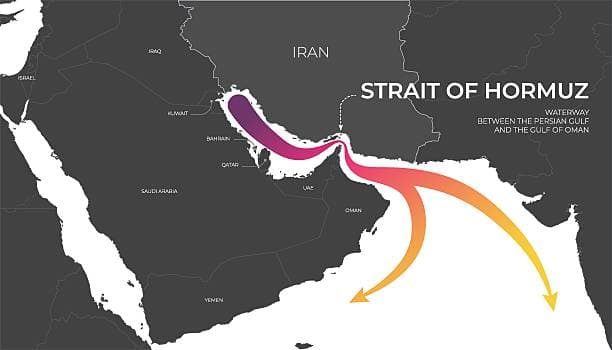
Simultaneous threats to the Hormuz and Bab el-Mandeb choke points could ripple through global shipping and chemical supply chains, demanding urgent resilience measures. This article examines the risks, impacts, and strategies to mitigate disruption.
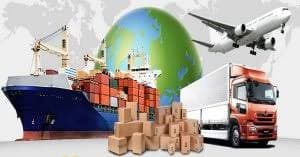
The widespread use of AIS-disabled "dark tankers" during the Hormuz crisis created new compliance and documentation challenges for global chemical supply chains. As escorted convoy operations expand, improved vessel traceability is becoming an important commercial advantage for buyers operating under strict regulatory and quality requirements.
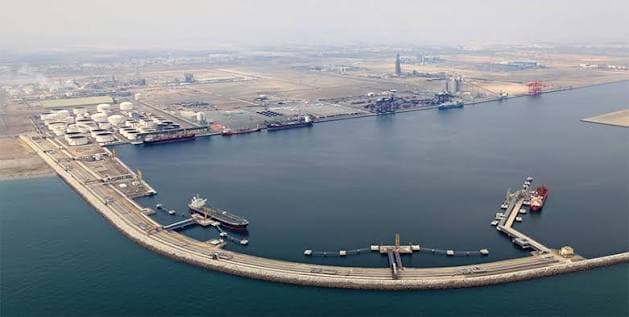
Port of Sohar enters a critical operational phase as recovering Gulf shipping collides with stranded-vessel backlog clearance. While regional logistics continue improving, berth congestion at Oman's primary chemical hub may become the next bottleneck affecting Gulf chemical supply chains.
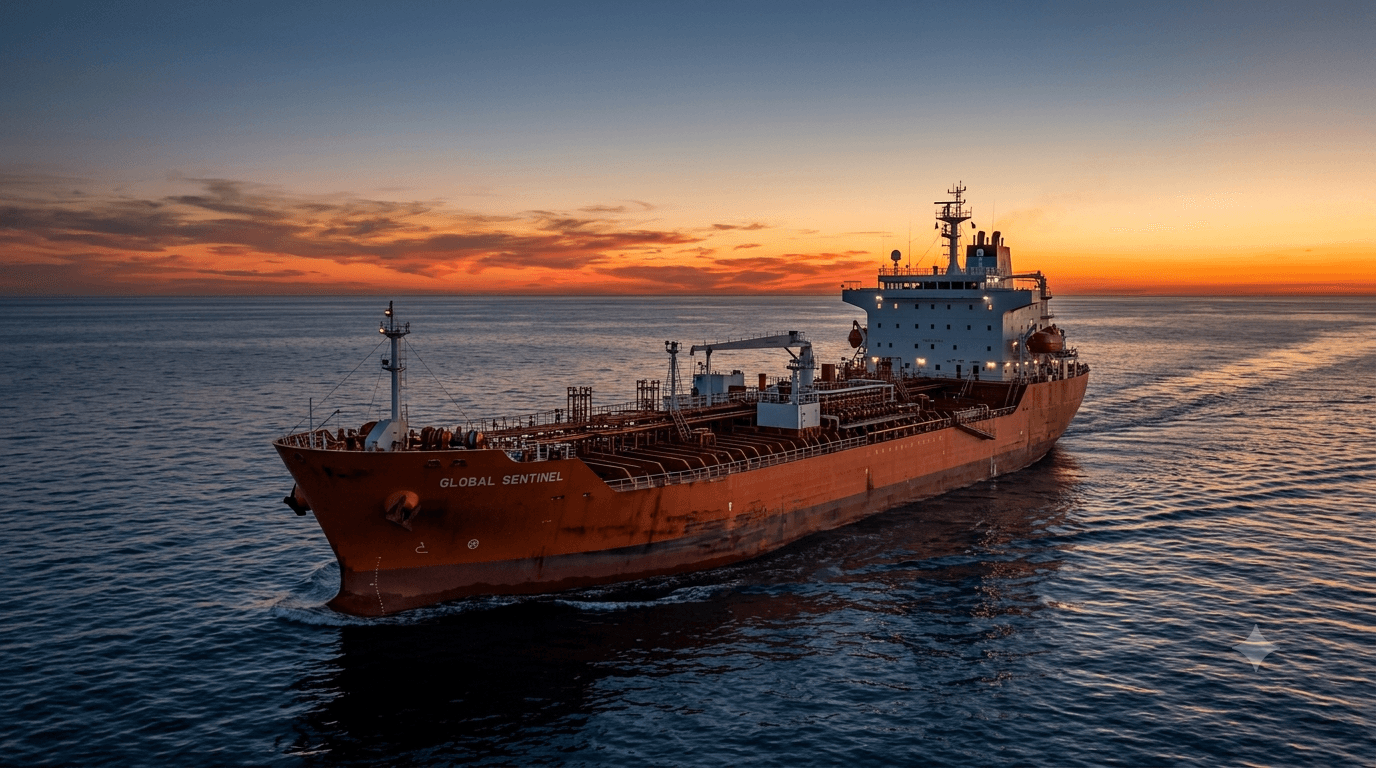
War risk insurance has become one of the biggest cost drivers for Gulf chemical shipments in H1 2026. This review explains why premiums remain elevated even as physical exports recover and what procurement teams should expect during H2 2026.
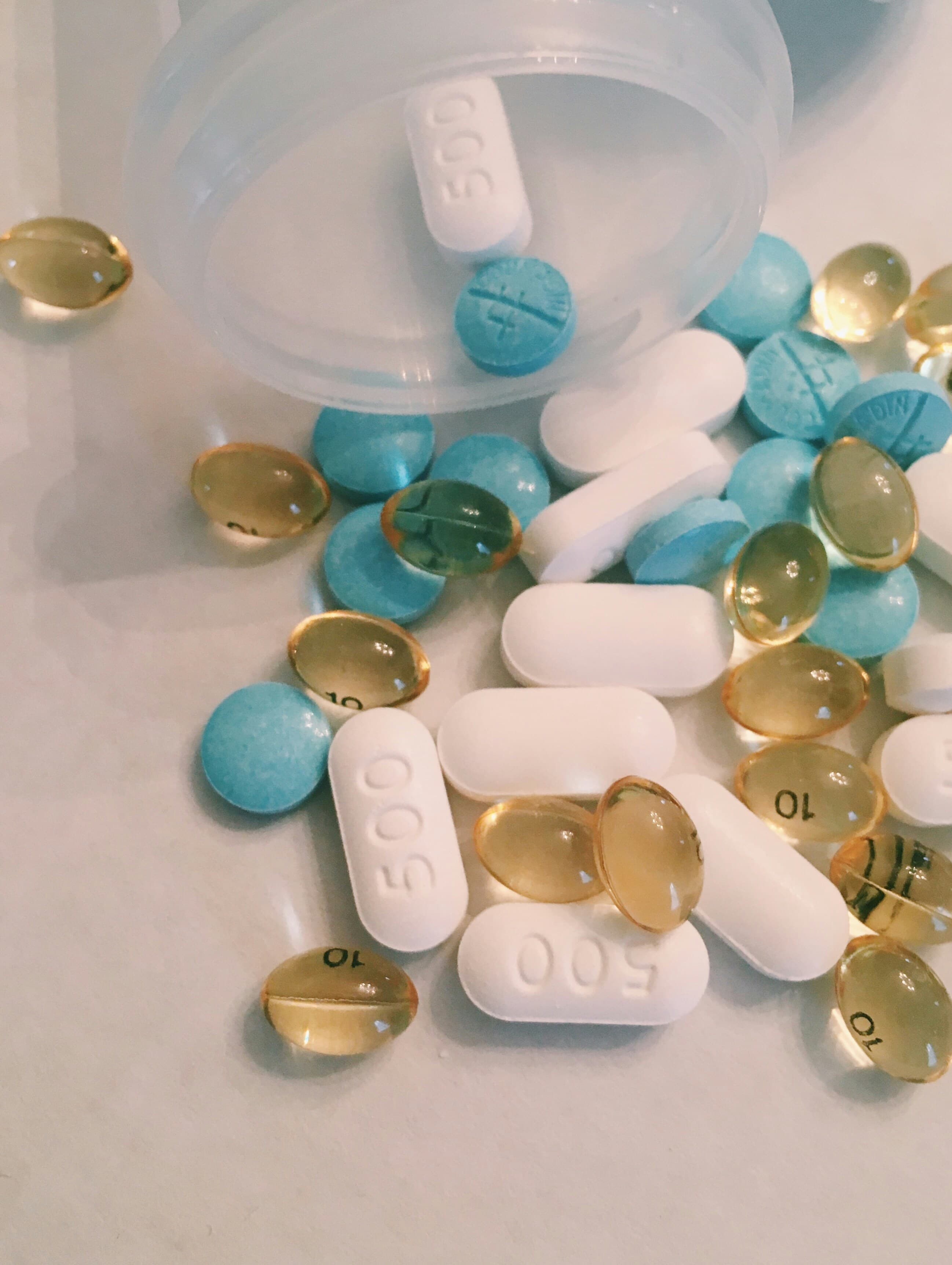
The first half of 2026 exposed major vulnerabilities in pharmaceutical supply chains. API concentration, shipping disruptions, and logistics risks are reshaping procurement strategies for H2 2026 and beyond.

The 2026 Hormuz crisis exposed structural weaknesses in global chemical supply chains. The lessons learned should now be translated into permanent procurement policies that strengthen resilience long after the crisis ends.
We're committed to your privacy. Tradeasia uses the information you provide to us to contact you about our relevant content, products, and services. For more information, check out our privacy policy.