Potassium Sorbate Food Grade (E202) CAS: 24634-61-5
Potassium Sorbate Food Grade (E202) CAS: 24634-61-5

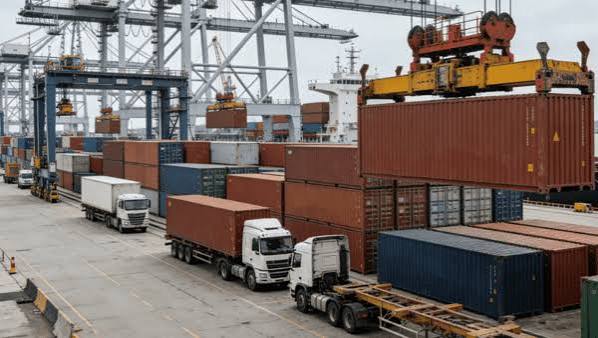
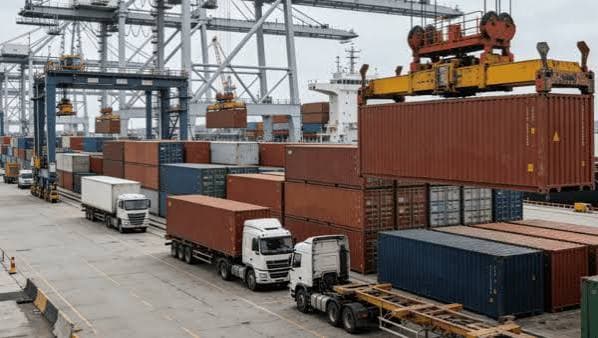
The collapse of the June 17 ceasefire and the resumption of tanker attacks have renewed attention on war-risk insurance pricing for global shipping. Chemical procurement teams should evaluate freight costs, insurance exposure and logistics contingency plans.

In a surprising shift, President Trump has announced the removal of a proposed 20% toll on ships transiting the Strait of Hormuz. The decision offers temporary relief to shipping companies but is set against a backdrop of heightened geopolitical tensions. Maritime analysts examine how this change could reshape freight costs and chemical logistics for the next quarter.

Renewed geopolitical tensions threaten to elevate freight rates once again, putting pressure on chemical shipping, fertilizer logistics, and procurement budgets. This article explains the drivers, the sectors most exposed, and strategies to mitigate the impact.
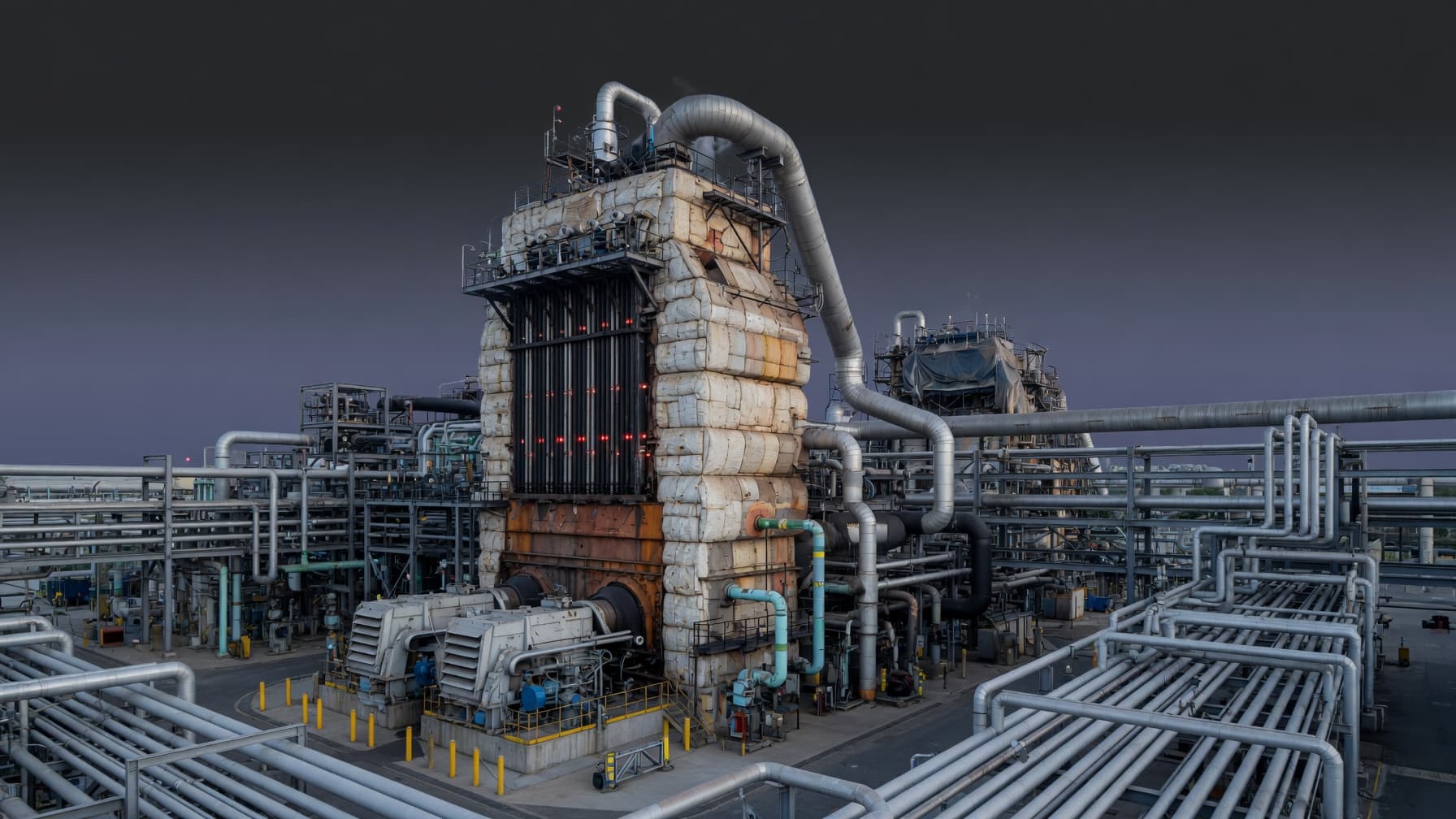
South Korea's planned petrochemical restructuring is expected to close smaller stand-alone naphtha crackers, signalling a broader wave of capacity consolidation across Asia. Procurement teams should assess how fewer production assets may influence polymer supply, feedstock pricing and regional sourcing strategies.
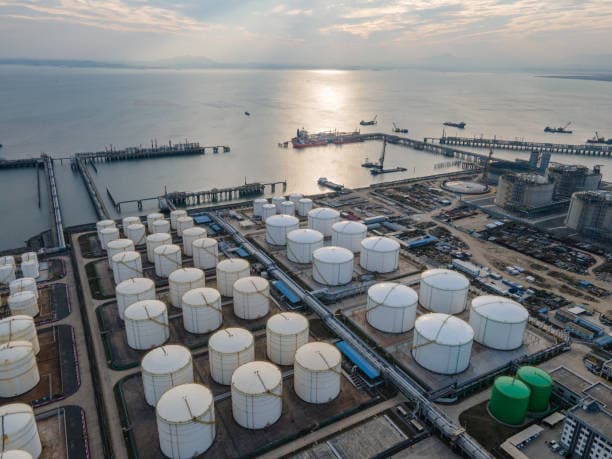
While EU chemical output is declining, France’s industry is expanding, reshaping transport demand and procurement strategies. This article examines the implications for road tanker use, rail freight, and supply‑chain planning across the continent.
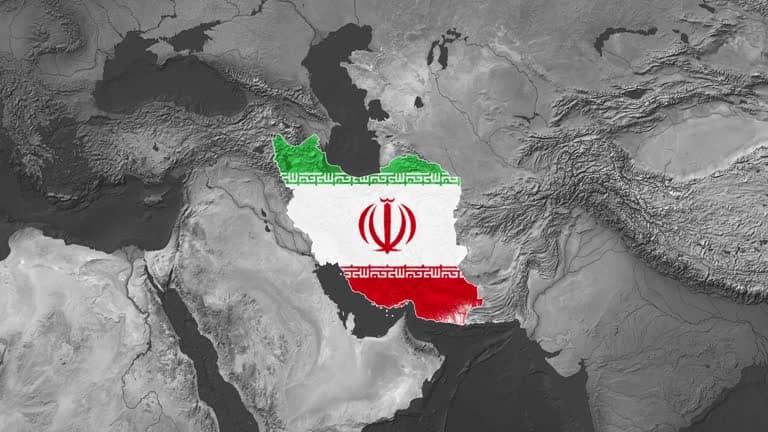
Iran’s proposed Hormuz transit fees could add $500–750 million annually to global chemical trade costs, creating a permanent landed‑cost increase for Gulf‑origin chemicals. This article analyzes the fee structure, its impact on petrochemical freight risk, and strategies for 2026 chemical procurement.
We're committed to your privacy. Tradeasia uses the information you provide to us to contact you about our relevant content, products, and services. For more information, check out our privacy policy.