
Related Insights

Japan's Agrochemical Pivot Toward India: Following the Solar Materials Playbook
As Japanese chemical makers redirect investment from China to India across sectors like solar materials, agrochemical suppliers are watching whether a similar shift plays out in crop protection. For procurement teams managing fungicide, herbicide and insecticide portfolios, understanding whether this geographic pivot extends to agricultural chemicals matters for supply chain planning and sourcing strategy.
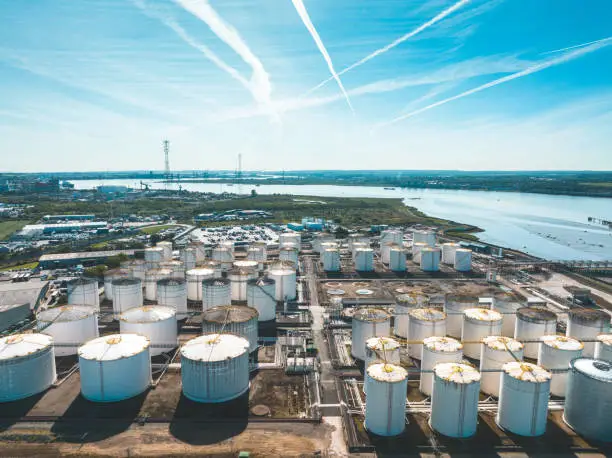
Polypropylene in England: What the LyondellBasell-to-Velogy Transfer Means for UK Buyers
LyondellBasell's sale to Aequita/Velogy includes a polypropylene plant in England. Combined with the UK
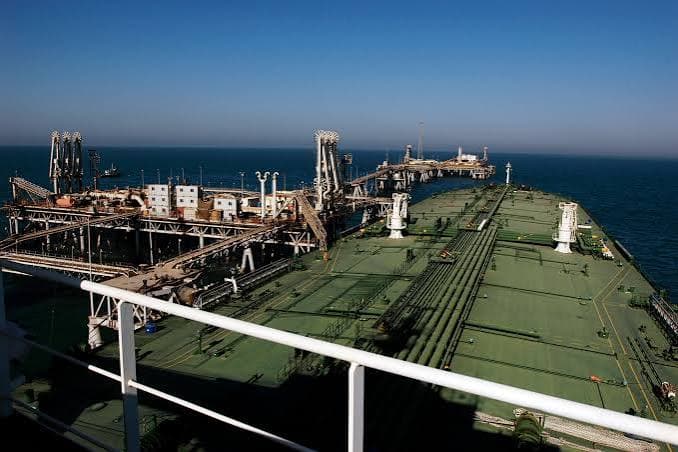
Iran’s “Service Fees”: What Toll-Based Passage Would Cost the Chemical Industry Annually
Iran’s proposal to charge “service fees” for Hormuz passage could permanently reshape the economics of global chemical trade. If transit charges become permanent, Gulf-origin chemical supply chains may face $500 million to $1.5 billion in additional annual costs that buyers will ultimately absorb through higher contract pricing.

PFAS EPA Hearings One Week Away: Commercial Stakes for Specialty Chemical Formulators
The upcoming EPA PFAS hearings could reshape sourcing decisions for specialty chemical formulators across the United States. Procurement teams should prepare for changing compliance requirements, evolving customer expectations and a more complex regulatory landscape.
MEG After India's Duty Reinstatement: Understanding the New Landed Cost Arithmetic for Polyester Buyers
India's reinstatement of the 5% Basic Customs Duty on MEG imports changes the cost equation for polyester manufacturers and chemical buyers. This article explains the new landed cost arithmetic, why today's costs remain below April's market peak and what procurement teams should monitor in the months ahead.

VCI Q2 2026 Review Signals Deepening German Chemical Weakness
The upcoming VCI Q2 2026 report underscores a sharp decline in German chemical production, driven by soaring feedstock costs and weak domestic demand. Naphtha‑based downstream plants are hit hardest, while export disruptions to Asia and the Gulf further strain utilization rates. For buyers, the data offers critical insight into supplier stability and pricing dynamics across Europe.
Don't miss out on our updates! Subscribe to our newsletter now
We're committed to your privacy. Tradeasia uses the information you provide to us to contact you about our relevant content, products, and services. For more information, check out our privacy policy.