
Citrus Pulp CAS: 94266-47-4

When war‑risk insurance for vessels transiting the Strait of Hormuz surged to 10% of hull value, chemical shipping faced record freight rates and supply chain strain. This article examines the drivers, impacts, and strategic responses within Gulf maritime logistics.

China’s early 2025 export curbs are reshaping global fertilizer flows into 2026, forcing shippers to rethink routes, sourcing and inventory. The ripple effects touch every corner of the supply chain, from African farms to European ports.

Chinese steam crackers operating near maximum capacity can spread fixed costs across larger output volumes and export surplus petrochemicals into global markets. European crackers averaging around 75% utilization face a widening cost disadvantage that could reshape polymer pricing, regional production and procurement strategies

The sudden disruption in the Hormuz Strait has spotlighted the fragility of chemical supply chains. Companies now must rethink sourcing, diversify origins, and embed measurable resilience into ESG reports to regain investor trust. Learn how to turn crisis into ESG growth.

The gradual restart of Gulf sulfur exports is expected to improve global sulfur availability and ease sulfuric acid market tightness. Fertilizer, mining, and battery manufacturers should prepare for improving supply conditions during Q3 2026.
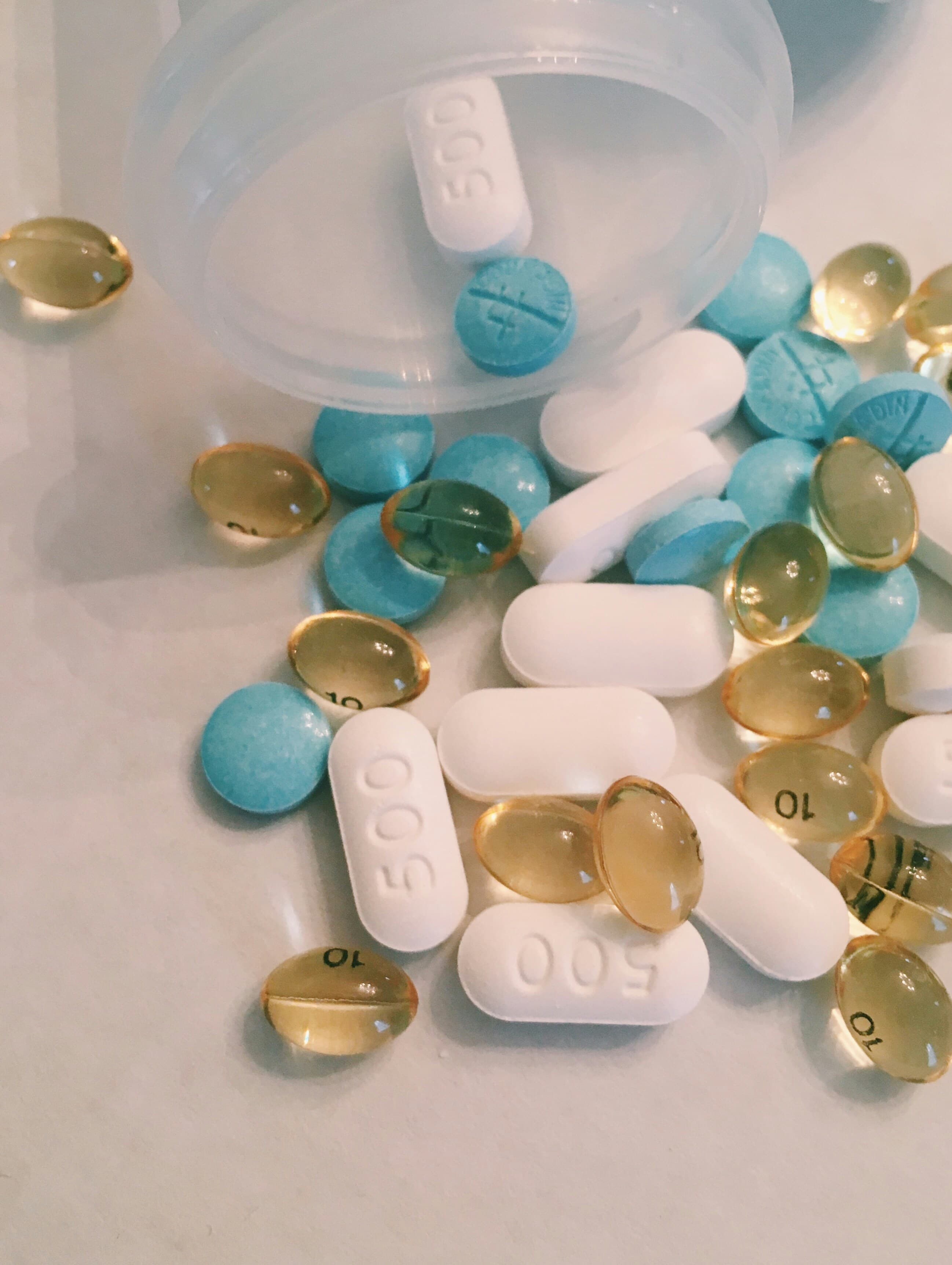
The first half of 2026 exposed major vulnerabilities in pharmaceutical supply chains. API concentration, shipping disruptions, and logistics risks are reshaping procurement strategies for H2 2026 and beyond.
We're committed to your privacy. Tradeasia uses the information you provide to us to contact you about our relevant content, products, and services. For more information, check out our privacy policy.