
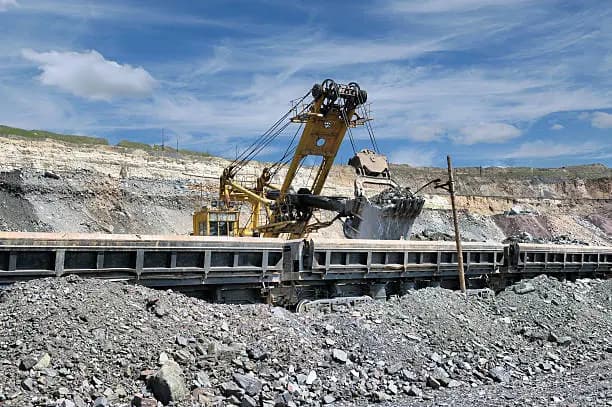

Hydrogen Cyanide (HCN) and Its Downstream Chain: MMA, Adiponitrile and Mining
Introduction
Hydrogen Cyanide (HCN) is one of the most strategically important intermediate chemicals in the global chemical industry. Although produced and consumed in relatively smaller volumes than many bulk petrochemicals, HCN serves as a critical building block for several high-value downstream products used in automotive, plastics, coatings, textiles, mining, and specialty chemical applications.
From the production of Methyl Methacrylate (MMA) and Nylon 6,6 intermediates to precious metal extraction in mining operations, Hydrogen Cyanide sits at the center of multiple industrial value chains. As global industries continue to invest in electric vehicles, advanced materials, infrastructure, and resource extraction, demand for key HCN derivatives remains closely linked to economic and industrial activity.
In 2026, understanding the Hydrogen Cyanide value chain is essential for chemical manufacturers, traders, procurement professionals, and downstream industries navigating increasingly complex supply networks.
What is Hydrogen Cyanide (HCN)?
Hydrogen Cyanide is a colorless chemical compound consisting of hydrogen, carbon, and nitrogen. It serves primarily as an industrial intermediate rather than an end-use product.
Commercial production typically occurs through processes involving:
Natural gas
Ammonia
Methane
Air or oxygen
Due to its highly reactive nature, HCN is generally consumed near production sites and converted rapidly into downstream chemicals.
The majority of global HCN production is directed toward a limited number of high-value derivative markets.
Why HCN Matters in the Chemical Industry
Hydrogen Cyanide is essential because it provides a pathway to manufacture several important industrial chemicals, including:
Adiponitrile
Methyl Methacrylate (MMA) intermediates
Sodium Cyanide
Chelating agents
Specialty chemicals
Agricultural intermediates
These derivatives support industries ranging from automotive manufacturing and construction to mining and consumer goods.
Adiponitrile: The Largest HCN Derivative
One of the most important applications for Hydrogen Cyanide is the production of adiponitrile.
What is Adiponitrile?
Adiponitrile serves as a key intermediate in the manufacture of Hexamethylenediamine (HMDA), which is subsequently used to produce Nylon 6,6.
Importance in Automotive Manufacturing
Nylon 6,6 remains a critical engineering polymer used in:
Automotive components
Electrical connectors
Under-the-hood applications
Industrial machinery
Consumer products
As vehicle manufacturers seek lightweight materials that improve fuel efficiency and EV performance, demand for Nylon 6,6 continues to support adiponitrile production.
Supply Chain Significance
Because adiponitrile production is concentrated among a limited number of global producers, any disruption in HCN availability can have significant downstream impacts on engineering plastics markets.
HCN and the MMA Value Chain
Hydrogen Cyanide also plays an important role in certain MMA production technologies.
MMA Overview
Methyl Methacrylate is the primary feedstock used to produce Polymethyl Methacrylate (PMMA), commonly known as acrylic.
PMMA is widely used in:
Automotive lighting
Electronic displays
Optical lenses
Architectural glazing
Medical devices
Signage applications
The Acetone Cyanohydrin (ACH) Route
Historically, one of the major MMA manufacturing methods has been the Acetone Cyanohydrin (ACH) process.
In this route:
Acetone reacts with Hydrogen Cyanide.
Acetone cyanohydrin is produced.
Subsequent processing generates MMA.
Although alternative MMA technologies have gained market share due to environmental and economic advantages, the ACH process remains relevant in several regions and continues to influence HCN demand.
Mining: One of the Most Visible Uses of Cyanide Chemistry
Perhaps the most publicly recognized use of cyanide chemistry is in the mining industry.
Gold and Silver Extraction
Hydrogen Cyanide is used to produce sodium cyanide, a critical reagent in precious metal recovery.
Mining operators use cyanide-based leaching processes to extract:
Gold
Silver
Precious metal concentrates
These methods remain among the most efficient technologies available for recovering valuable metals from ore deposits.
Growing Demand from Resource Development
The expansion of renewable energy systems, battery technologies, and infrastructure projects continues to support mining activity globally.
As demand for metals increases, consumption of sodium cyanide and related cyanide derivatives remains an important component of the HCN value chain.
Additional Downstream Applications
Beyond MMA and adiponitrile, Hydrogen Cyanide supports several specialty chemical markets.
Chelating Agents
HCN derivatives are used in the production of chelating compounds that support:
Water treatment
Detergents
Industrial cleaning
Agriculture
Specialty Intermediates
Various pharmaceutical, agricultural, and specialty chemical products rely on cyanide chemistry as part of their manufacturing processes.
Surface Treatment Chemicals
Certain metal processing and industrial treatment applications also utilize cyanide-derived compounds.
These diverse end uses contribute to stable baseline demand for HCN worldwide.
Supply Chain Dynamics in 2026
Several factors continue to influence global HCN markets.
Feedstock Availability
HCN production depends on reliable supplies of:
Natural gas
Methane
Ammonia
Fluctuations in energy prices can significantly affect production costs.
Concentrated Production Base
Global HCN manufacturing capacity is concentrated among a relatively small number of integrated chemical producers.
As a result, maintenance shutdowns or operational disruptions can quickly impact downstream markets.
Regulatory Oversight
Because of its hazardous nature, HCN production, transportation, storage, and consumption are subject to strict regulatory controls worldwide.
Compliance requirements remain a major factor in operational planning and investment decisions.
Regional Demand Growth
Asia-Pacific continues to account for a significant share of growth in MMA, engineering plastics, and mining activities, supporting increasing HCN consumption across the region.
Sustainability and Industry Innovation
The chemical industry is actively pursuing technologies that improve efficiency and reduce environmental impact throughout the HCN value chain.
Key initiatives include:
Process optimization
Energy efficiency improvements
Emission reduction technologies
Waste minimization strategies
Enhanced safety management systems
Many producers are investing in advanced manufacturing technologies that improve both sustainability performance and operational reliability.
Market Outlook for 2026
The outlook for Hydrogen Cyanide remains closely tied to the performance of its major downstream sectors.
Growth drivers include:
Expansion of electric vehicle manufacturing
Rising demand for engineering plastics
Increased consumption of MMA and PMMA products
Continued mining investment
Infrastructure development
Potential challenges include:
Feedstock price volatility
Environmental compliance costs
Capacity concentration risks
Global economic uncertainty
Despite these factors, long-term demand fundamentals for HCN derivatives remain positive.
Conclusion
Hydrogen Cyanide occupies a unique position within the global chemical industry. While rarely visible to end consumers, it serves as a crucial link in the production of engineering plastics, acrylic materials, mining chemicals, and numerous specialty products.
From enabling Nylon 6,6 production through adiponitrile to supporting MMA manufacturing and precious metal extraction, HCN continues to underpin critical industrial value chains. As automotive, infrastructure, electronics, and mining sectors evolve, Hydrogen Cyanide and its downstream derivatives will remain essential components of modern industrial development in 2026 and beyond.
Hydrogen Peroxide (50%) - Bangladesh CAS: 7722-84-1