
Clariant's Pivot to China: What It Means for Specialty Chemical Buyers in Europe
Introduction
The global specialty chemicals industry is undergoing a significant transformation as major chemical companies adjust their production, investment, and market strategies to align with changing economic realities. One of the most notable developments is Clariant's increasing focus on China, a move that reflects broader shifts in global manufacturing, supply chain dynamics, and customer demand patterns. For specialty chemical buyers across Europe, this strategic pivot carries important implications for pricing, supply security, innovation, and sourcing decisions.
Why Clariant Is Strengthening Its Presence in China
China has become the world's largest chemical market, accounting for a substantial share of global chemical consumption and production. Rapid industrialization, expanding manufacturing sectors, and growing demand for high-performance materials have made the country an attractive destination for chemical investments.
Clariant's decision to expand its operations and partnerships in China is driven by several factors:
Access to the world's fastest-growing specialty chemical market.
Proximity to major manufacturing customers.
Lower production and operational costs.
Strong government support for industrial development.
Improved supply chain integration within Asia-Pacific markets.
By positioning production and research facilities closer to customers, Clariant aims to improve responsiveness, reduce logistics costs, and strengthen its competitive position in key growth sectors.
Impact on European Specialty Chemical Buyers
1. Potential Changes in Supply Chain Dynamics
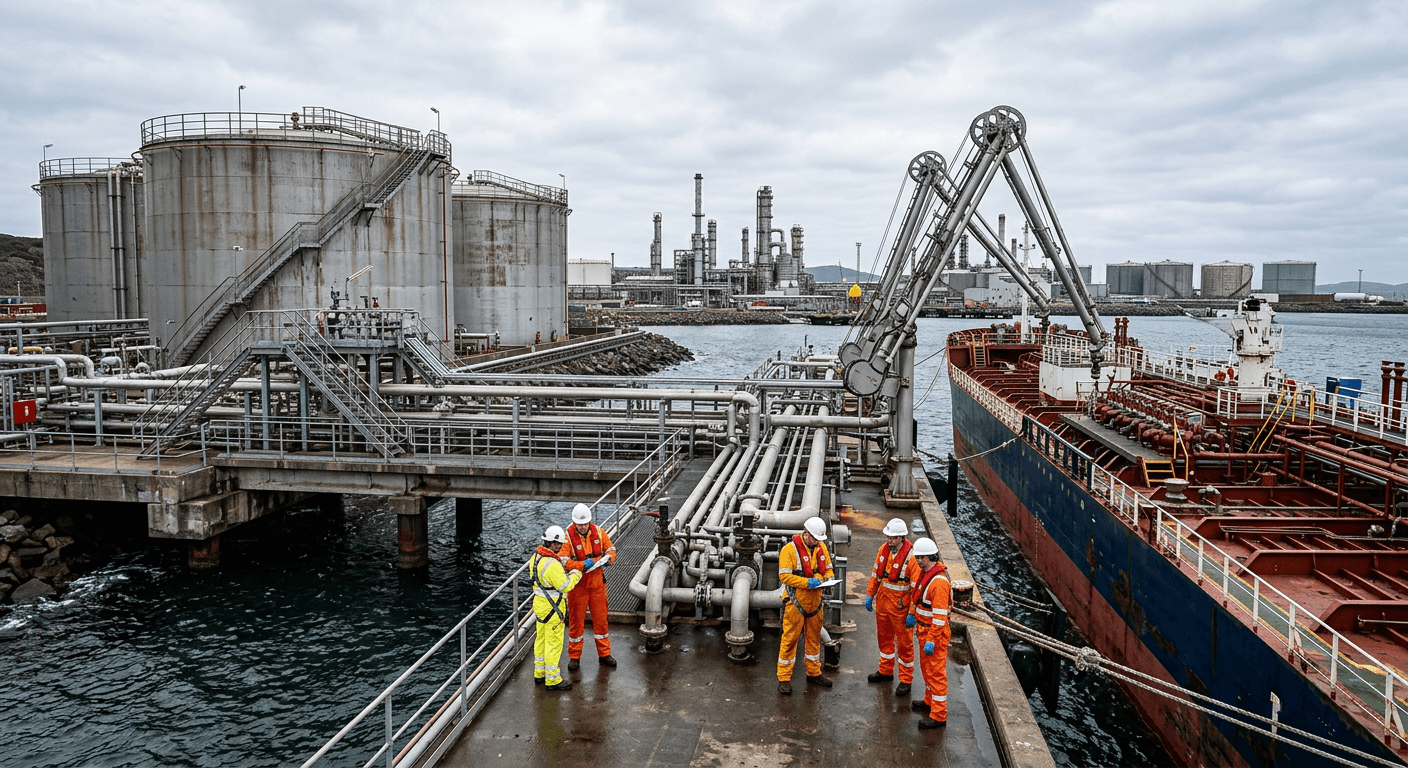
As production capacity shifts toward China, European buyers may experience longer supply chains for certain specialty chemical products. This could increase dependence on international shipping routes and expose procurement teams to geopolitical, trade, and logistics-related disruptions.
Organizations relying heavily on Clariant products may need to reassess inventory strategies and supplier diversification plans to maintain supply continuity.
2. Pricing Opportunities and Challenges
Manufacturing in China can offer cost advantages due to economies of scale and integrated industrial ecosystems. These efficiencies may help reduce production costs for some specialty chemicals.
However, buyers should also consider potential cost pressures arising from:
Shipping and freight fluctuations.
Currency exchange rate movements.
Trade tariffs and regulatory compliance costs.
Carbon-related import charges in European markets.
As a result, the final pricing impact may vary significantly across product categories.
3. Increased Innovation and Product Development
China is no longer viewed solely as a manufacturing hub. It has become a major center for research, innovation, and advanced material development. Clariant's investment in Chinese R&D capabilities could accelerate the development of new specialty chemical solutions for industries such as automotive, electronics, coatings, personal care, and renewable energy.
European buyers may benefit from faster access to innovative products and technologies emerging from these research initiatives.
4. Sustainability and Regulatory Considerations
European customers continue to face stringent sustainability requirements, including ESG reporting obligations, carbon reduction targets, and compliance with regulations such as REACH and the EU Carbon Border Adjustment Mechanism (CBAM).
As sourcing increasingly involves Asian production facilities, procurement teams must ensure that suppliers maintain transparency regarding:
Carbon footprints.
Environmental performance.
Product traceability.
Regulatory compliance documentation.
Buyers may need enhanced supplier auditing and verification processes to meet evolving regulatory expectations.
5. Supply Security and Risk Management
Recent global events have highlighted the importance of resilient supply chains. While Clariant's Chinese expansion may improve manufacturing efficiency, European buyers should evaluate concentration risks associated with sourcing from a single region.
Best practices include:
Developing multi-supplier sourcing strategies.
Maintaining strategic inventory buffers.
Monitoring geopolitical developments.
Conducting regular supplier risk assessments.
A proactive risk management approach can help organizations mitigate disruptions while benefiting from global sourcing opportunities.
Strategic Considerations for Procurement Teams
European specialty chemical buyers should view Clariant's China strategy as both an opportunity and a challenge. Procurement leaders should focus on:
Diversifying sourcing networks.
Strengthening supplier collaboration.
Evaluating total landed costs rather than purchase price alone.
Tracking sustainability performance metrics.
Enhancing supply chain visibility through digital tools and analytics.
Companies that adapt their procurement strategies early will be better positioned to manage market volatility and capitalize on emerging growth opportunities.
Looking Ahead
Clariant's pivot toward China reflects a broader trend within the global chemical industry, where production and innovation increasingly follow demand growth. While this shift may reshape supply chains for European buyers, it also presents opportunities for cost optimization, product innovation, and market competitiveness.
For procurement professionals, success will depend on balancing the benefits of global sourcing with the need for supply resilience, regulatory compliance, and sustainability. Organizations that develop flexible and data-driven procurement strategies will be best equipped to navigate the evolving specialty chemicals landscape in the years ahead.
Aluminium Sulfate CAS: 7784-31-8