


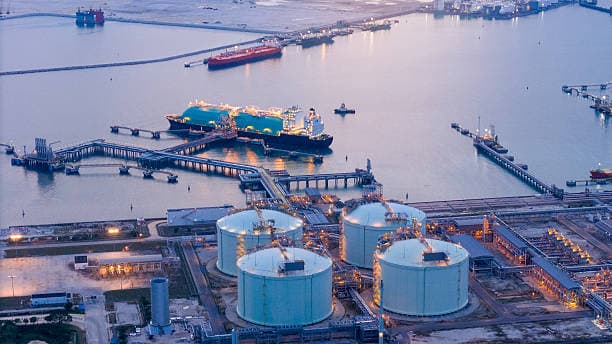
The recent persistence of DAP price strength underscores a tightening phosphate supply chain, heightened global fertilizer demand, and growing procurement risks for agriculture stakeholders. As phosphate trade remains constrained, buyers must reassess sourcing strategies amid volatile market conditions.
The rise of covert dark fleet operations is reshaping risk assessment for Gulf shipping. Marine insurers face new challenges in pricing tanker and chemical cargoes amid sanctions and security threats. Learn how regulators and logistics firms adapt.

ECHA's upcoming SVHC candidate list update could introduce new compliance obligations for pharmaceutical excipient supply chains. Procurement and regulatory teams should prepare monitoring procedures to identify affected substances as soon as new candidate entries are published.
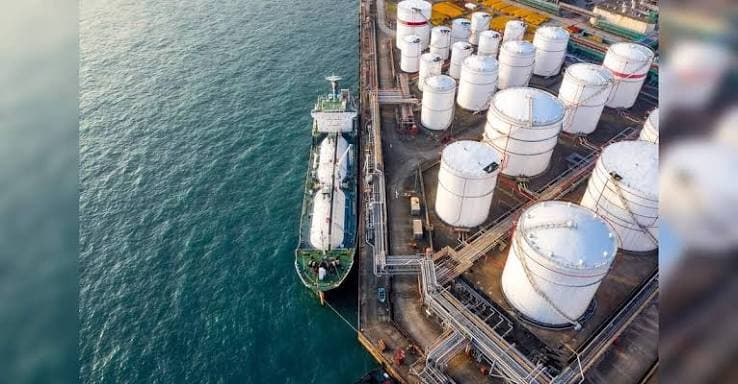
Japan's chemical industry enters H2 2026 after overcoming its most severe naphtha supply disruption in decades. The country's rapid diversification of feedstock sourcing may prove to be the most important long-term outcome of the Hormuz crisis, reshaping procurement strategies well beyond the recovery period.

Venator Materials’ looming debt restructuring could reduce European TiO2 output, tightening supply for coatings, plastics, and paper. With Gulf feedstock constraints and high shipping costs, the industry faces higher lead times and costs. Buyers must now assess supplier stability as a core procurement factor.

Chemical buyers are facing one of the most complex procurement environments of 2026 as energy prices fall, Gulf supply recovers and geopolitical risks remain elevated. This weekly briefing highlights the critical signals shaping commodity chemical sourcing decisions.
We're committed to your privacy. Tradeasia uses the information you provide to us to contact you about our relevant content, products, and services. For more information, check out our privacy policy.