
Related Insights

Hormuz War‑Risk Premiums Hit 10% of Hull Value: Chemical Shipping Toll
When war‑risk insurance for vessels transiting the Strait of Hormuz surged to 10% of hull value, chemical shipping faced record freight rates and supply chain strain. This article examines the drivers, impacts, and strategic responses within Gulf maritime logistics.
Hormuz Strait Traffic Drops to Single Digits Again
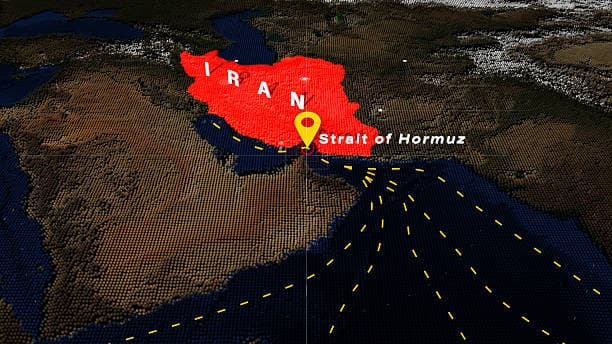
Vessel traffic through the Strait of Hormuz has fallen to single digits, a stark return to the lows seen in 2020. This sharp decline threatens chemical exports, fertilizer logistics, and global shipping schedules. Supply chains must adapt to the new reality of limited tanker movements and heightened uncertainty.

Helium and Fertilizer Caught in the Crossfire: Supply Chain Risks Beyond Energy Markets
Geopolitical tensions are disrupting more than oil and gas markets. Helium and fertilizer supply chains are also under pressure, making procurement planning increasingly important for manufacturers, distributors and agricultural suppliers.

Electronic Chemicals and the Semiconductor Supply Chain: Congress Tightens Focus on Critical Minerals
Electronic chemicals and specialty gases are now seen as defense‑critical, as a July 2026 CRS report highlighted the risk of Hormuz disruptions to sulfur and rare‑gas supplies. Congress is moving to classify these materials, unlocking federal incentives and reserve mechanisms. Procurement managers must map their portfolios to align with the new security‑of‑supply framework.

Heparin Q3 Supply Intelligence: Porcine Season, Freight Cost Trends & Procurement Priorities
China’s summer porcine processing season is maintaining a healthy heparin supply, while freight costs are easing. Hospital pharmacies and procurement teams can now focus Q3 planning on logistics, documentation, and future supply trends. This guide outlines key priorities for a secure and cost‑effective heparin supply chain.
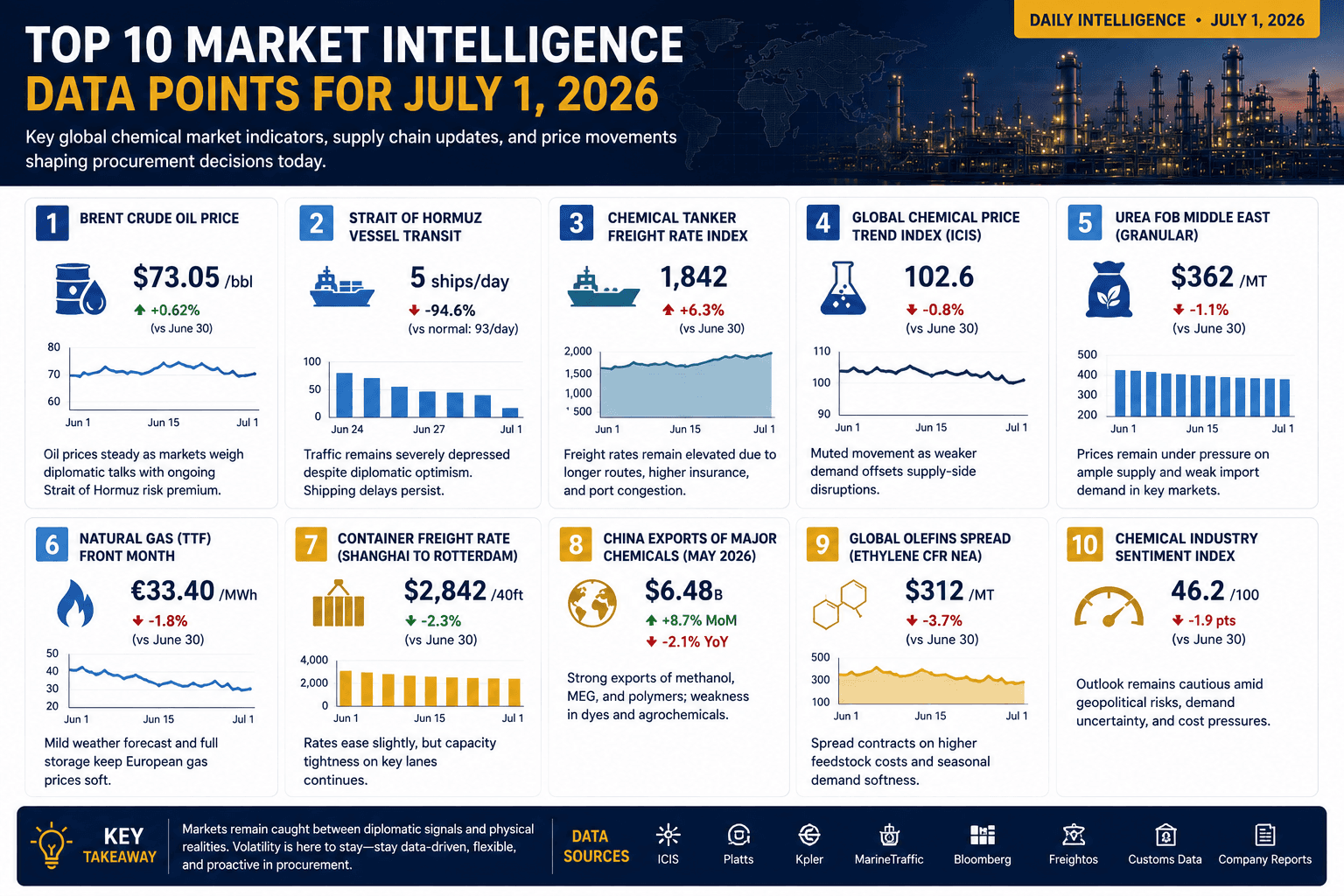
Top 10 Market Intelligence Data Points for July 1, 2026
July 1 begins H2 2026 with conflicting market signals for chemical procurement professionals. While oil prices remain stable and diplomacy improves, shipping disruption, insurance risk, new regulations, and supply chain bottlenecks continue shaping one of the most complex operating environments the chemical industry has faced all year.
Don't miss out on our updates! Subscribe to our newsletter now
We're committed to your privacy. Tradeasia uses the information you provide to us to contact you about our relevant content, products, and services. For more information, check out our privacy policy.