Nickel sulfate has emerged as a linchpin in the global push to re‑engineer battery supply chains outside China. As governments and automakers accelerate the transition to electric vehicles, the demand for high‑purity nickel sulfate—used in the production of NMC and NCA cathodes—has surged. This post examines the market landscape, price drivers, and strategic moves that are reshaping nickel sulfate sourcing for battery manufacturers worldwide.
What Is Nickel Sulfate and Why It Matters
Nickel sulfate (NiSO₄) is a white crystalline salt, soluble in water, that serves as a precursor in the synthesis of lithium‑nickel‑cobalt‑manganese (NMC) and lithium‑nickel‑cobalt‑aluminum (NCA) cathodes. These cathodes dominate the high‑energy‑density battery market for electric vehicles and grid storage. The purity and particle size of nickel sulfate directly influence cathode performance, impacting battery lifespan and safety.
Global Market Size and Demand in 2026
By 2026, the nickel sulfate market is projected to exceed $2.8 billion in value, driven by a 15 % CAGR in battery production. Global EV sales are expected to hit 30 million units, generating a 25 % rise in cathode material demand. Meanwhile, renewable energy storage projects add a further 8 % growth in nickel‑based battery consumption.
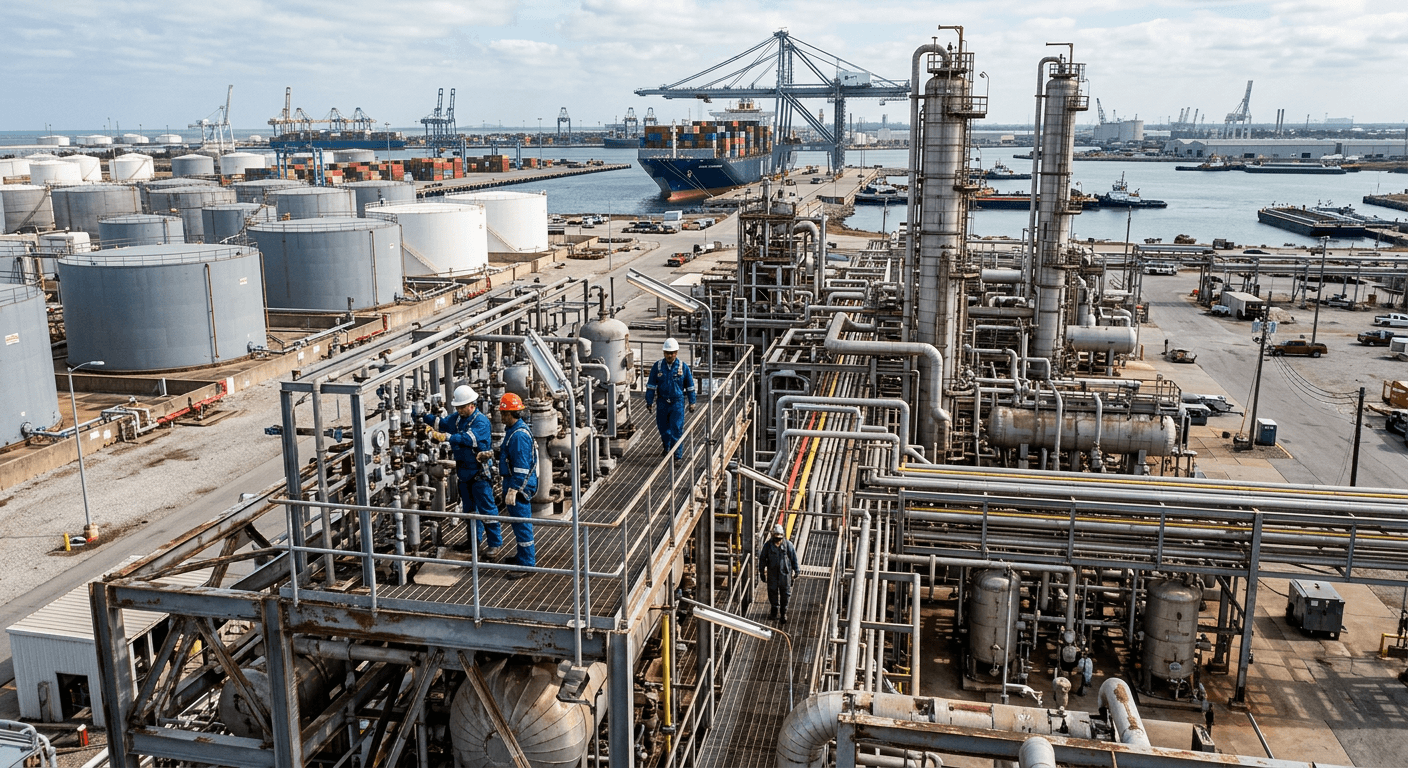
Regional hotspots include Europe, where the EU’s Critical Raw Materials Regulation pushes for supply chain resilience, and North America, where the Inflation Reduction Act incentivizes domestic battery manufacturing. Both regions are investing heavily in nickel processing infrastructure, including high‑pressure acid leaching (HPAL) plants.

Key Price Drivers and Market Forces Right Now
1. Supply Concentration – China controls 70 % of global nickel sulfate production, creating a vulnerability that buyers seek to mitigate.
2. HPAL Technology Expansion – New HPAL facilities in Indonesia and Brazil can increase supply by 12 % annually, lowering prices if capacity is fully utilized.
3. Regulatory Incentives – The Inflation Reduction Act offers tax credits for U.S. battery production, spurring domestic demand for nickel sulfate.
4. Raw Material Quality – Higher purity grades command premium pricing; buyers willing to pay extra for grade A nickel sulfate can secure better long‑term contracts.
Top Producing or Exporting Countries
• China – 4.2 million tonnes, 70 % share.
• Indonesia – 1.1 million tonnes, rapid HPAL deployment.
• Russia – 0.6 million tonnes, strategic reserve.
• Canada – 0.4 million tonnes, niche high‑purity segment.

Applications and Who Buys This
Primary buyers:
- Battery cell manufacturers (CATL, LG Chem, Samsung SDI).
- EV OEMs (Tesla, Volkswagen, Hyundai).
- Grid storage integrators.
- Research labs developing next‑generation cathodes.
Secondary users include chemical companies producing specialty nickel compounds for electronics and catalysis.
Risks, Challenges or Regulatory Issues
1. Geopolitical Tensions – U.S.–China trade disputes could impose tariffs on nickel sulfate imports, increasing costs.
2. Environmental Compliance – HPAL processes emit sulfuric acid and CO₂; regulators in the EU and U.S. are tightening emission limits.
3. Supply Chain Disruptions – Natural disasters or labor strikes in key production regions can halt output, causing price spikes.

Outlook for 2027 and Beyond
By 2027, the nickel sulfate market is expected to grow to $3.5 billion, with a shift toward diversified sourcing. Indonesia’s HPAL capacity is projected to reach 2 million tonnes annually, while Brazil and Canada will add 0.5 million tonnes each. The EU’s critical raw material strategy will likely accelerate domestic production, reducing reliance on Chinese imports.
Technological advances in solvent extraction and bio‑leaching may further reduce production costs, making nickel sulfate more affordable for emerging battery technologies such as solid‑state cells.
The Bottom Line for Procurement Teams
To stay competitive, procurement managers should:
- Secure long‑term supply contracts with diversified suppliers, prioritizing high‑purity grades.
- Monitor HPAL capacity developments in Indonesia and Brazil for pricing opportunities.
- Negotiate flexible delivery terms that account for geopolitical and environmental risks.
- Leverage regulatory incentives, such as the Inflation Reduction Act, to offset sourcing costs.
Looking to source nickel sulfate? Explore verified global suppliers on our platform.