Related Insights

Trump's Hormuz Toll Reversal: Why Rapid Policy Changes Matter for Chemical Compliance Teams
The withdrawal of the proposed 20% Hormuz cargo fee only days after it was announced highlights how quickly trade policy can change. Chemical procurement and compliance teams should document policy shifts and maintain flexible compliance processes to reduce operational risk.

Force Majeure Declarations Loom: What Chemical Procurement Teams Should Know About Contract Risk
Prolonged geopolitical disruption is increasing the likelihood of force majeure declarations across energy and chemical supply chains. Procurement and legal teams should review contracts, supplier obligations and contingency plans before disruptions escalate.

Japan's China Fatigue: Why Chemical Makers Are Redirecting Investment to India
Japanese chemical manufacturers are shifting investment away from China toward India after years of deepening engagement in Chinese markets. The pivot centers particularly on solar materials and reflects broader frustrations with operating conditions in China that procurement teams managing Asian supply chains must understand as sourcing patterns reshape across the region.

Jordan API Supply: Post-Crisis Recovery Assessment for Antibiotic Procurement Teams
Jordan's pharmaceutical API exports are showing signs of recovery as regional shipping conditions improve. Buyers dependent on antibiotic APIs should use July to verify logistics, rebuild inventories and secure Q3 supply agreements. This guide evaluates logistics recovery, procurement risks and outlines actionable Q3 sourcing strategies.
Drug Shortage Risk Monitoring: July 1 Refresh of the High-Risk API List
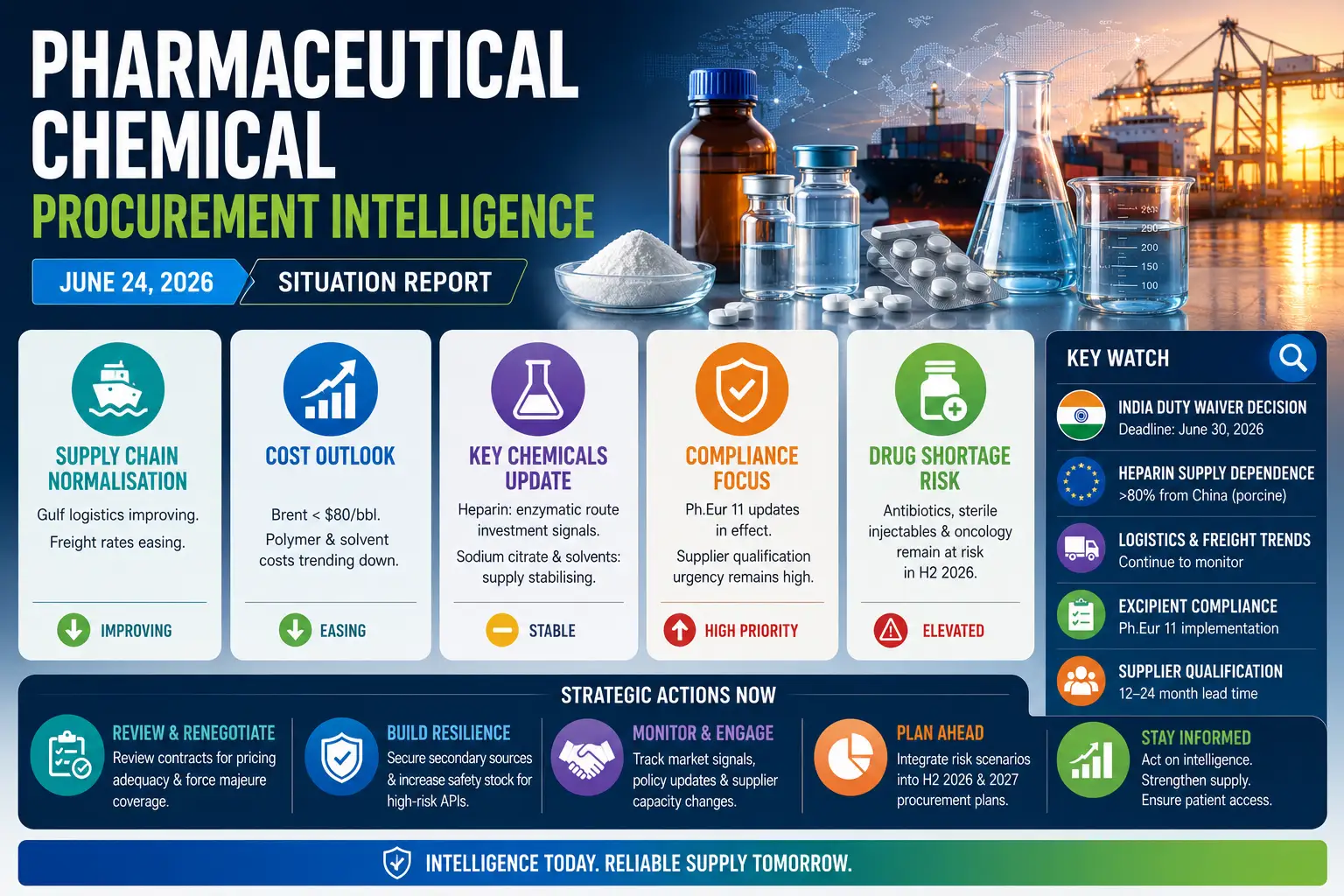
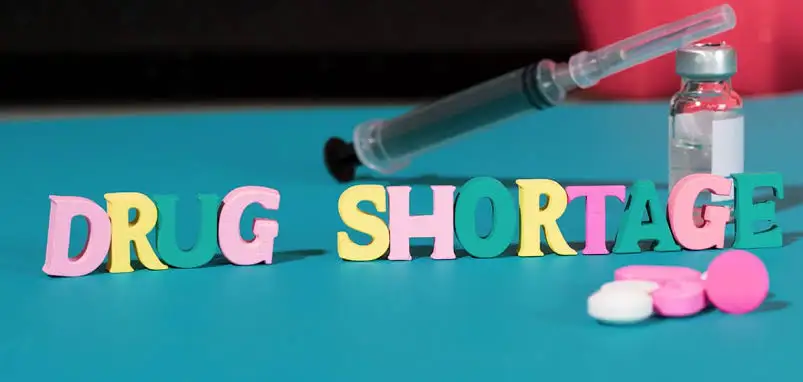
The July 1, 2026 pharmaceutical supply chain review highlights the latest drug shortage risks. While logistics for Indian and Chinese APIs continue improving, critical antibiotics, sterile injectables, and GLP-1 manufacturing inputs remain key procurement priorities.

Doha Talks Today: What US-Iran Negotiations Mean for Chemical Shipping Logistics and Global Procurement
Today's Doha talks could reshape chemical shipping logistics across the Gulf. With elevated maritime risk, delayed vessel movements and cautious carrier policies, procurement teams need to understand how today's diplomatic outcome could affect Q3 sourcing, freight costs and supply chain planning.
Don't miss out on our updates! Subscribe to our newsletter now
We're committed to your privacy. Tradeasia uses the information you provide to us to contact you about our relevant content, products, and services. For more information, check out our privacy policy.