Urea (Granular) - Egypt CAS: 57-13-6

H1 2026 reshaped global chemical trade as the Hormuz crisis disrupted supply routes, cut seaborne volumes by up to 20%, boosted Chinese and US exports, and permanently altered logistics patterns. H2 will determine which of these structural shifts become the new normal.

The Bürgenstock roadmap and recent Hormuz transit data signal a clear path for QAFCO and SABIC to resume ammonia exports in Q3 2026. While force majeure conditions may lift in July, mine clearance delays could postpone full tanker capacity until August. Agricultural and industrial buyers should prepare for an improved but staggered supply outlook.

Africa and the Middle East are entering a new phase of chemical trade. Morocco's phosphate leadership, GCC supply recovery, and East Africa's evolving logistics networks are reshaping procurement strategies for H2 2026.
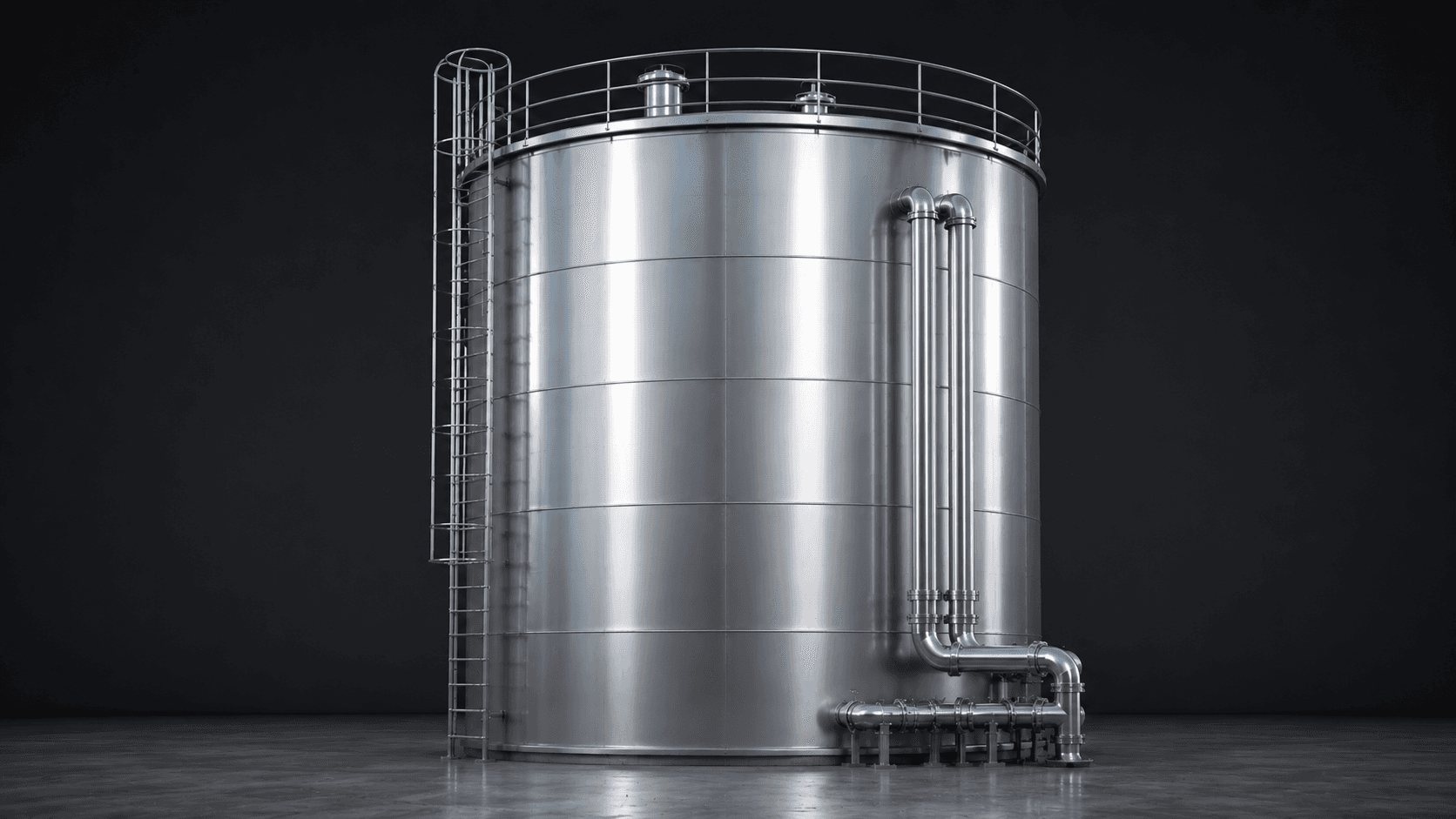
Styrene and ABS markets are entering a recovery phase as feedstock availability improves and global production gradually increases. Procurement teams should understand how supply, regional trade and geopolitical uncertainty will influence purchasing decisions through the second half of 2026.
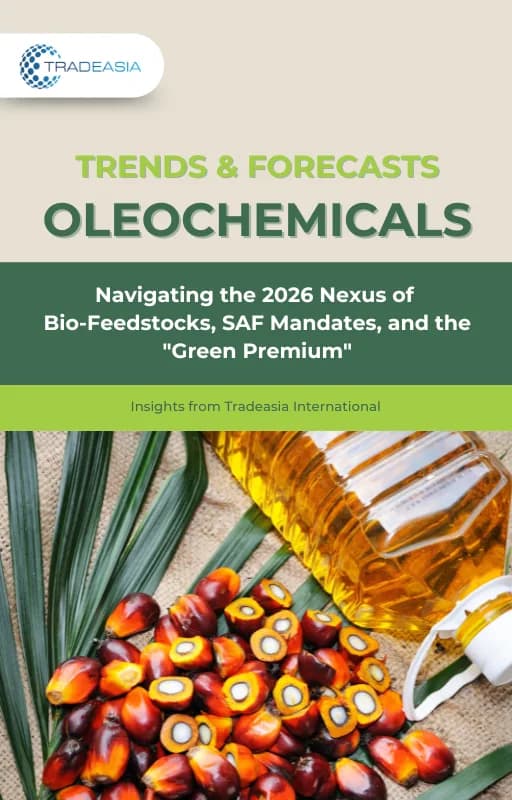
he global polystyrene market remains oversupplied, yet North American buyers face a changing supply picture after the closure of INEOS Styrolution's Channahon facility. This analysis examines leading polystyrene producers, trade flows, pricing pressures and what procurement teams should expect through 2027.

The 2026 sorbitol market is set for robust expansion, with the Asia Pacific region commanding 48% of global sales. Rising diabetic-friendly food demand, improved vitamin C supply chains, and leading producers in China and Indonesia are key drivers. This article dissects market dynamics, supply chain nuances, and future trends.
We're committed to your privacy. Tradeasia uses the information you provide to us to contact you about our relevant content, products, and services. For more information, check out our privacy policy.