Few countries occupy a more strategically complex position than Qatar as H2 2026 begins. The country is simultaneously hosting technical diplomatic discussions between the United States and Iran, rebuilding critical energy infrastructure, restoring fertilizer exports and managing multi-billion-dollar international investment commitments. Together, these responsibilities place Qatar at the centre of both regional diplomacy and global energy markets.
For procurement professionals, Qatar's commercial decisions may prove more informative than diplomatic headlines. The pace of export recovery, LNG contract reinstatements and fertilizer shipment schedules provide measurable indicators of confidence that directly influence international chemical supply chains.
Doha Continues Serving as the Region's Diplomatic Bridge
Qatar has long maintained a distinctive diplomatic position by preserving constructive relationships with multiple regional and international partners.
That role continues as Doha hosts technical discussions designed to support broader diplomatic engagement.
Importantly, Qatari officials have clarified that while American representatives have met with Qatari mediators, no direct high-level United States-Iran meetings are currently underway.
This distinction reflects Qatar's carefully balanced foreign policy.
Rather than positioning itself as a negotiating party, Doha continues acting as a facilitator while maintaining strong security cooperation with the United States alongside longstanding channels of communication with Iran.
For international markets, this balanced approach reinforces Qatar's role as a trusted intermediary during periods of regional uncertainty.
Ras Laffan Faces a Long-Term Recovery
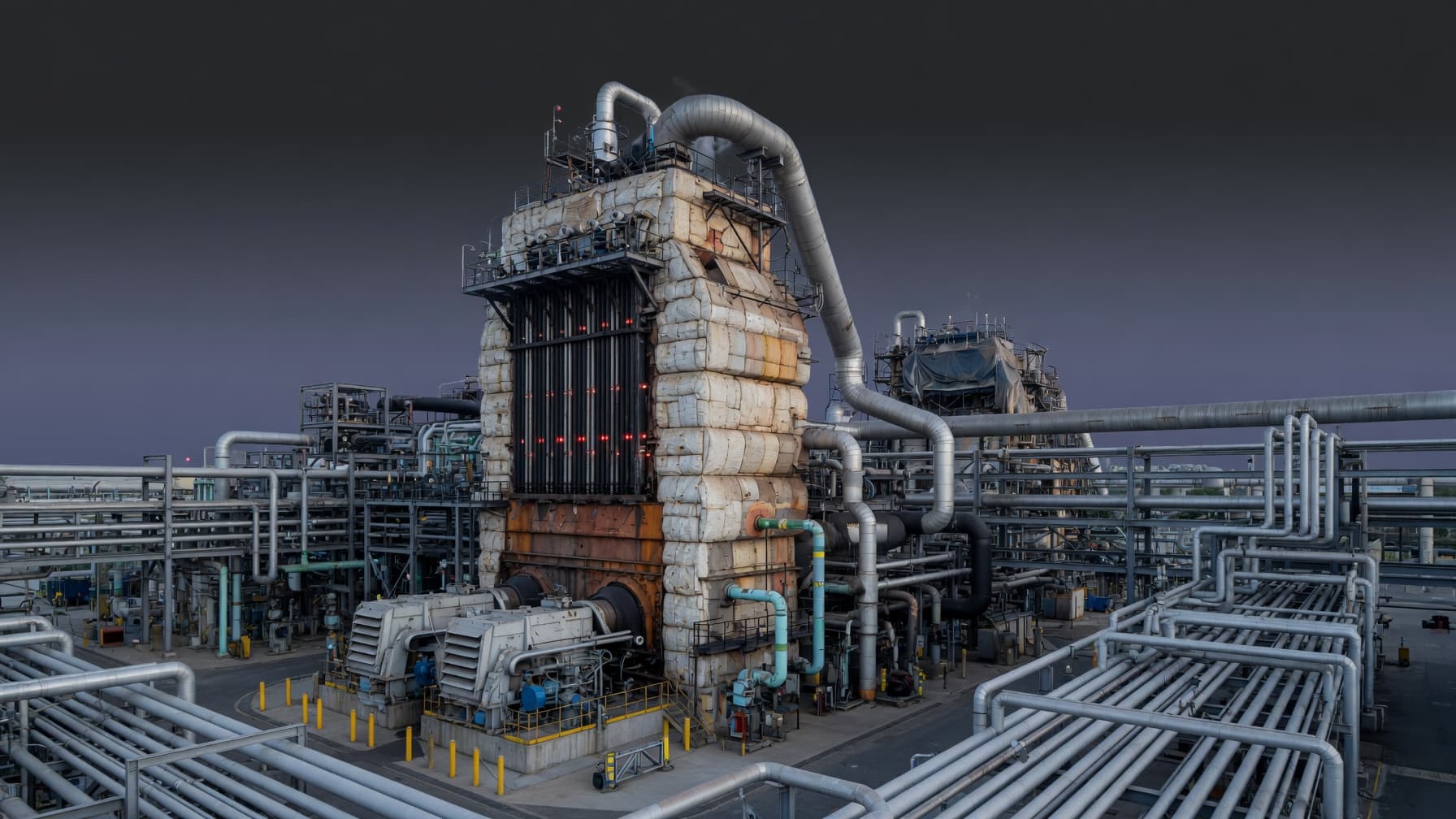
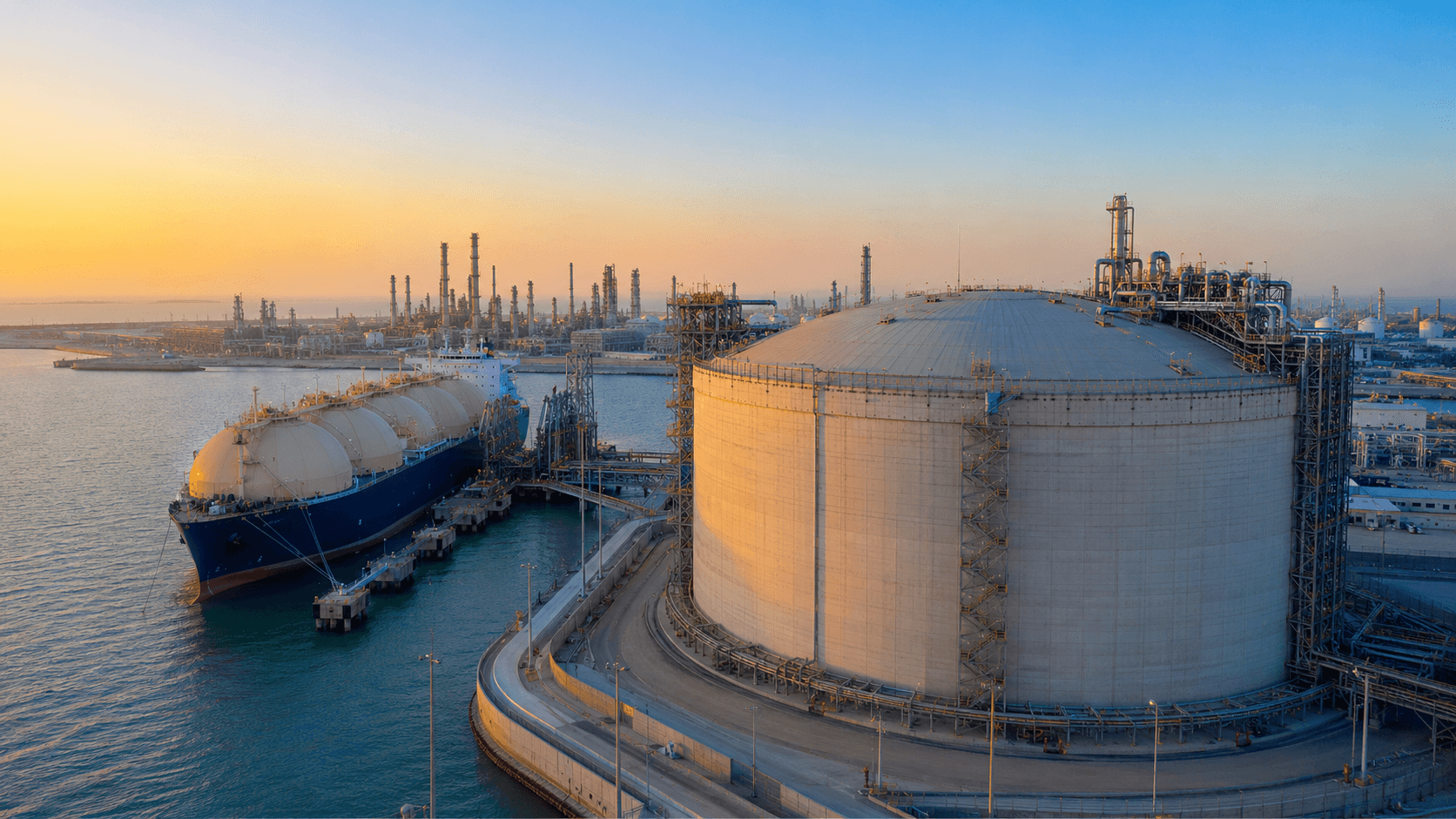
Alongside its diplomatic responsibilities, Qatar continues managing the consequences of damage sustained at Ras Laffan Industrial City earlier this year.
As one of the world's largest integrated LNG and petrochemical hubs, Ras Laffan represents the foundation of Qatar's export economy.
Current assessments suggest that complete restoration of affected facilities may require three to five years, making reconstruction one of the country's largest industrial priorities.
Despite this long-term repair programme, Qatar has continued restoring export operations wherever possible through phased operational recovery and careful production management.
QAFCO's Restart Provides the First Commercial Signal
While LNG infrastructure recovery will extend over several years, fertilizer exports are already progressing through staged operational restoration.
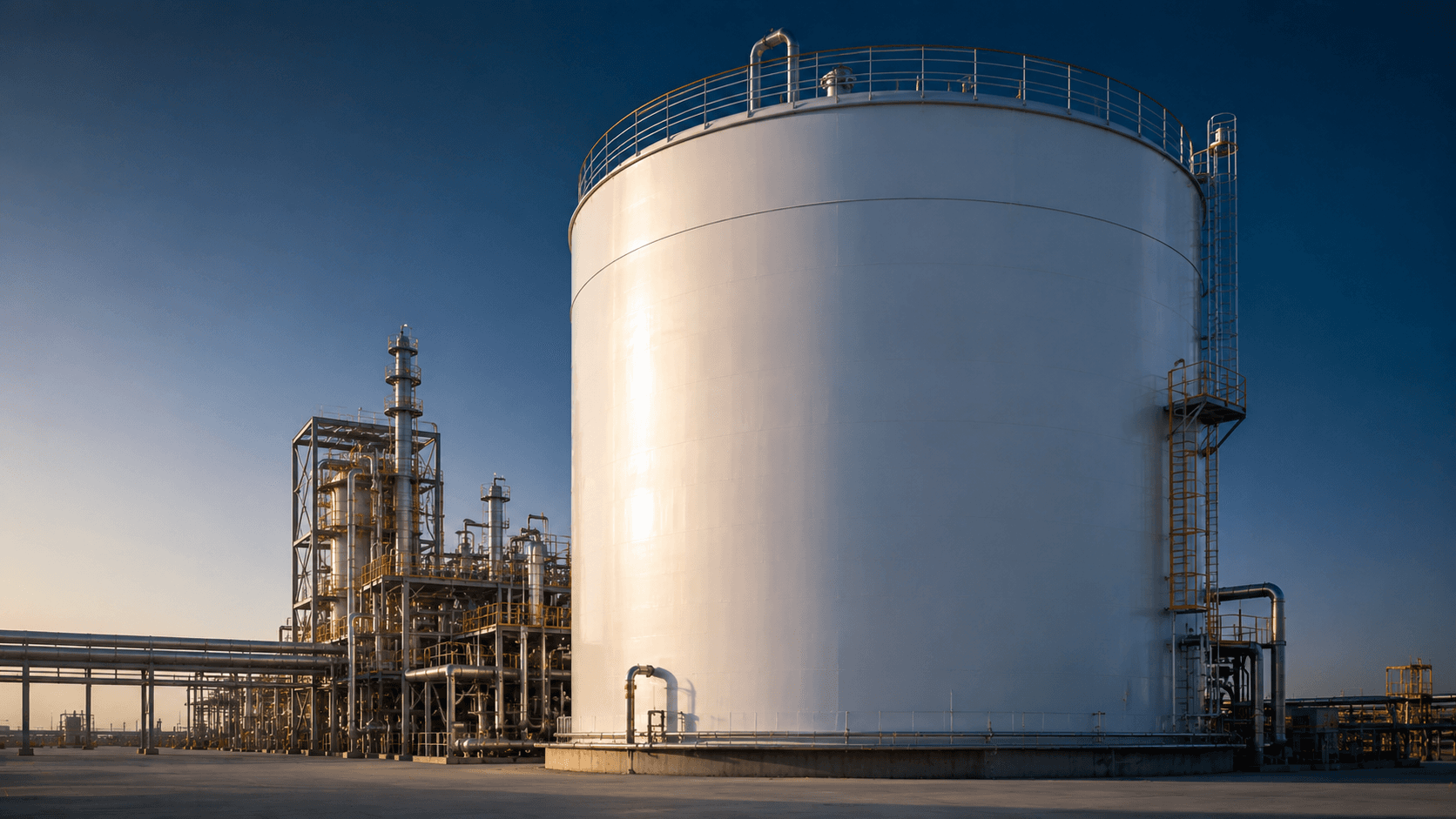
QAFCO's gradual restart of ammonia and urea shipments represents one of the earliest measurable indicators that industrial operations are returning toward normal.
For buyers, these developments deserve close attention because they demonstrate practical commercial confidence rather than political optimism.
Priority indicators include:
Increasing ammonia export volumes.
Progressive reinstatement of urea loading schedules.
Improved vessel scheduling at export terminals.
Greater certainty around contractual delivery commitments.
These operational developments provide stronger evidence of recovery than diplomatic announcements alone.
Capital Commitments Continue Despite Revenue Pressure
Qatar's strategic position extends well beyond domestic production.
The country remains committed to major international investments, including its participation in the US$8.5 billion Golden Triangle Polymers joint venture in Texas.
Maintaining these long-term capital commitments while managing temporary reductions in LNG and petrochemical revenue illustrates Qatar's focus on preserving strategic industrial growth despite short-term market disruption.
For international investors and procurement teams, continued investment activity signals confidence in long-term demand for petrochemicals and advanced manufacturing materials.
Commercial Decisions Reveal More Than Political Statements
Diplomatic discussions often generate significant market attention, yet commercial activity frequently provides a more reliable measure of actual progress.
For chemical buyers, several operational indicators deserve continuous monitoring:
QAFCO export loading schedules.
QatarEnergy LNG contract reinstatements.
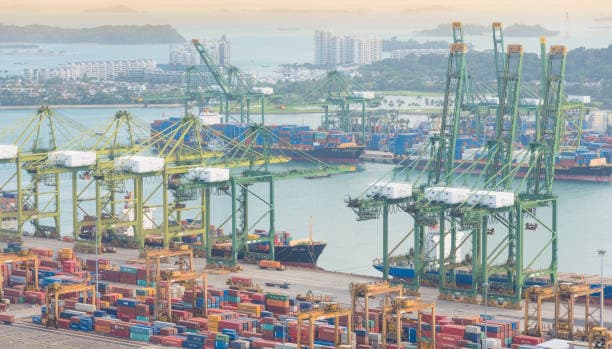
Vessel movements from Ras Laffan.
Freight scheduling improvements.
Export allocation updates for existing customers.
Together, these developments offer practical insight into how regional conditions are evolving from the perspective of one of the Gulf's most important exporters.
Why Buyers Should Watch Commercial Signals Instead of Headlines
Diplomatic developments often influence market sentiment immediately, but commercial activity usually provides a clearer indication of how companies themselves assess operational conditions.
For procurement teams, Qatar's own commercial decisions should become a leading indicator for H2 planning.
Key developments to monitor include:
Progressive expansion of QAFCO ammonia and urea export schedules.
Reinstatement of QatarEnergy LNG contract deliveries.
Vessel loading activity at Ras Laffan.
Customer allocation updates for long-term supply agreements.
Changes in freight scheduling and marine insurance conditions.
These operational indicators reflect commercial confidence based on day-to-day business decisions rather than political expectations.
Investment Strategy Demonstrates Long-Term Confidence
Despite temporary pressure on export revenues, Qatar continues advancing major international investment projects.
Its participation in the Golden Triangle Polymers joint venture demonstrates a long-term commitment to expanding global petrochemical value chains rather than focusing solely on domestic production recovery.
This strategy provides several advantages:
Diversification of revenue beyond LNG exports.
Greater participation in downstream petrochemical manufacturing.
Stronger integration into North American chemical markets.
Long-term resilience against regional geopolitical disruptions.
For international buyers, continued investment reinforces confidence that Qatar remains committed to its position as a leading participant in the global chemical industry.
Procurement Priorities for H2 2026
Companies sourcing LNG, ammonia, urea and other Qatar-origin products should continue combining commercial engagement with careful market monitoring.
Recommended actions include:
Confirm Q3 shipment schedules directly with QatarEnergy and QAFCO commercial representatives.
Monitor fertilizer loading programmes for evidence of increasing export capacity.
Review long-term supply agreements as contract performance progressively normalises.
Update logistics planning based on current freight conditions rather than historical shipping patterns.
Track Qatar's commercial announcements alongside diplomatic developments to build a more complete market assessment.
This balanced approach enables buyers to respond quickly as operational conditions continue improving.
Looking Ahead to H2 2026
Qatar enters the second half of 2026 occupying one of the most strategically important positions in the global energy and chemical markets.
The country is simultaneously managing diplomatic engagement, rebuilding damaged export infrastructure, restoring fertilizer production and maintaining significant international investment commitments. These parallel responsibilities highlight Qatar's importance not only as a commodity exporter but also as a stabilising commercial partner within the Gulf.
For chemical buyers, the most valuable lesson from H1 is that commercial actions often provide clearer guidance than political headlines. Monitoring QAFCO loading schedules, QatarEnergy LNG contract reinstatements and export activity at Ras Laffan offers practical insight into how regional conditions are evolving.
As reconstruction progresses and diplomatic discussions continue, Qatar's own commercial decisions are likely to remain one of the most reliable leading indicators for assessing supply chain stability throughout H2 2026.
Ready to source ammonia from verified global suppliers? Explore competitive offers on our platform today.
Urea (Granular) - Egypt CAS: 57-13-6