
 Reuters reported Middle Eastern crude prices in Asia dropped to their lowest point inmonths as Asian refiners held off on spot purchases and China and India gorged on cheap Russian oil.
In accordance with traders, Saudi Arabia, the world's largest exporter, may lower rates for its term cargoes to Asia for a second consecutive month in July as a result of the price decline. On Wednesday, the benchmark Dubai crude premium dropped to a 4-month low of 70 cents per barrel over Dubai quotes, and Qatar set the price of al-Shaheen for the July term at a 27-month low after increasing supplies.
China and India, the world's No. 1 and No. 3 crude importers, respectively, are purchasing record amounts of Russian crude at the highest prices since the December embargo, in contrast to Europe and the United States where sour crude prices have weakened due to the boycott of Russia's oil and the strong demand for alternative supplies.
Some Asian refiners reduced output in April 2023 as a result of low refining profits, according to traders.
Russian crude arrivals in China in May are predicted by shiptracking data from Kpler to be approximately 44 million barrels, the second-highest level ever. According to Vortexa statistics, China's commercial crude inventory increased to 950 million barrels this week from less than 900 million barrels two months prior, indicating that its refiners are not in a rush to purchase additional oil.
In June and July, Taiwan's Formosa Petrochemical (6505.TW) intends to reduce the amount of oil processed at its 450,000 bpd Mailiao refinery.
Following the closure of a 129,000 bpd unit last week by another Japanese refiner, Eneos (5020.T), Cosmo Oil (5021.T) of Japan shut down a 102,000 bpd crude processing facility on Wednesday.
Since lighter grades produce products of greater quality, their prices are often higher than those of heavier grades.
Additionally, American crude is becoming more expensive than Middle Eastern oil for Asian consumers, thereby narrowing the opportunity for arbitrage for American oil supplies to Asia.
References:
Xu, Muyu. 2023. Reuters: Sour crude prices weaken in Asia despite OPEC+ cuts. Retrieved from https://www.reuters.com/markets/commodities/sour-crude-prices-weaken-asia-despite-opec-cuts-2023-05-19/
Image by atlascompany via https://www.freepik.com/
Reuters reported Middle Eastern crude prices in Asia dropped to their lowest point inmonths as Asian refiners held off on spot purchases and China and India gorged on cheap Russian oil.
In accordance with traders, Saudi Arabia, the world's largest exporter, may lower rates for its term cargoes to Asia for a second consecutive month in July as a result of the price decline. On Wednesday, the benchmark Dubai crude premium dropped to a 4-month low of 70 cents per barrel over Dubai quotes, and Qatar set the price of al-Shaheen for the July term at a 27-month low after increasing supplies.
China and India, the world's No. 1 and No. 3 crude importers, respectively, are purchasing record amounts of Russian crude at the highest prices since the December embargo, in contrast to Europe and the United States where sour crude prices have weakened due to the boycott of Russia's oil and the strong demand for alternative supplies.
Some Asian refiners reduced output in April 2023 as a result of low refining profits, according to traders.
Russian crude arrivals in China in May are predicted by shiptracking data from Kpler to be approximately 44 million barrels, the second-highest level ever. According to Vortexa statistics, China's commercial crude inventory increased to 950 million barrels this week from less than 900 million barrels two months prior, indicating that its refiners are not in a rush to purchase additional oil.
In June and July, Taiwan's Formosa Petrochemical (6505.TW) intends to reduce the amount of oil processed at its 450,000 bpd Mailiao refinery.
Following the closure of a 129,000 bpd unit last week by another Japanese refiner, Eneos (5020.T), Cosmo Oil (5021.T) of Japan shut down a 102,000 bpd crude processing facility on Wednesday.
Since lighter grades produce products of greater quality, their prices are often higher than those of heavier grades.
Additionally, American crude is becoming more expensive than Middle Eastern oil for Asian consumers, thereby narrowing the opportunity for arbitrage for American oil supplies to Asia.
References:
Xu, Muyu. 2023. Reuters: Sour crude prices weaken in Asia despite OPEC+ cuts. Retrieved from https://www.reuters.com/markets/commodities/sour-crude-prices-weaken-asia-despite-opec-cuts-2023-05-19/
Image by atlascompany via https://www.freepik.com/Regardless of Cuts from OPEC+, Sour Crude Prices Declined in Asia
 Reuters reported Middle Eastern crude prices in Asia dropped to their lowest point inmonths as Asian refiners held off on spot purchases and China and India gorged on cheap Russian oil.
In accordance with traders, Saudi Arabia, the world's largest exporter, may lower rates for its term cargoes to Asia for a second consecutive month in July as a result of the price decline. On Wednesday, the benchmark Dubai crude premium dropped to a 4-month low of 70 cents per barrel over Dubai quotes, and Qatar set the price of al-Shaheen for the July term at a 27-month low after increasing supplies.
China and India, the world's No. 1 and No. 3 crude importers, respectively, are purchasing record amounts of Russian crude at the highest prices since the December embargo, in contrast to Europe and the United States where sour crude prices have weakened due to the boycott of Russia's oil and the strong demand for alternative supplies.
Some Asian refiners reduced output in April 2023 as a result of low refining profits, according to traders.
Russian crude arrivals in China in May are predicted by shiptracking data from Kpler to be approximately 44 million barrels, the second-highest level ever. According to Vortexa statistics, China's commercial crude inventory increased to 950 million barrels this week from less than 900 million barrels two months prior, indicating that its refiners are not in a rush to purchase additional oil.
In June and July, Taiwan's Formosa Petrochemical (6505.TW) intends to reduce the amount of oil processed at its 450,000 bpd Mailiao refinery.
Following the closure of a 129,000 bpd unit last week by another Japanese refiner, Eneos (5020.T), Cosmo Oil (5021.T) of Japan shut down a 102,000 bpd crude processing facility on Wednesday.
Since lighter grades produce products of greater quality, their prices are often higher than those of heavier grades.
Additionally, American crude is becoming more expensive than Middle Eastern oil for Asian consumers, thereby narrowing the opportunity for arbitrage for American oil supplies to Asia.
References:
Xu, Muyu. 2023. Reuters: Sour crude prices weaken in Asia despite OPEC+ cuts. Retrieved from https://www.reuters.com/markets/commodities/sour-crude-prices-weaken-asia-despite-opec-cuts-2023-05-19/
Image by atlascompany via https://www.freepik.com/
Reuters reported Middle Eastern crude prices in Asia dropped to their lowest point inmonths as Asian refiners held off on spot purchases and China and India gorged on cheap Russian oil.
In accordance with traders, Saudi Arabia, the world's largest exporter, may lower rates for its term cargoes to Asia for a second consecutive month in July as a result of the price decline. On Wednesday, the benchmark Dubai crude premium dropped to a 4-month low of 70 cents per barrel over Dubai quotes, and Qatar set the price of al-Shaheen for the July term at a 27-month low after increasing supplies.
China and India, the world's No. 1 and No. 3 crude importers, respectively, are purchasing record amounts of Russian crude at the highest prices since the December embargo, in contrast to Europe and the United States where sour crude prices have weakened due to the boycott of Russia's oil and the strong demand for alternative supplies.
Some Asian refiners reduced output in April 2023 as a result of low refining profits, according to traders.
Russian crude arrivals in China in May are predicted by shiptracking data from Kpler to be approximately 44 million barrels, the second-highest level ever. According to Vortexa statistics, China's commercial crude inventory increased to 950 million barrels this week from less than 900 million barrels two months prior, indicating that its refiners are not in a rush to purchase additional oil.
In June and July, Taiwan's Formosa Petrochemical (6505.TW) intends to reduce the amount of oil processed at its 450,000 bpd Mailiao refinery.
Following the closure of a 129,000 bpd unit last week by another Japanese refiner, Eneos (5020.T), Cosmo Oil (5021.T) of Japan shut down a 102,000 bpd crude processing facility on Wednesday.
Since lighter grades produce products of greater quality, their prices are often higher than those of heavier grades.
Additionally, American crude is becoming more expensive than Middle Eastern oil for Asian consumers, thereby narrowing the opportunity for arbitrage for American oil supplies to Asia.
References:
Xu, Muyu. 2023. Reuters: Sour crude prices weaken in Asia despite OPEC+ cuts. Retrieved from https://www.reuters.com/markets/commodities/sour-crude-prices-weaken-asia-despite-opec-cuts-2023-05-19/
Image by atlascompany via https://www.freepik.com/Related Insights

Refrigerant R22 Jumps Over 2,000 Yuan per Tonne: Understanding the July 2026 Price Shock
Refrigerant R22 prices surged by more than 2,000 yuan per tonne within a single week during July 2026, drawing attention across China's chemical market. Procurement teams should understand what such rapid movements may signal for refrigerant supply, industrial demand and purchasing strategies.
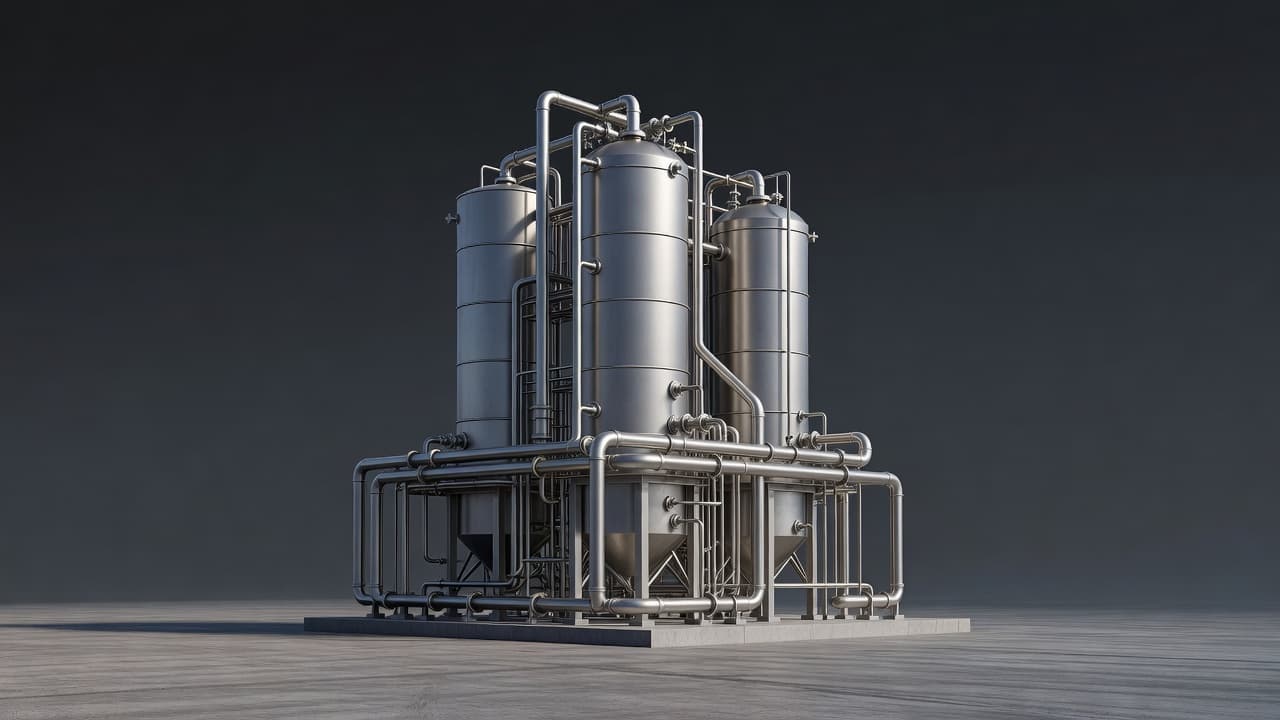
Xinjiang's New Polypropylene Capacity: How China's Latest Expansion Strengthens Petrochemical Self-Sufficiency
Construction has begun on a 450,000-tonne polypropylene plant at the Xinjiang Shaneng Wucaiwan project, reinforcing China's long-term capacity expansion strategy. Procurement teams should evaluate how additional domestic production could reshape regional polymer supply and international trade flows.
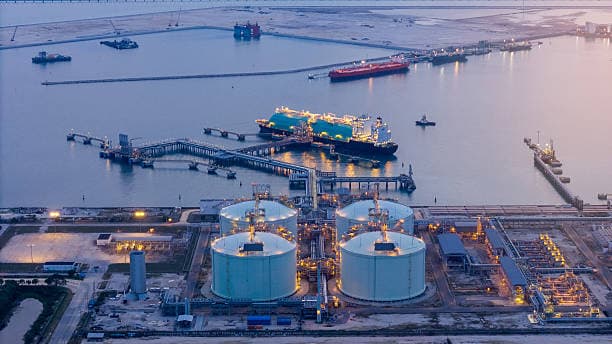
Cefic Q1 2026: Production Decline and Its Ripple Effect on Intra‑EU Chemical Trade
The first quarter 2026 Cefic report highlights a sharper than expected drop in EU chemical output, tightening capacity utilisation and reshaping trade flows. This article explores how lower production levels alter intra‑EU imports, transport demand and logistics planning, and what firms can do to stay agile.

VCI Q2 2026 Review Signals Deepening German Chemical Weakness
The upcoming VCI Q2 2026 report underscores a sharp decline in German chemical production, driven by soaring feedstock costs and weak domestic demand. Naphtha‑based downstream plants are hit hardest, while export disruptions to Asia and the Gulf further strain utilization rates. For buyers, the data offers critical insight into supplier stability and pricing dynamics across Europe.

China Chemical Watch: H1 2026 Closing Review, The World's Swing Supplier and What Buyers Should Expect in H2
China's chemical industry ended H1 2026 as the world's primary swing supplier, filling supply gaps created by disruptions in Gulf exports. As Middle Eastern production steadily returns, procurement teams must determine which Chinese export advantages remain permanent and which were driven by exceptional market conditions.
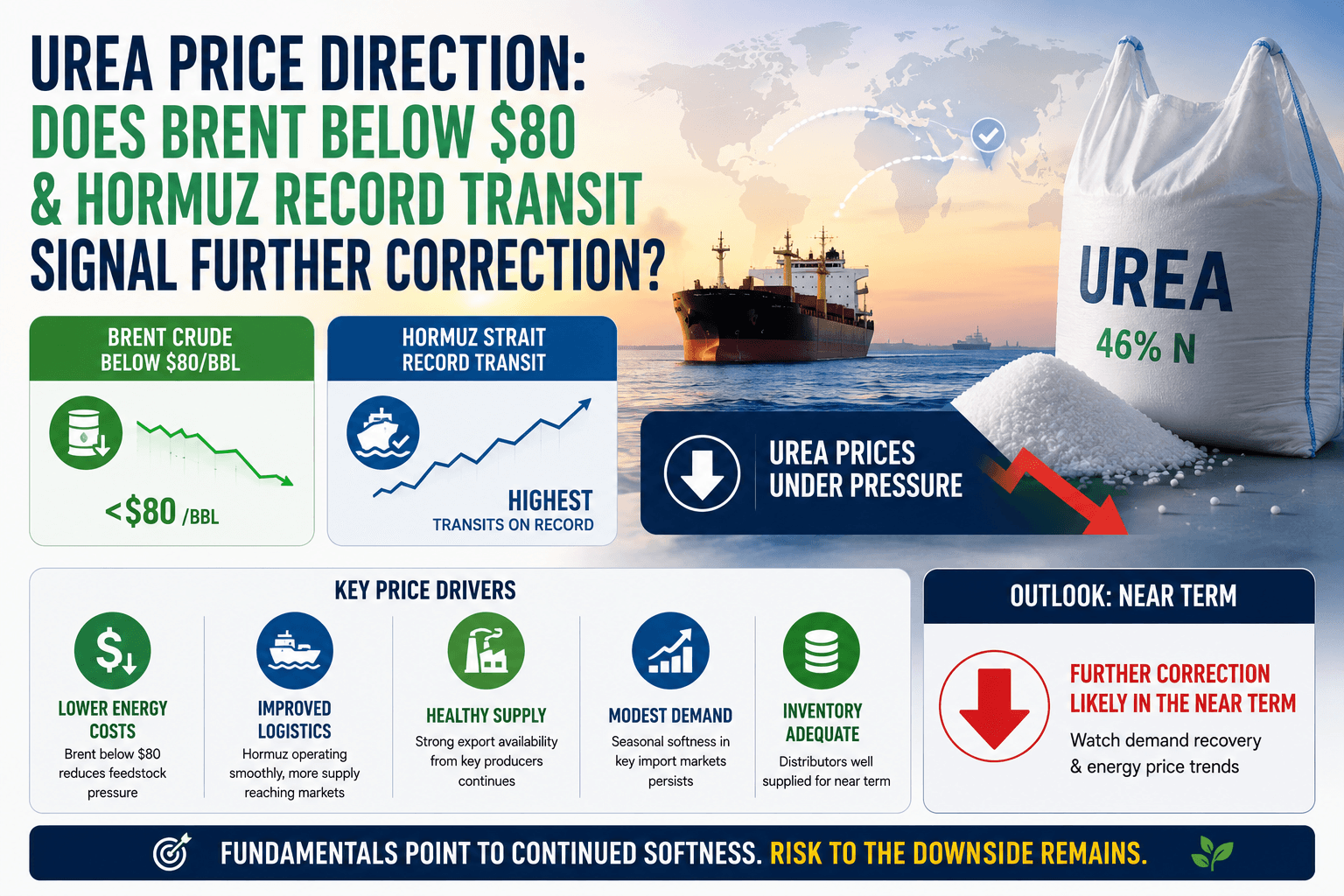
Urea Price Direction: Does Brent Below $80 and Hormuz Record Transit Signal Further Correction?
Urea prices have already fallen 36% from April highs, but improving Hormuz shipping and lower Brent crude suggest only modest further correction ahead. For fertilizer buyers, the strongest buying opportunity may already be unfolding before Q3 market stabilization begins.
Don't miss out on our updates! Subscribe to our newsletter now
We're committed to your privacy. Tradeasia uses the information you provide to us to contact you about our relevant content, products, and services. For more information, check out our privacy policy.