Related Insights

Trump's Hormuz Toll Reversal: Why Rapid Policy Changes Matter for Chemical Compliance Teams
The withdrawal of the proposed 20% Hormuz cargo fee only days after it was announced highlights how quickly trade policy can change. Chemical procurement and compliance teams should document policy shifts and maintain flexible compliance processes to reduce operational risk.

ACA Subsidy Cuts and Medical Device Demand: What the Regulatory Ripple Means for Healthcare Supply Chains
ACA subsidy reductions are emerging as a factor affecting medical procedure growth, with implications for medical device demand and healthcare manufacturing. Procurement professionals should understand how healthcare policy changes can influence purchasing patterns across the pharmaceutical and medical technology sectors.
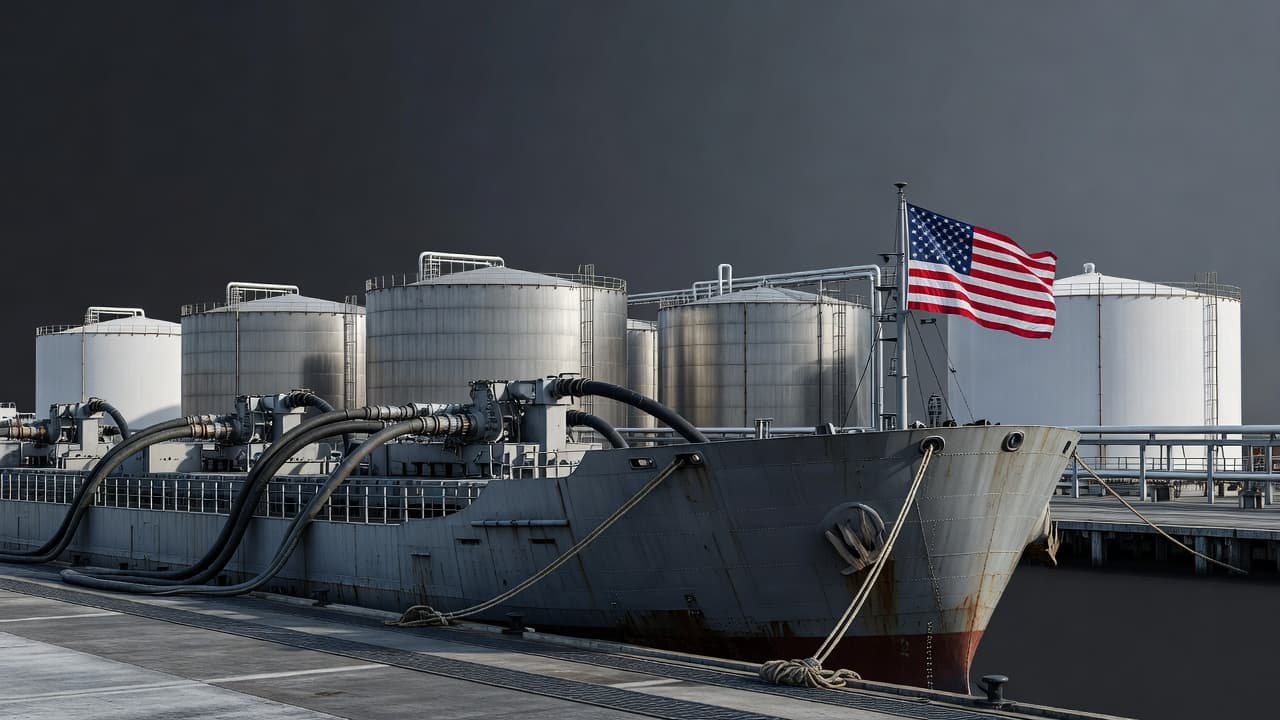
Jones Act Waivers as a Regulatory Tool: What Earlier Shipping Relief Could Mean for Chemical Logistics
A previous 60-day Jones Act waiver eased fertilizer and petroleum transport during supply chain disruption. Chemical procurement and compliance teams should understand how similar regulatory measures could influence domestic logistics, freight availability and contingency planning.
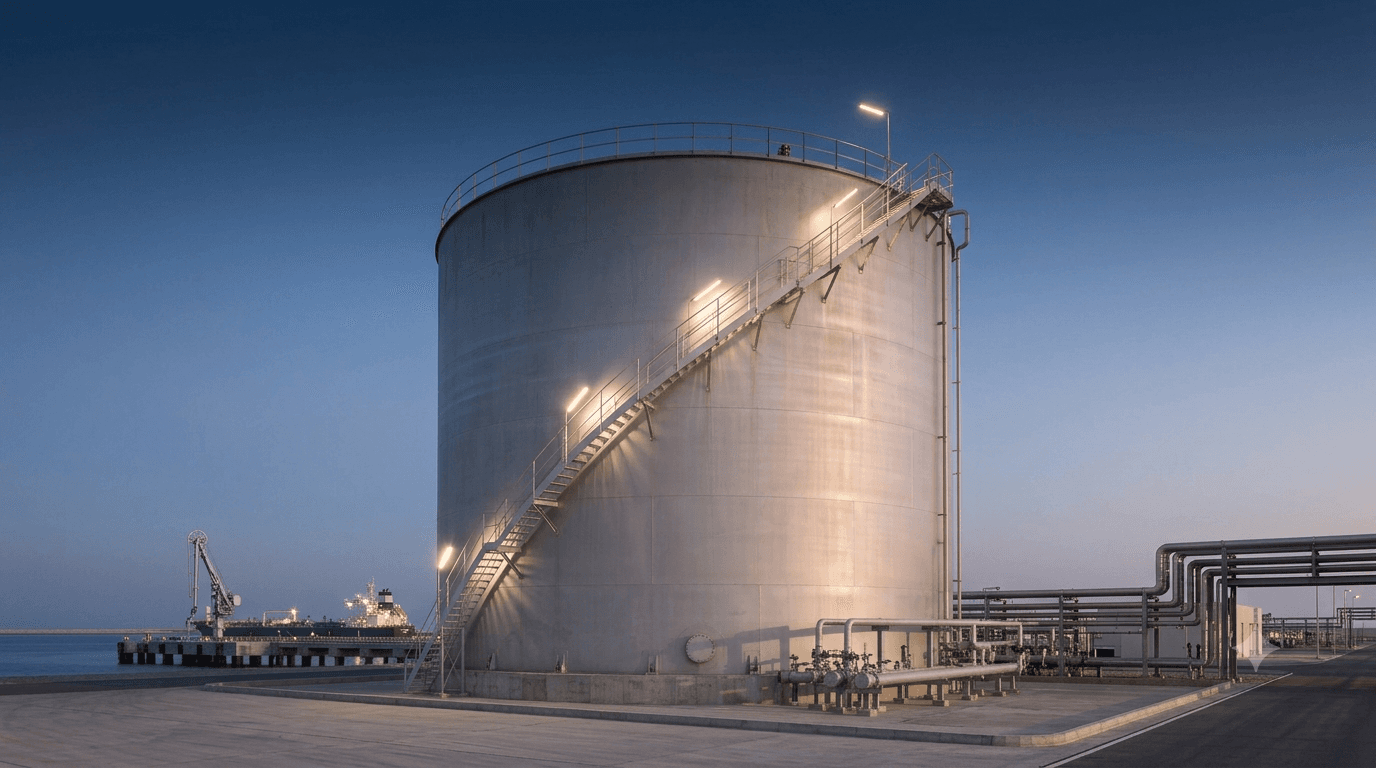
Thailand's Emergency Fuel Export Ban: A Case Study in Downstream Chemical Disruption and Supply Chain Risk
Thailand's emergency fuel export ban highlighted how government intervention can rapidly disrupt downstream chemical supply chains. Procurement teams that rely on Thai petrochemical exports can use this case to strengthen sourcing strategies and reduce exposure to sudden market shocks.

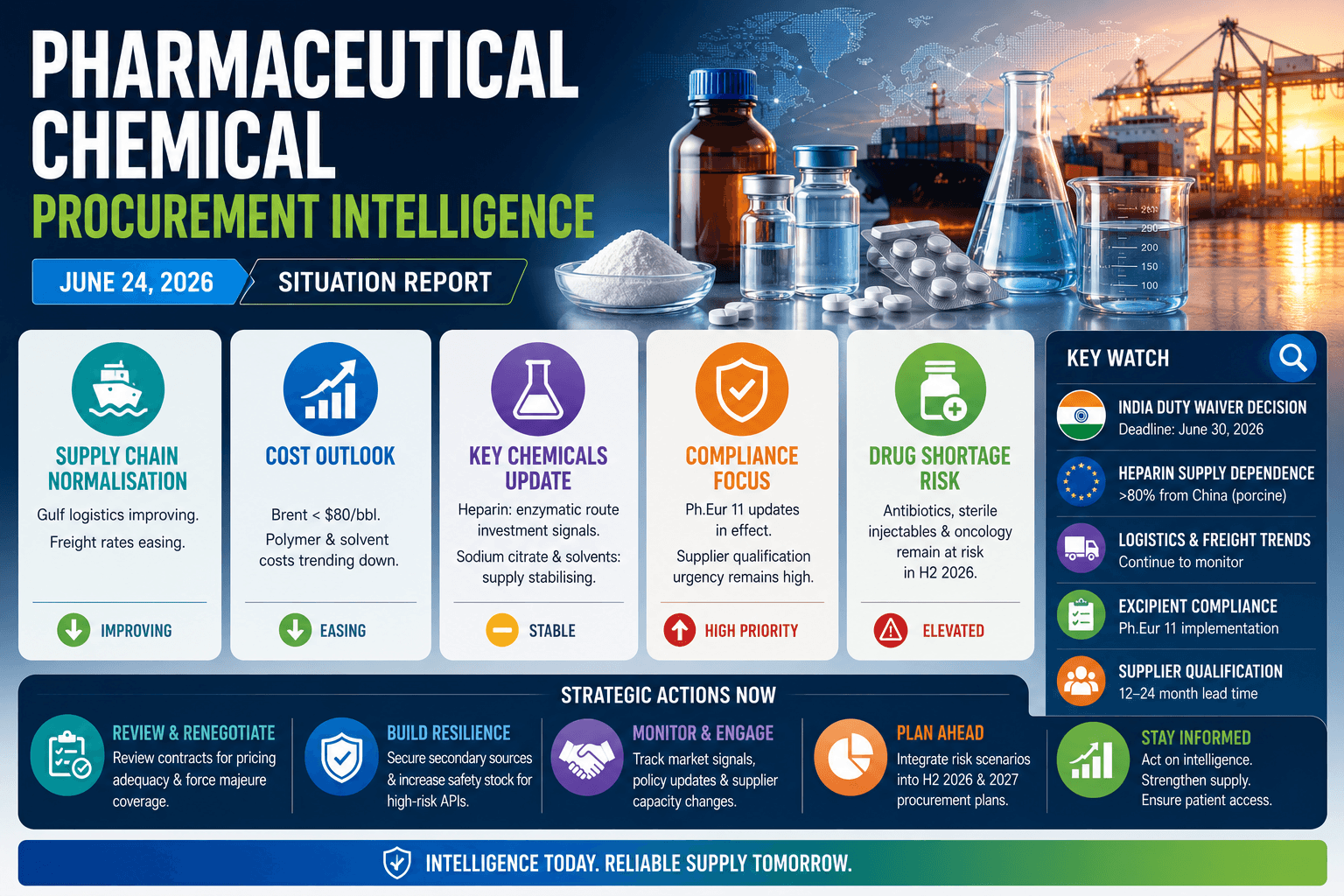
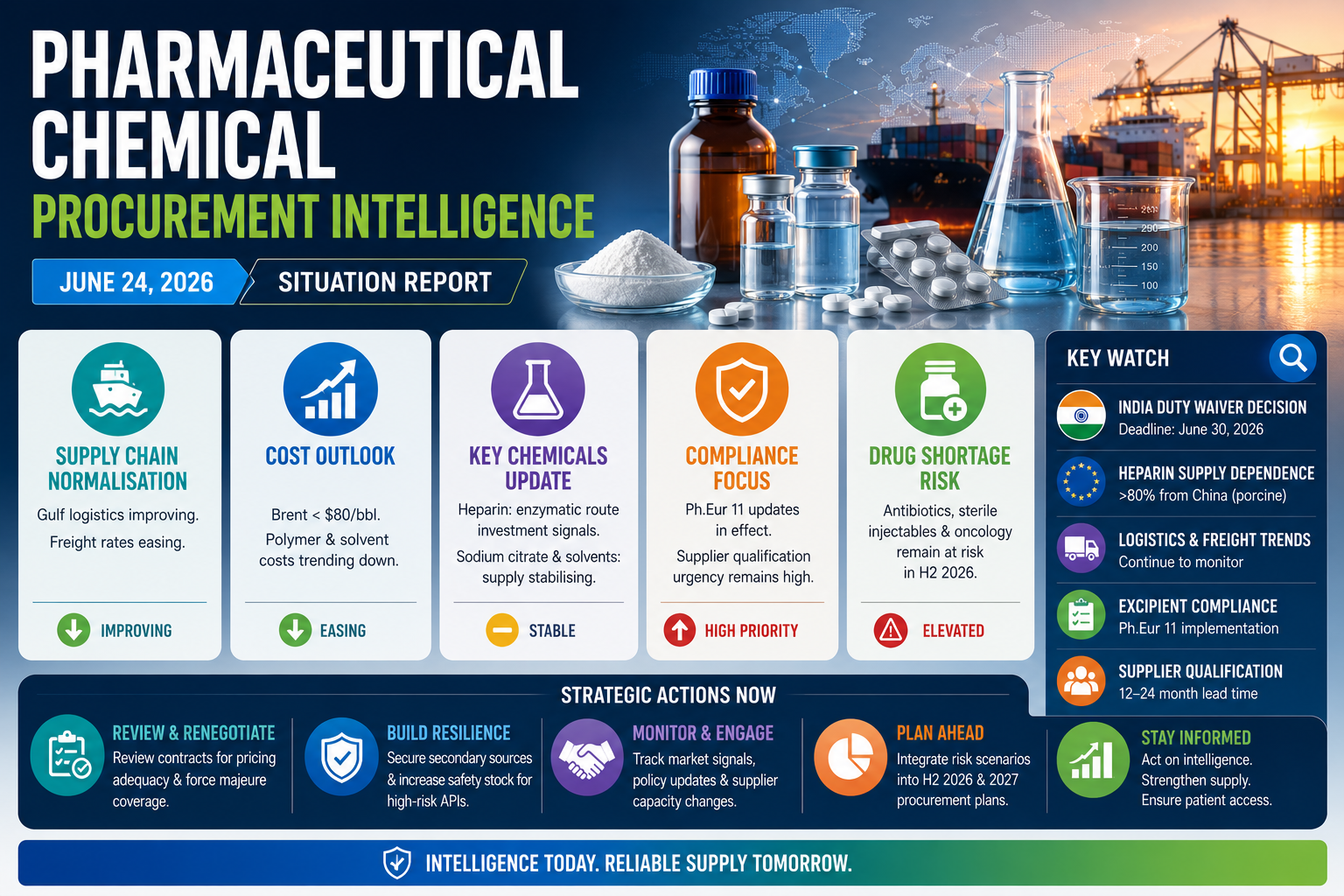
Drug Shortage Risk: H1 2026 Closing Assessment and H2 Procurement Priorities
Drug shortages remained a major concern throughout H1 2026 as geopolitical disruptions, concentrated API production, and emerging demand for GLP-1 manufacturing inputs reshaped pharmaceutical procurement strategies for H2.

Ethanol and Solvents Market Outlook: How July 1 Changes Indian and Asian Buying Strategies
July 1, 2026 brings major changes for ethanol and solvent buyers as India’s duty waiver expires while lower crude prices improve production economics across Asia. This analysis explains how procurement teams can prepare for H2 2026 sourcing decisions.
Don't miss out on our updates! Subscribe to our newsletter now
We're committed to your privacy. Tradeasia uses the information you provide to us to contact you about our relevant content, products, and services. For more information, check out our privacy policy.