
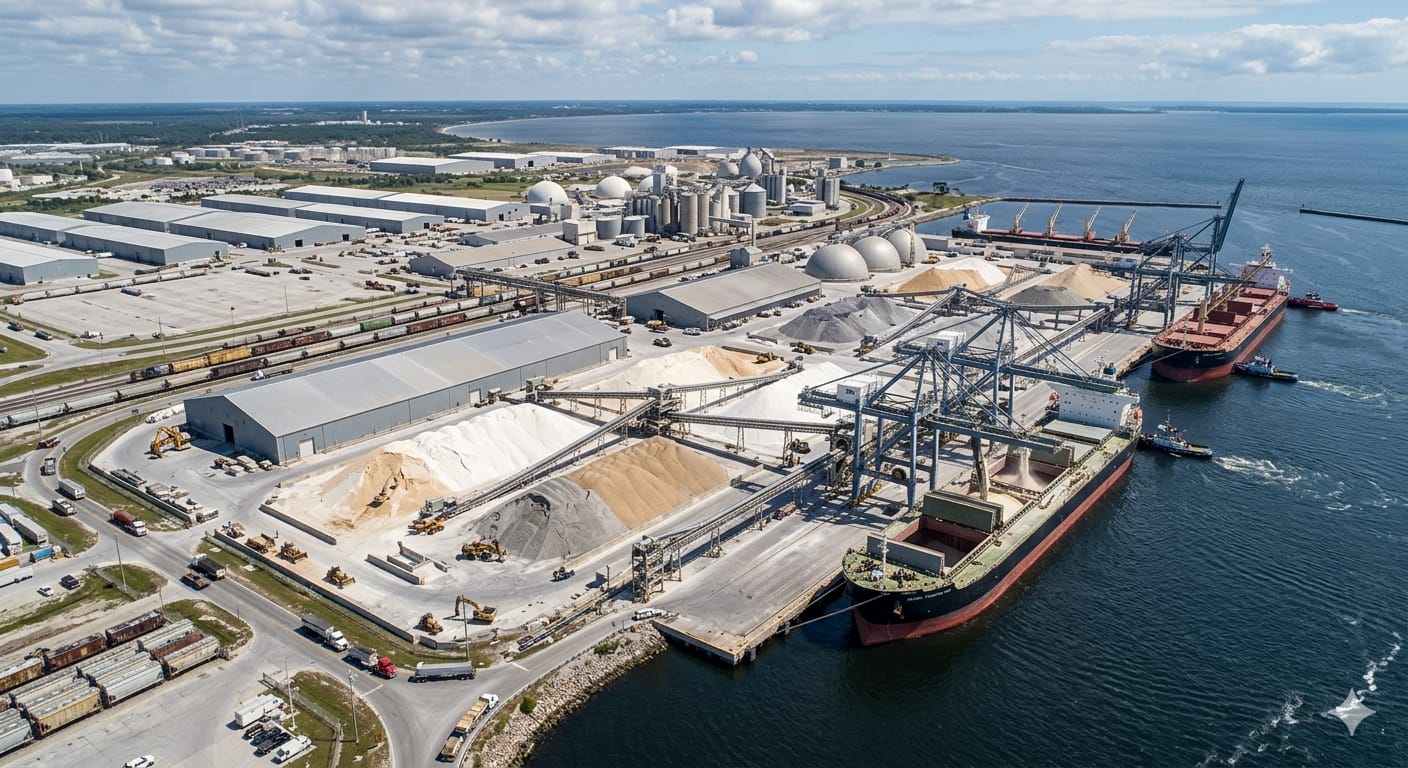
Diammonium Phosphate (Technical 18-46) - Morocco CAS: 7783-28-0
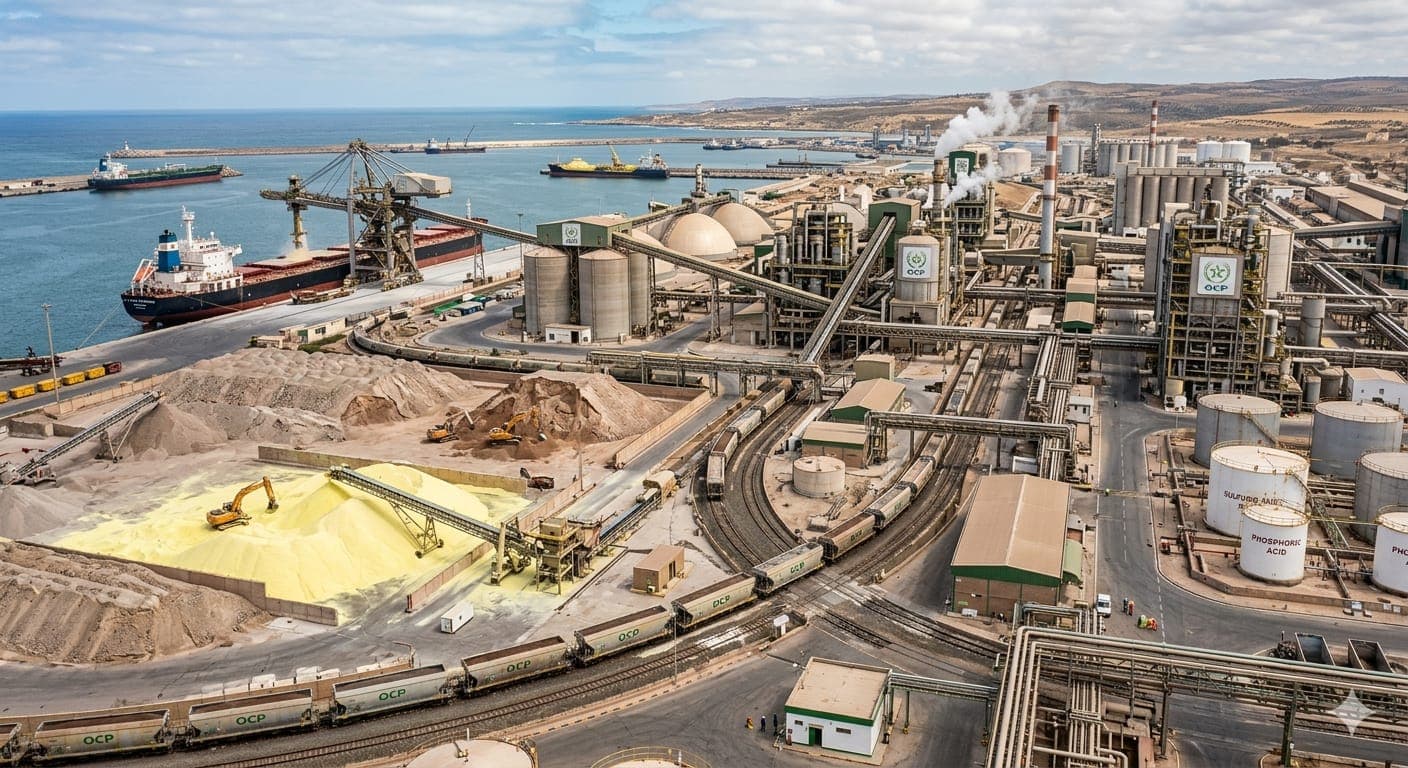
Diammonium Phosphate (Technical 18-46) - Morocco CAS: 7783-28-0
Hydrogen peroxide markets closed H1 2026 with supply pressure driven by structural changes rather than short-term geopolitical disruption. Buyers in electronics and industrial sectors need a different risk approach for this specialised chemical.

The global MSG market enters a critical procurement period as major Chinese producers prepare their second half of 2026 pricing. Freight costs have eased, feedstock conditions remain favorable and buyers have a limited window to secure competitive contracts before new price schedules take effect.
Formaldehyde producers may finally see feedstock cost pressure ease as methanol supply conditions improve and crude oil prices remain softer. However, buyers of urea-formaldehyde and phenol-formaldehyde resins should not expect immediate price reductions, as contract structures and inventory cycles will delay market adjustments into August 2026.
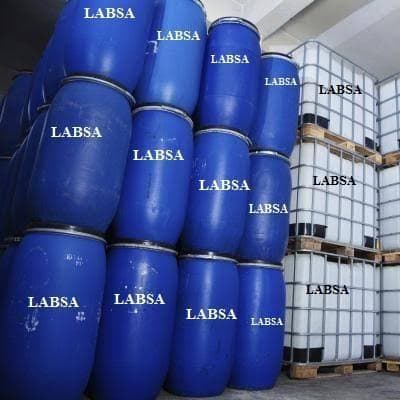
The reopening of Gulf export routes is improving n-paraffin availability, a key feedstock for LAB and LABSA production. As supply normalizes, detergent manufacturers may see easing costs in H2 2026, while buyers with existing contracts should review pricing adjustment clauses.

The Hormuz crisis reshaped global fertilizer flows, accelerating growth in North America, India and China. This article examines the top agrochemical suppliers, their market shares, and emerging trends in urea, phosphate and potash distribution.

The acetic acid market is facing renewed pricing pressure as Chinese export volumes increase while Middle East supply gradually returns after Hormuz-related disruptions. Buyers need to assess supply trends, regional competition and procurement strategies for H2 2026.
We're committed to your privacy. Tradeasia uses the information you provide to us to contact you about our relevant content, products, and services. For more information, check out our privacy policy.