Related Insights

War‑Risk Insurance for Chemical & Fertilizer Tankers Set to Surge Again
War‑risk insurance premiums for chemical and fertilizer tankers are poised to climb sharply, raising freight costs and forcing shippers to rethink logistics strategies. The new price surge reflects heightened conflict risks in key shipping lanes and a tightening supply of under‑insured vessels. Companies must now balance cost, safety and supply chain resilience in a volatile market.
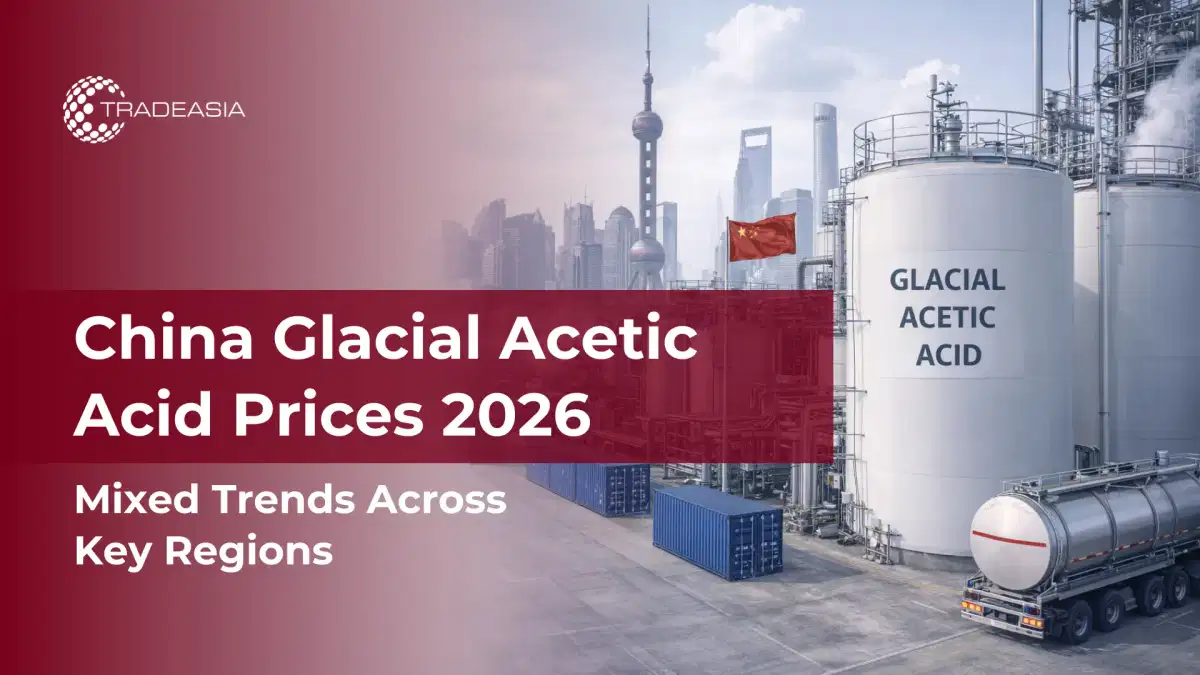
China Glacial Acetic Acid Market: Regional Price Trends in 2026
Explore China’s glacial acetic acid price trends in 2026, regional supply-demand shifts, trade flows, and sourcing implications for Asian buyers.
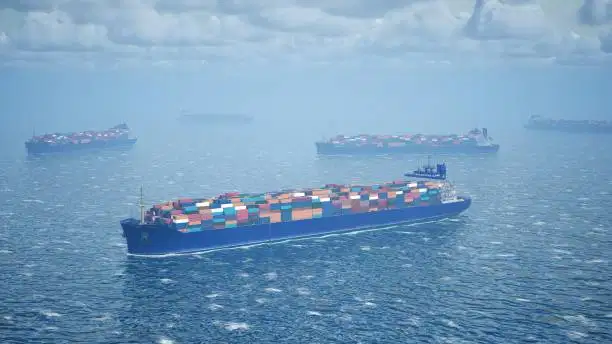
6,000 Seafarers Stranded as Hormuz Traffic Drops, Fueling Shipping Crisis
Approximately 6,000 seafarers are trapped in the Gulf as vessel movements through the Strait of Hormuz fall below normal levels. This bottleneck is not only an operational headache for shipping lines but also a humanitarian crisis and a threat to the chemical supply chain that fuels global commerce. The article explores the ripple effects across maritime logistics, crew welfare, and chemical transport.
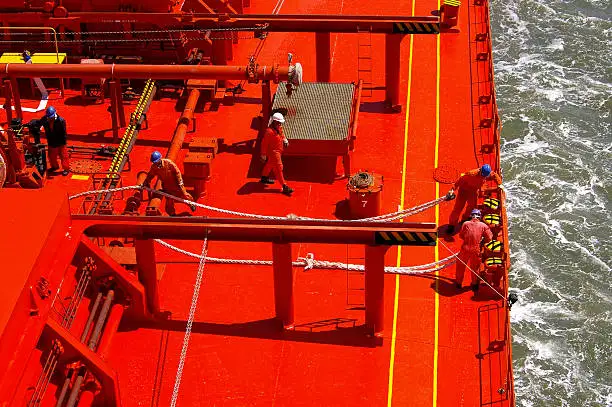
IMO Urges Ships to Sidestep Hormuz Amid Crew Safety Concerns
The International Maritime Organization has issued a stern warning for vessels to avoid the Strait of Hormuz until crew safety can be assured. This directive raises immediate questions for chemical tankers, Gulf shipping routes, and global supply chains. In this article we break down the implications and explore how operators can adapt.
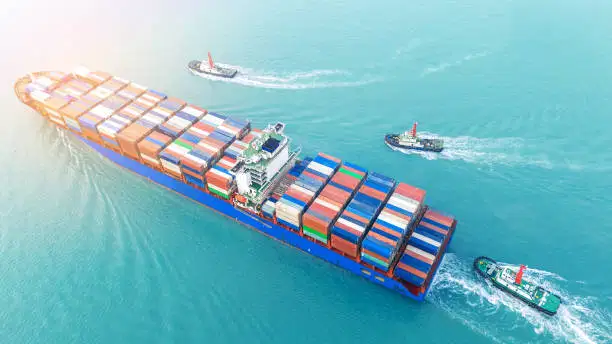
Hormuz War‑Risk Premiums Hit 10% of Hull Value: Chemical Shipping Toll
When war‑risk insurance for vessels transiting the Strait of Hormuz surged to 10% of hull value, chemical shipping faced record freight rates and supply chain strain. This article examines the drivers, impacts, and strategic responses within Gulf maritime logistics.
China's Export Timing Strategy: How Phosphate Restrictions Are Reshaping Global Fertilizer Trade
China's decision to delay phosphate exports until August, following earlier urea export restrictions, is influencing global fertilizer markets without formal trade bans. Procurement professionals should understand how export timing has become an increasingly important factor in supply chain planning.
Don't miss out on our updates! Subscribe to our newsletter now
We're committed to your privacy. Tradeasia uses the information you provide to us to contact you about our relevant content, products, and services. For more information, check out our privacy policy.