Urea (Granular) - Egypt CAS: 57-13-6

The H.R.1 One Big Beautiful Bill Act has become an important factor influencing capital allocation across the US chemical industry. Procurement teams, investors and manufacturers should understand how tax policy can affect production capacity, supply chains and long-term sourcing decisions.
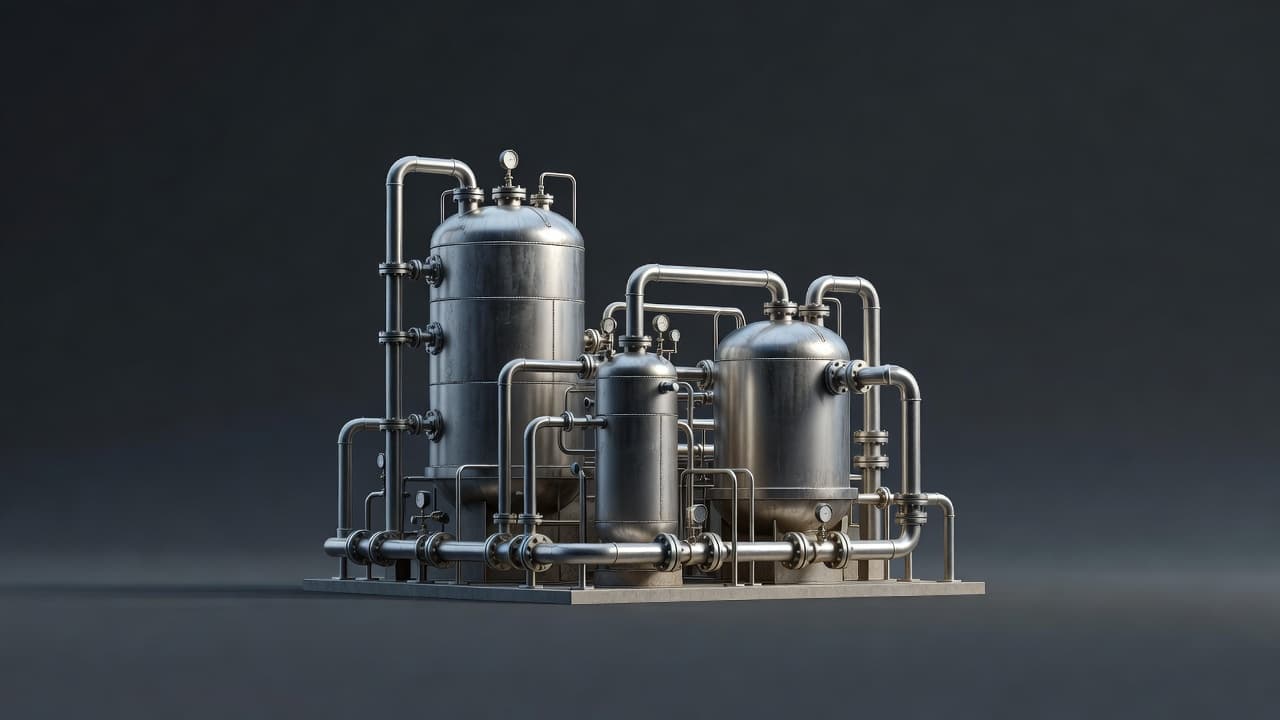
Four major US chemical companies suspended production lines for polystyrene, PVC, styrene and related products during early July 2026. Procurement teams should evaluate how reduced operating capacity may affect product availability, regional pricing and future sourcing strategies.
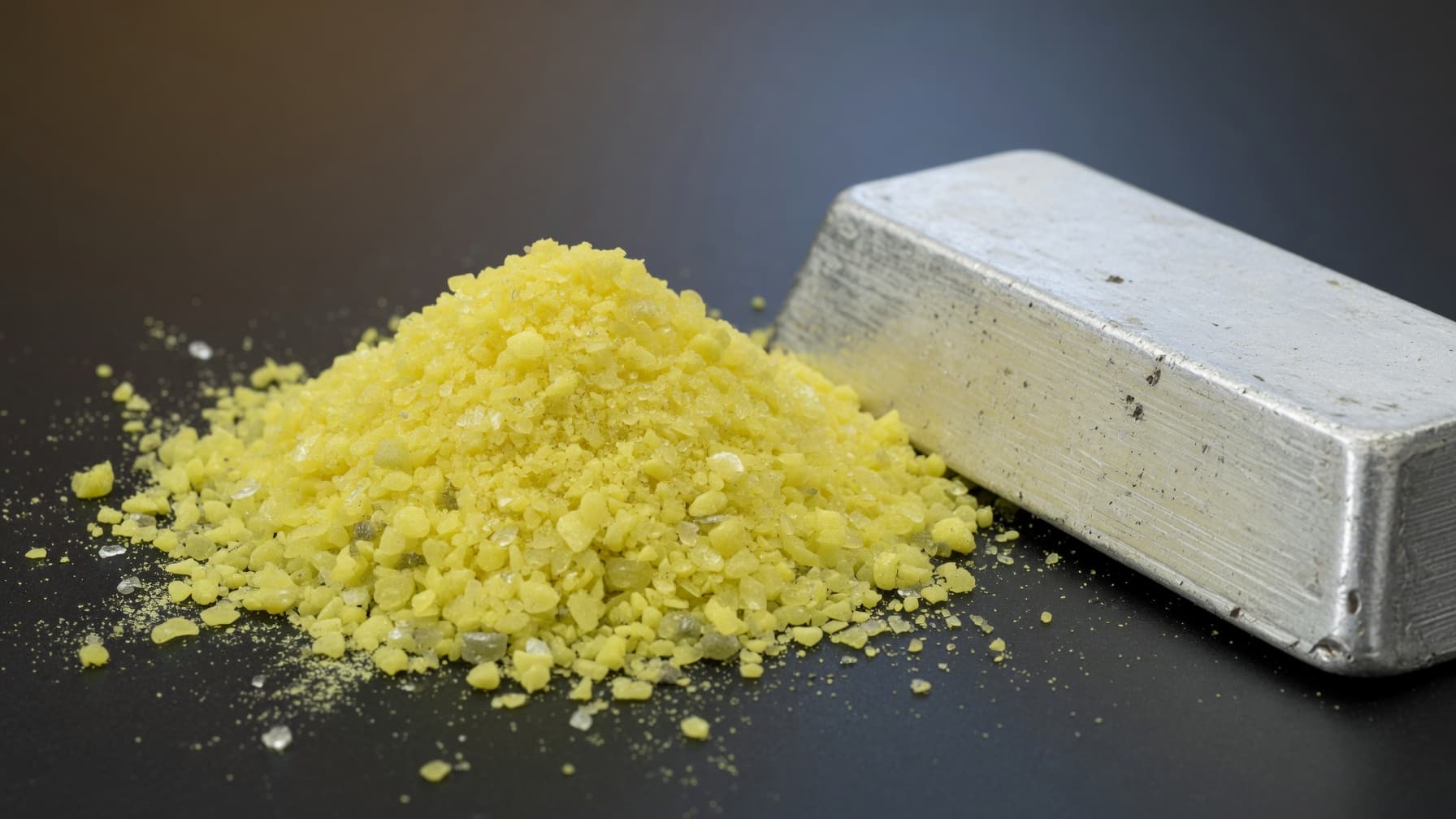
The Strait of Hormuz disruption extends beyond oil markets, affecting sulfur, aluminum, methanol and graphite that support global chemical manufacturing. Procurement teams should reassess sourcing strategies as industrial raw material risks continue to evolve.
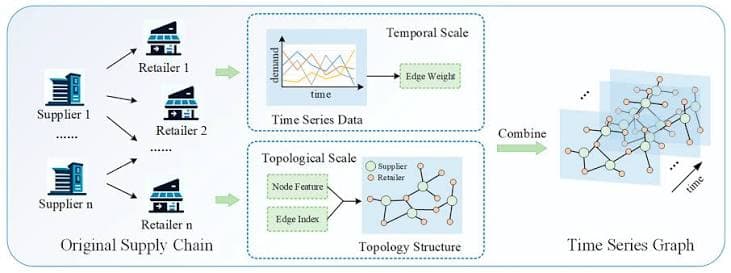
The chemical industry entered 2025 expecting a strong recovery, yet actual growth fell well short of expectations. Understanding where industry forecasts missed—and why—can help procurement teams build more resilient sourcing and demand-planning strategies for H2 2026.
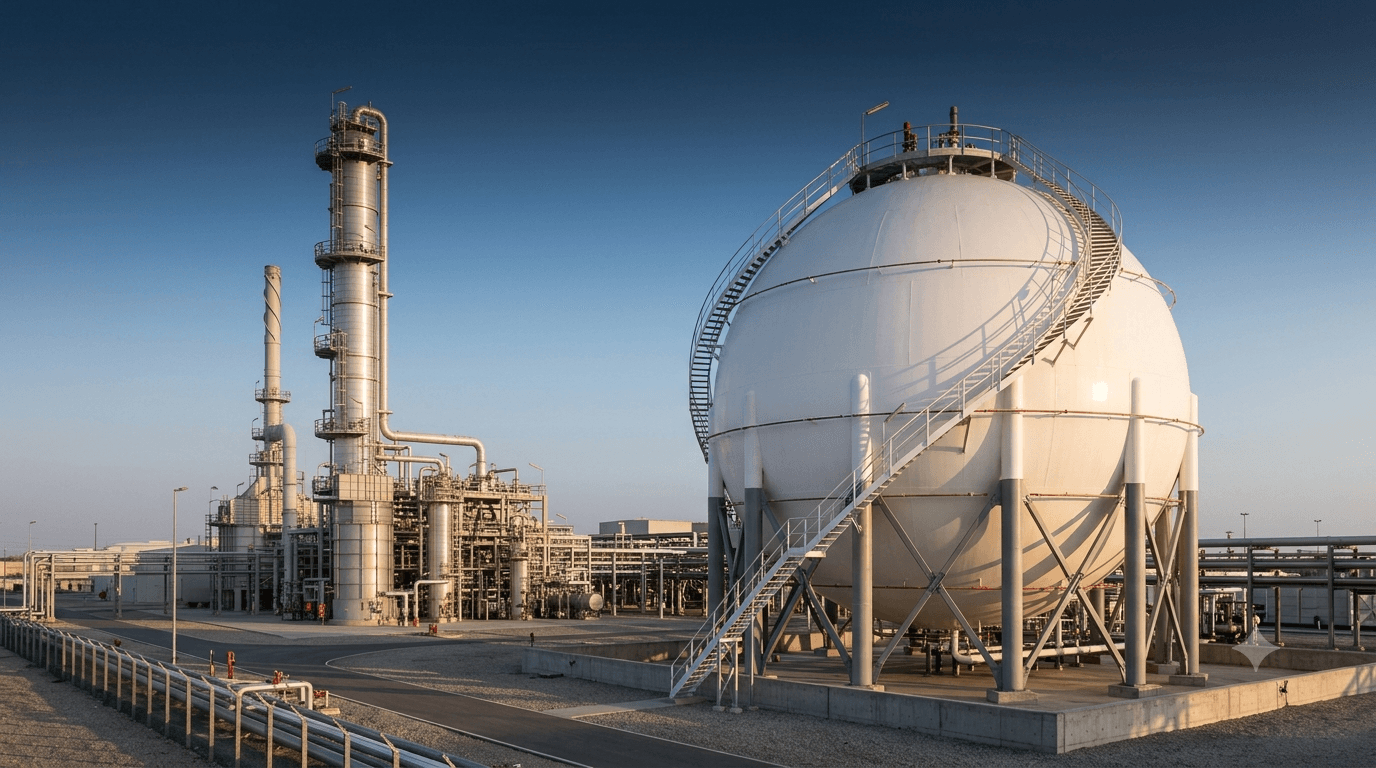
Wood Mackenzie's latest market assessment suggests the Hormuz disruption could permanently reshape global chemical production. Procurement teams that identify supplier risks early and qualify alternative sources now will stand in a stronger position as supply tightens.

Caustic soda demand is expected to improve in H2 2026 as alumina refining and pulp sector activity gradually recovers after Hormuz-related cost pressures. Buyers and traders should monitor supply expansion, energy costs and industrial demand trends shaping the global caustic soda market.
We're committed to your privacy. Tradeasia uses the information you provide to us to contact you about our relevant content, products, and services. For more information, check out our privacy policy.