Borax Decahydrate (Technical Grade) - Argentina CAS: 1303-96-4
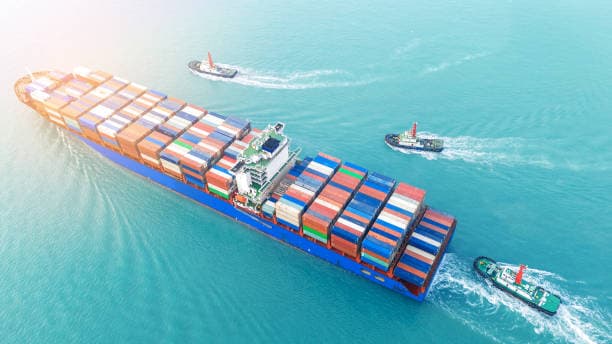
When war‑risk insurance for vessels transiting the Strait of Hormuz surged to 10% of hull value, chemical shipping faced record freight rates and supply chain strain. This article examines the drivers, impacts, and strategic responses within Gulf maritime logistics.
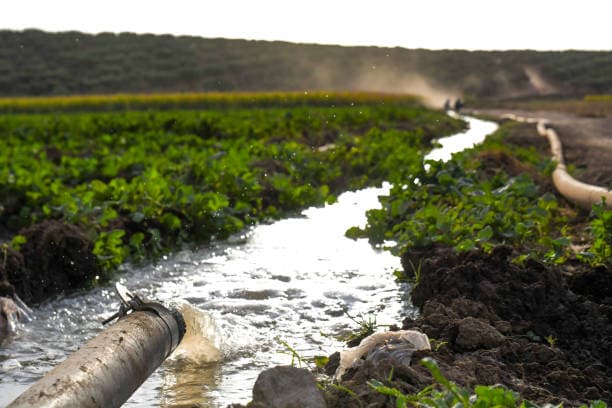
Water scarcity is forcing food ingredient manufacturers to overhaul their processing methods. By investing in water‑efficient technologies, improving resource management, and adopting sustainable production practices, suppliers are turning a challenge into an opportunity for environmental stewardship and long‑term resilience.
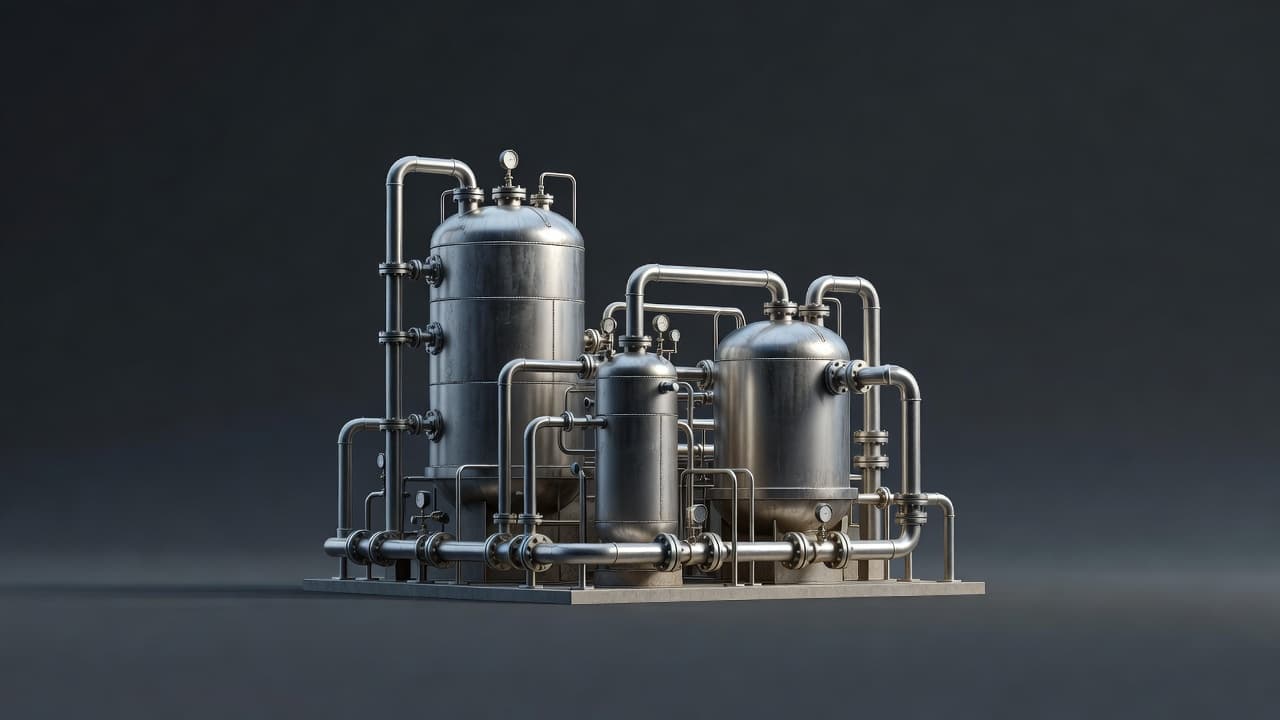
Four major US chemical companies suspended production lines for polystyrene, PVC, styrene and related products during early July 2026. Procurement teams should evaluate how reduced operating capacity may affect product availability, regional pricing and future sourcing strategies.
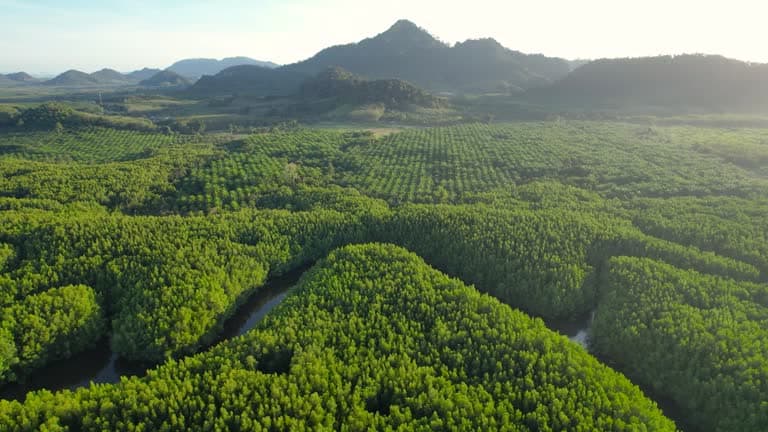
Tall oil, extracted from kraft pulp production in Scandinavia, offers a renewable, Hormuz‑free source of fatty acids and rosin. Its versatility fuels coatings, adhesives, inks and specialty chemicals, bolstering supply chain resilience across the Nordic chemical sector.
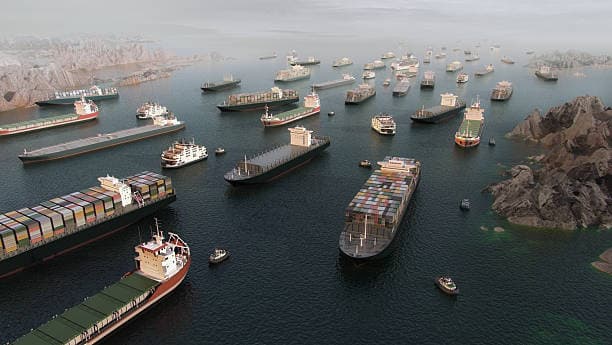
The 2024 Hormuz crisis exposed fragilities in global feedstock supply chains, spotlighting the resilience of post‑consumer recycled chemicals. This article explores how domestic circular feedstocks reduce procurement risk, advance sustainability, and strengthen the circular economy.
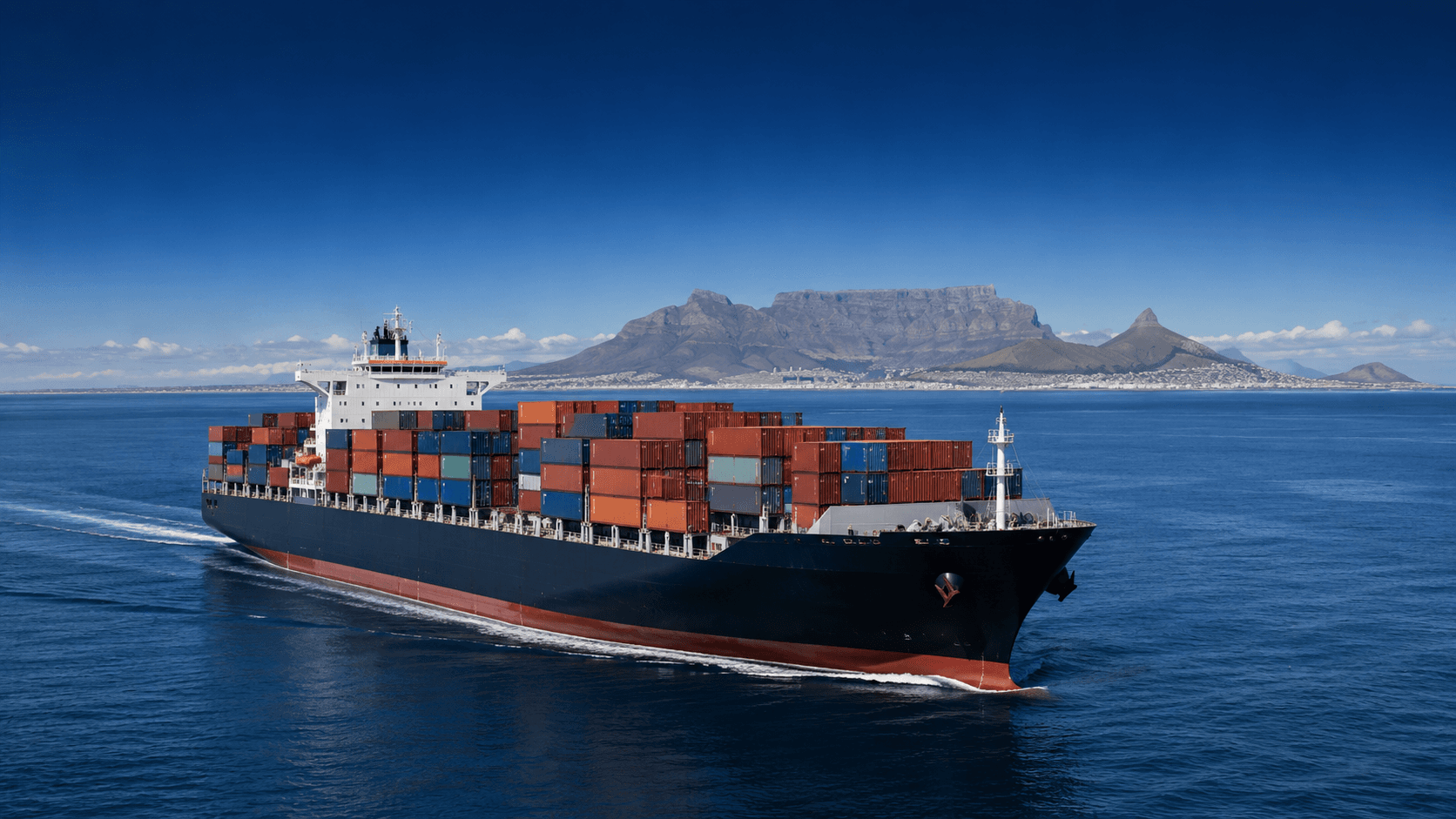
The Red Sea double closure continues to reshape food ingredient logistics between Asia and Europe despite improving Gulf shipping conditions. Procurement teams now face longer transit times, higher freight costs and new sourcing strategies as Cape routing remains the only practical option.
We're committed to your privacy. Tradeasia uses the information you provide to us to contact you about our relevant content, products, and services. For more information, check out our privacy policy.