
Partager ce produit :
Farine de canola
- Origine
- : Chine
- Numéro CAS
- : 121957-95-7
- Code SH
- : 230641
Informations de base
- Physical State
- : Solid
- Appearance / Color
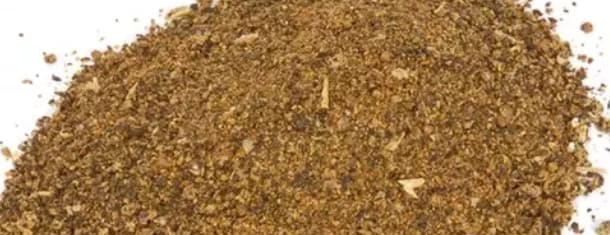
- : Light grey-brown powder / pellets
- Odor
- : Characteristic mustard
- Moisture Content (%)
- : <12%
- Synonyms & Trade Names
- : Rapeseed meal (00); Canola expeller; RSM
- Total Plate Count (TPC)
- : <500,000 CFU/g
- Yeast & Mould
- : <50,000 CFU/g
- E. Coli
- : <100 CFU/g
- Coliform Bacteria
- : <1,000 CFU/g
- Salmonella
- : Negative/25g
- Shelf Life
- : 6 months
- Packaging Size
- : 50 kg / bulk
- Packaging Type
- : PP woven bag / bulk
- Storage Conditions
- : Cool, dry; pest-free
- Halal Certification
- : Available on request
- Kosher Certification
- : Available on request
- ISO / HACCP
- : Yes
- Food Grade / Regulatory Status
- : Feed grade
- Crude Protein (%, min)
- : 36% min
- Crude Fat / Ether Extract (%, max)
- : 2.5% max
- Crude Fiber (%, max)
- : 12% max
- Ash Content — Feed (%, max)
- : 7.0% max
- Calcium Content, Ca (%)
- : 0.65%
- Phosphorus Content, P (%)
- : 1.0%
- Bulk Density
- : ~0.55 g/cm³
- Lysine Content (%, min)
- : 2.1%
- Antioxidant Treatment
- : None or as specified
- Species of Origin Declaration
- : Brassica napus (Canola/Rapeseed)
- Aflatoxin B1
- : <5 ppb
- Heavy Metals — Feed (As, Pb, Hg, Cd)
- : Compliant
- Dioxins & PCBs (pg WHO-TEQ/g fat)
- : Compliant
Catégories
Partager ce produit :
Bref aperçu
La farine de canola, également connue sous le nom de farine de colza, est un sous-produit du processus d'extraction de l'huile de canola (Brassica sp.). Il est largement utilisé pour nourrir toutes les classes de bétail en raison de sa généreuse teneur en protéines. La production massive d'huile de colza ou de canola entraîne une offre élevée de farine de colza, qui est en train de devenir un ingrédient précieux pour l'alimentation animale. Le tourteau de canola contient des niveaux élevés de méthionine et de cystéine, et son profil d'acides aminés convient bien à l'alimentation des animaux. Il est agréable au goût pour l'alimentation des ruminants, des porcs, de la volaille et de l'aquaculture.
Procédé de fabrication
La majeure partie du processus de fabrication du tourteau de canola a débuté par une extraction au solvant prépresse, en séparant l'huile de la farine. L'extraction par solvant prépresse comprend généralement le nettoyage des graines, le préconditionnement et l'écaillage des graines, la cuisson des graines, le pressage des flocons pour éliminer mécaniquement une partie de l'huile, l'extraction au solvant du tourteau pour éliminer le reste de l'huile, la désolvantation et le grillage de la farine, le séchage et le refroidissement de la farine.