Overview
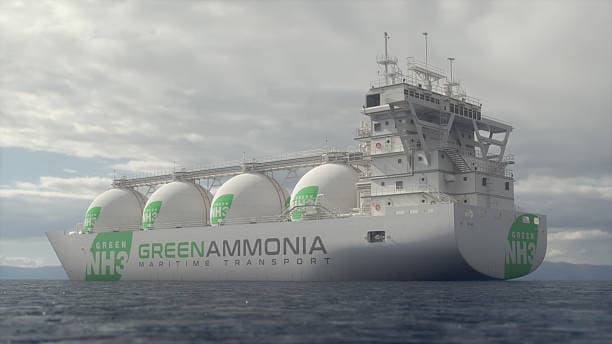
The global push toward low‑carbon ammonia is accelerating, yet Gulf region projects are experiencing significant schedule adjustments. Green ammonia—ammonia produced from renewable electricity and clean hydrogen—has become a cornerstone of the region’s decarbonisation agenda, promising both energy security and export diversification. However, key projects in Saudi Arabia, the UAE and Oman have pushed first deliveries back to 2027–2028, altering the landscape of offtake agreements and investment timelines.
Saudi Arabia Projects
NEOM Helios

NEOM Helios, a flagship initiative under the NEOM megacity vision, aims to produce 1.1 million tonnes of green ammonia annually by 2027. The project, backed by a consortium of global energy players, has encountered technical integration challenges with its renewable power supply, leading to a revised commercial delivery schedule of 2028. The delay is expected to affect the existing offtake contracts signed with regional utilities and international buyers, who were counting on 2026 availability.
ADNOC Ta’ziz
ADNOC Ta’ziz, another Saudi venture, has targeted 1.5 million tonnes per annum of low‑carbon ammonia by 2026. The project’s shift to 2027 has been attributed to supply chain bottlenecks, particularly in the procurement of electrolyser stacks and advanced carbon capture modules. ADNOC’s strategic partnership with European electrolyser manufacturers has been restructured to accommodate the new timeline, potentially inflating capital costs by 5–7%.
UAE Initiatives
Dubai Green Ammonia
Dubai’s green ammonia plan, part of the UAE’s 2050 net‑zero roadmap, was originally slated to commence deliveries in 2026. The project now anticipates first shipments in 2028 due to delays in the construction of its dedicated renewable power plant. The government’s revised schedule includes a phased approach: initial pilot production in 2027 followed by full-scale operations in 2028.
Oman's Plans
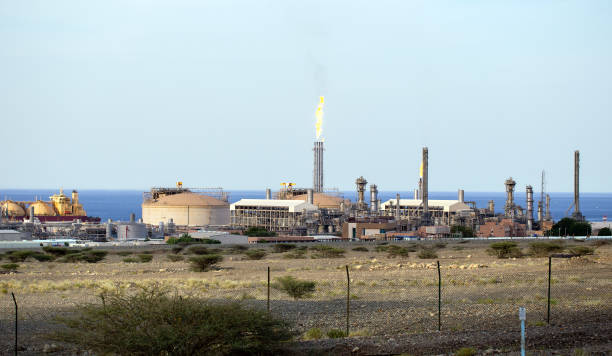
Muscat Ammonia Decarbonisation
Oman’s green ammonia strategy, spearheaded by its national gas company, aimed to launch a 0.8 million tonne annual output facility by 2026. The project’s delay to 2027 has been linked to regulatory approvals and the need for advanced safety certifications. Oman’s emphasis on ammonia decarbonisation remains, but the timeline shift may influence its position as a regional ammonia hub.
Impact on Offtake Agreements
Offtake agreements are the lifeblood of green ammonia projects, providing revenue certainty and financing leverage. The Gulf delays introduce several ramifications:
Financial Risk: Investors face prolonged periods before revenue realization, affecting debt servicing and equity returns.
Contractual Flexibility: Buyers may renegotiate terms, including price adjustments, to align with the new delivery dates.
Supply Chain Dynamics: Delayed production can lead to a surplus of clean hydrogen in the market, potentially depress hydrogen prices and impact downstream ammonia synthesis costs.
Future Outlook
Despite the setbacks, the Gulf’s commitment to green ammonia remains firm. The region’s strategic pivot toward renewable energy and clean hydrogen positions it as a future exporter of low‑carbon ammonia. Key developments to watch include:
Government incentives aimed at expediting permitting processes.
Technological breakthroughs in electrolyser efficiency, potentially reducing production timelines.
Strategic alliances with European and Asian ammonia buyers to secure long‑term offtake contracts.
while the shift of first commercial deliveries to 2027–2028 introduces short‑term challenges, it also underscores the Gulf’s resilience and adaptability in navigating the evolving clean energy landscape. Stakeholders must recalibrate investment strategies and contractual frameworks to align with the new timelines, ensuring continued momentum toward a low‑carbon future.
Ammonium Sulphate - Taiwan CAS: 7783-20-2