Borax Decahydrate (Technical Grade) - Argentina CAS: 1303-96-4

War-risk insurance premiums surged by around 50% during the earlier Gulf disruption, increasing logistics costs for chemical shipments. Procurement and compliance teams should understand how insurance pricing and regulatory oversight can influence sourcing decisions and freight budgets.

Retailers are tightening their standards on synthetic food dyes, setting 2026‑2027 deadlines that force manufacturers to reexamine ingredient sourcing and reformulation strategies. The shift toward natural colorants and clean‑label compliance reshapes product development, cost structures, and supply chains. This article breaks down the commitments, impacts, and practical steps for food companies.
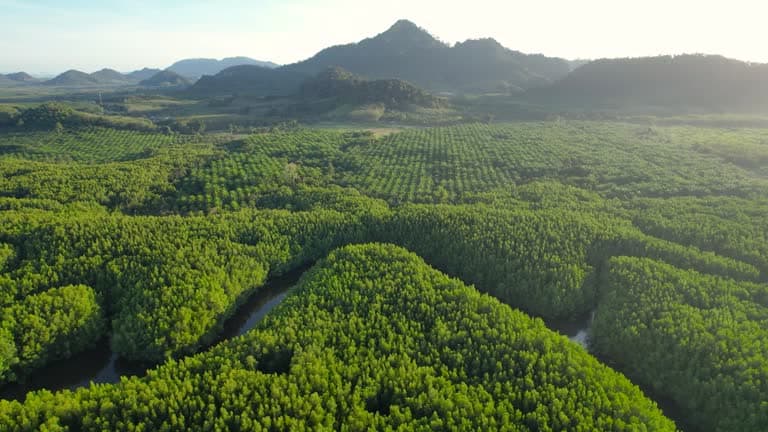
Tall oil, extracted from kraft pulp production in Scandinavia, offers a renewable, Hormuz‑free source of fatty acids and rosin. Its versatility fuels coatings, adhesives, inks and specialty chemicals, bolstering supply chain resilience across the Nordic chemical sector.
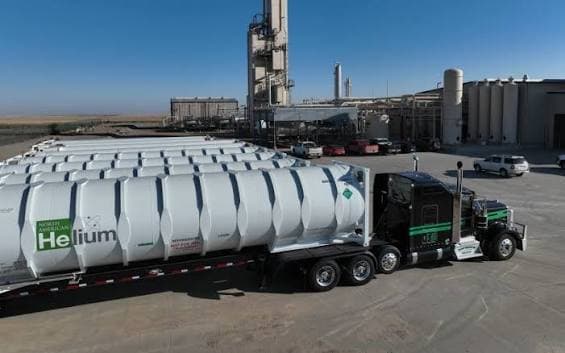
The 2026 Hormuz crisis created one of the most overlooked commodity disruptions in global markets: helium. Damage to Qatar’s Ras Laffan LNG infrastructure reduced helium production capacity, creating a structural supply shortage that may persist for years even as shipping conditions across Hormuz begin improving.
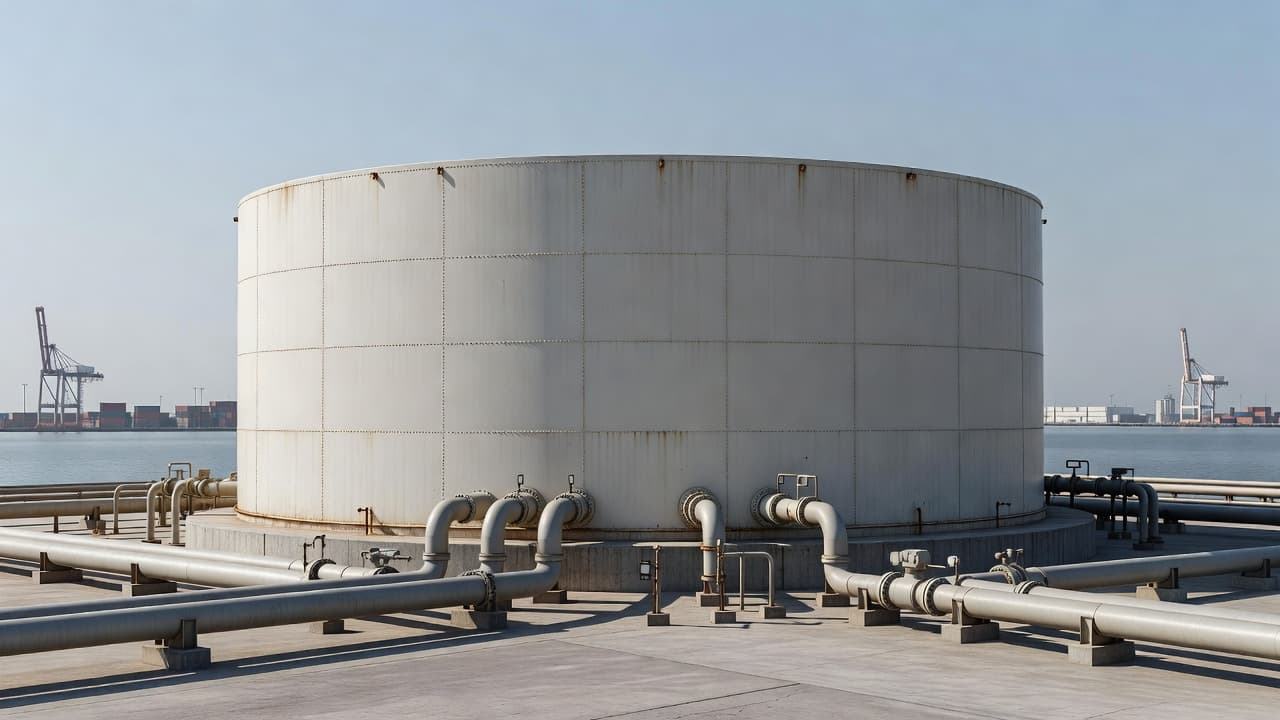
Chemical supply chains depend on stable trade routes, diplomatic channels and predictable negotiations. The Oman crisis shows how quickly geopolitical decisions can affect sourcing strategies, supplier confidence and procurement planning.
Sohar and Khor Fakkan close H1 2026 as expanded chemical logistics hubs, reshaping Gulf trade flows beyond Hormuz disruption. This shift signals a permanent change in regional distribution architecture for chemical supply chains
We're committed to your privacy. Tradeasia uses the information you provide to us to contact you about our relevant content, products, and services. For more information, check out our privacy policy.