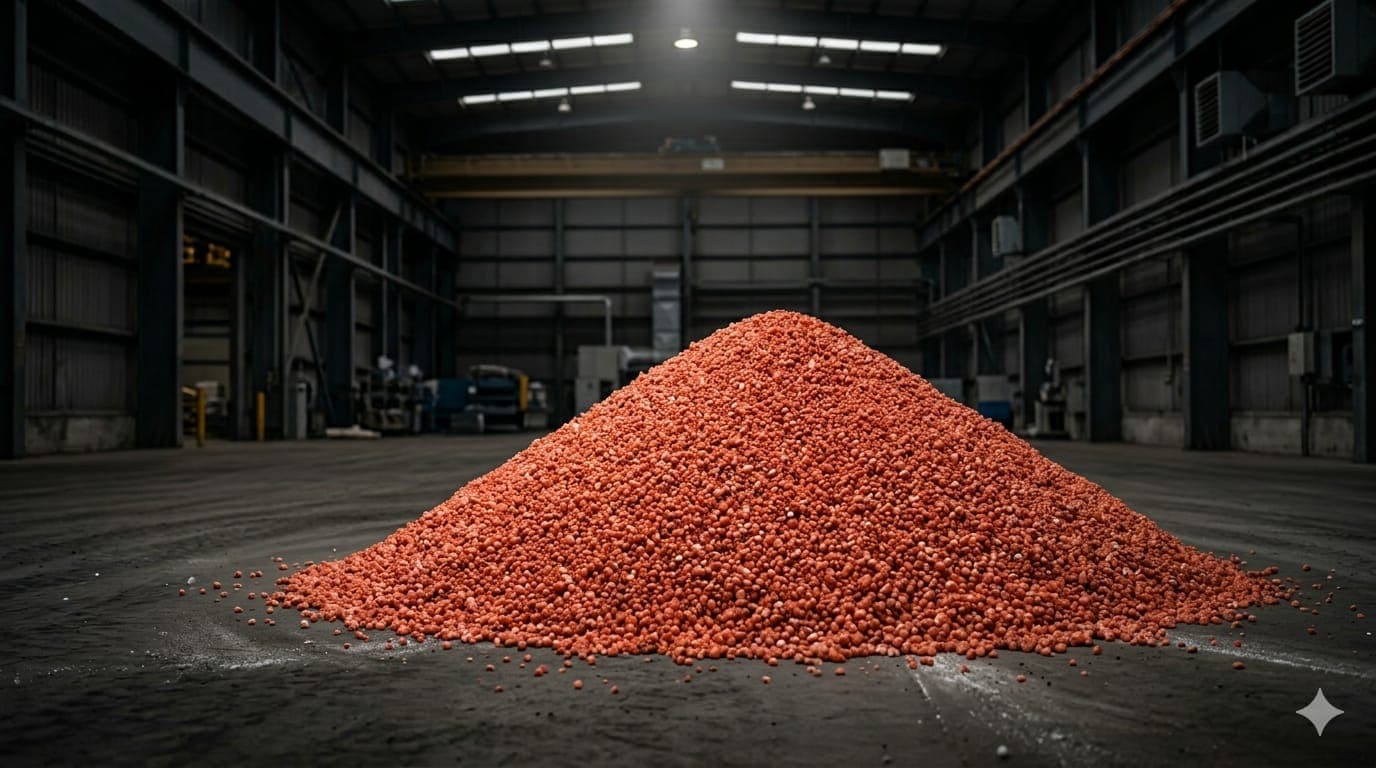
Potassium Sulphate - Indonesia CAS: 7778-80-5

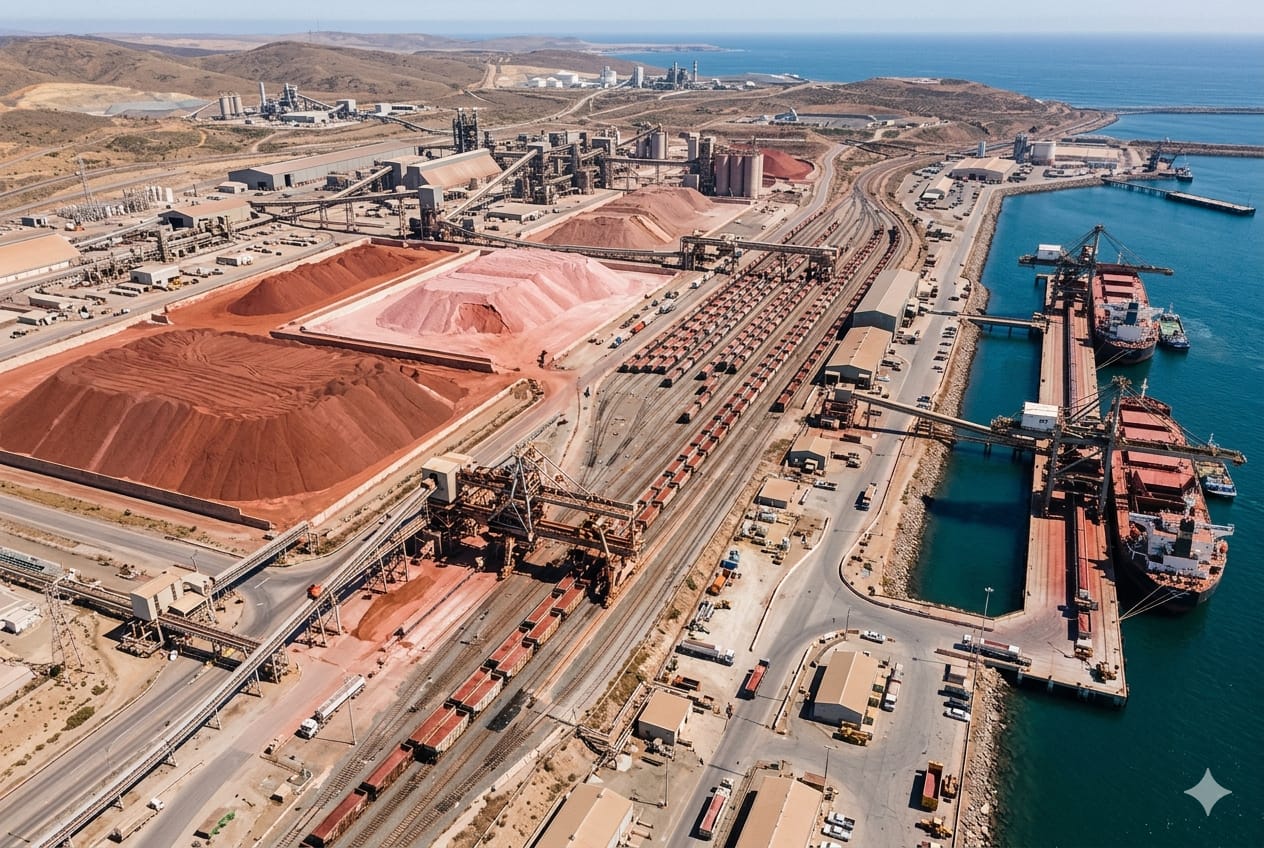
Australia enters its critical pre-season agricultural procurement period with improving global logistics, lower freight costs and stronger chemical supply conditions. For fertilizer and agrochemical buyers, July represents the most important purchasing month before spring planting begins.
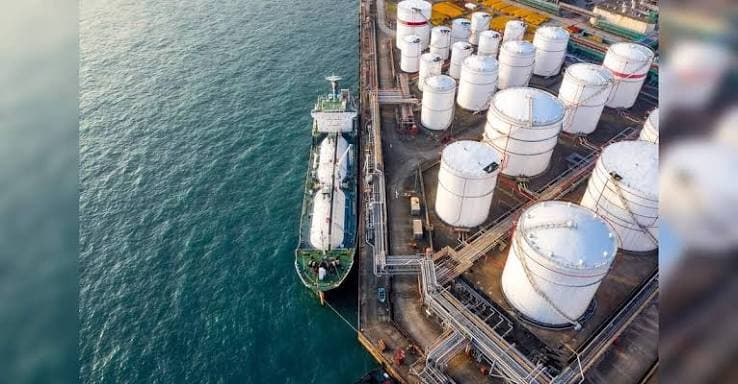
Japan's chemical industry enters H2 2026 after overcoming its most severe naphtha supply disruption in decades. The country's rapid diversification of feedstock sourcing may prove to be the most important long-term outcome of the Hormuz crisis, reshaping procurement strategies well beyond the recovery period.
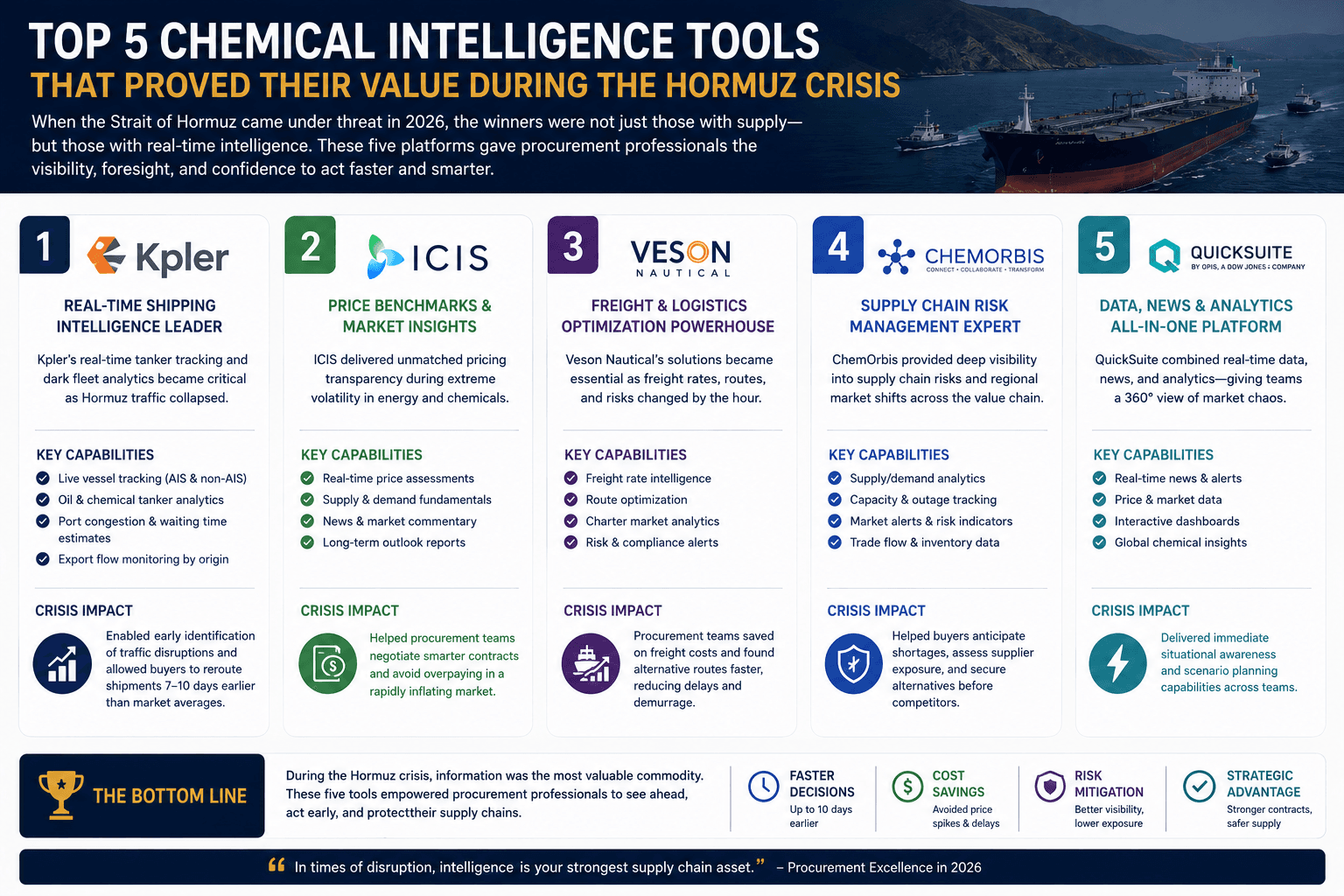
The 2026 Hormuz crisis proved that traditional procurement systems are no longer enough during global supply chain disruption. Tools like Straits.live, ICIS, Xeneta, Kpler, and IMF PortWatch gave chemical buyers the real-time intelligence needed to make faster and smarter procurement decisions when conventional supplier communication failed.
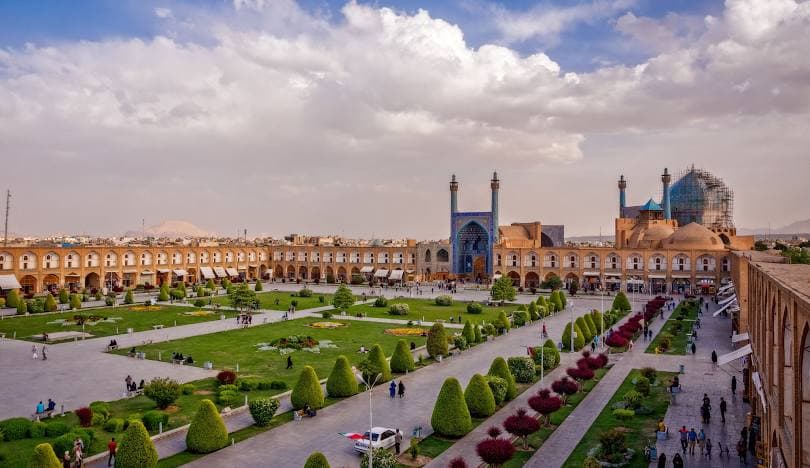
Iran's projected 69% inflation rate is reshaping pharmaceutical chemical trade across the Middle East. While Iranian petrochemical producers remain cost-competitive, ongoing sanctions, export restrictions, and shipping uncertainty continue to create challenges for pharmaceutical solvent procurement.
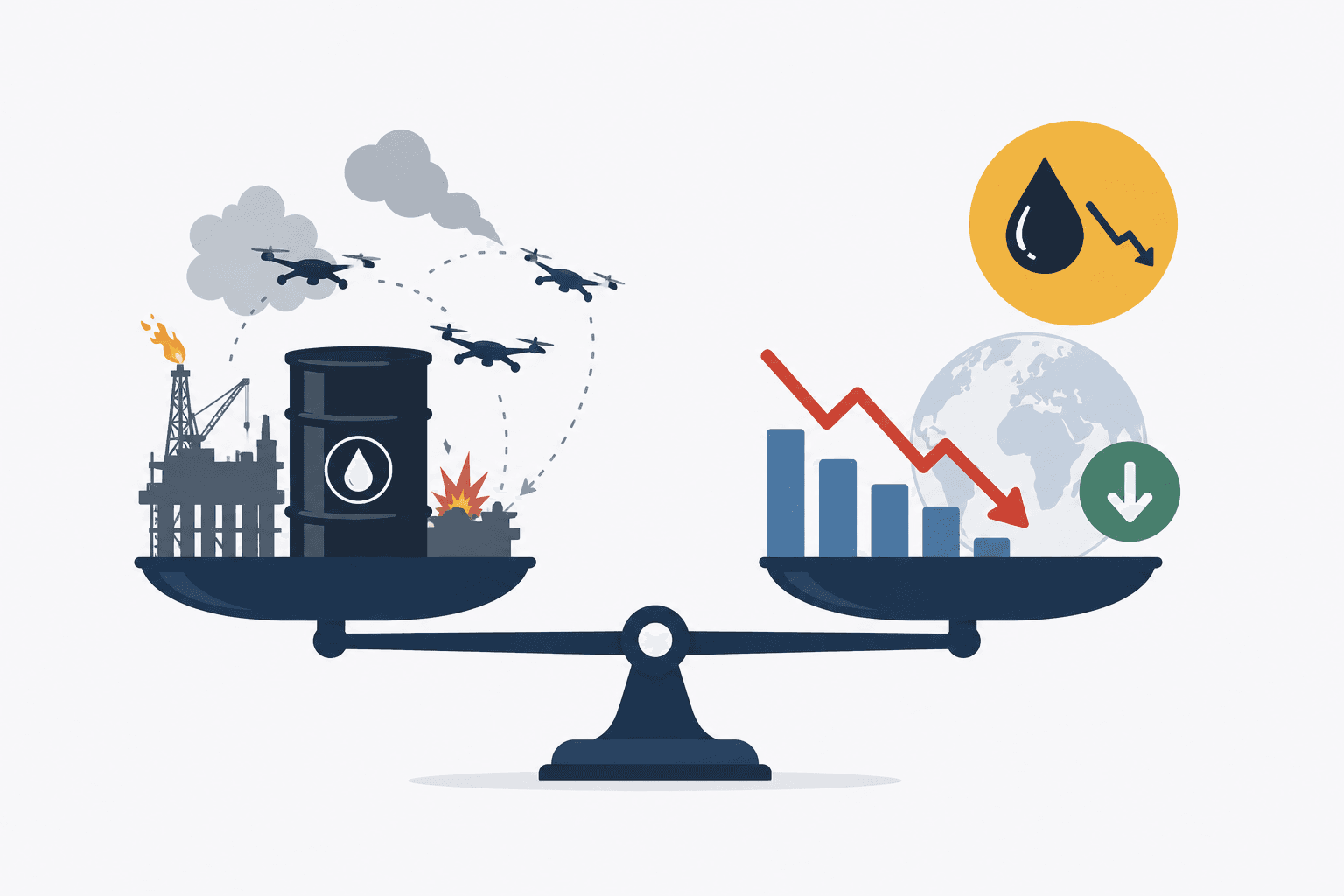
Brent crude has fallen below pre-war levels despite active military escalation in the Gulf, creating a rare market paradox. For chemical procurement teams, falling feedstock costs and unresolved logistics risk are sending completely opposite signals into H2 2026.
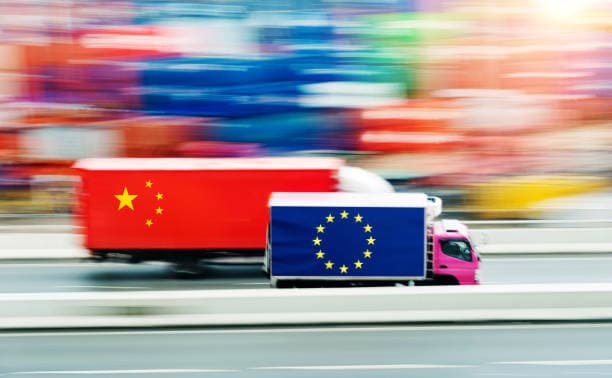
By 2026, the MSG market remains dominated by Chinese suppliers, with Fufeng Group and Meihua Biotechnology leading the way. EU regulators scrutinize imports, yet Southeast Asia’s growing demand keeps China’s export edge strong. Learn why the umami ingredients market is evolving.
We're committed to your privacy. Tradeasia uses the information you provide to us to contact you about our relevant content, products, and services. For more information, check out our privacy policy.