
Related Insights
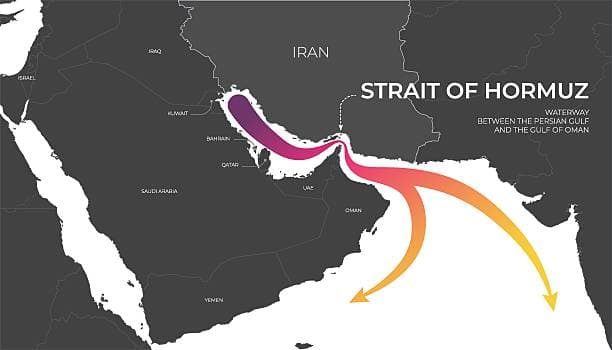
Two Chokepoints, One Crisis: Hormuz & Bab el-Mandeb Threatened Together
Simultaneous threats to the Hormuz and Bab el-Mandeb choke points could ripple through global shipping and chemical supply chains, demanding urgent resilience measures. This article examines the risks, impacts, and strategies to mitigate disruption.

Trump Suspends Moroccan Phosphate Duties: Fertilizer Logistics Impact
The U.S. administration has temporarily halted customs duties on Moroccan phosphate, a key raw material for fertilizers. This move reshapes import flows, sourcing decisions, and logistics planning for agribusinesses worldwide, with ripple effects across the global phosphate market.

One Big Beautiful Bill Act: How US Tax Policy Is Reshaping Chemical Industry Investment in 2026
The H.R.1 One Big Beautiful Bill Act has become an important factor influencing capital allocation across the US chemical industry. Procurement teams, investors and manufacturers should understand how tax policy can affect production capacity, supply chains and long-term sourcing decisions.

ESG Ratings in a Crisis: Hormuz as a Test of Chemical Company Supply Chain Resilience
The sudden disruption in the Hormuz Strait has spotlighted the fragility of chemical supply chains. Companies now must rethink sourcing, diversify origins, and embed measurable resilience into ESG reports to regain investor trust. Learn how to turn crisis into ESG growth.

Nordic Tall Oil: A Hormuz‑Independent Renewable Feedstock for the Chemical Industry
Tall oil, extracted from kraft pulp production in Scandinavia, offers a renewable, Hormuz‑free source of fatty acids and rosin. Its versatility fuels coatings, adhesives, inks and specialty chemicals, bolstering supply chain resilience across the Nordic chemical sector.

China’s New Hazardous Chemicals Safety Law 2026: What Businesses Must Know
China’s Hazardous Chemicals Safety Law, effective May 1 2026, tightens controls across manufacturing, storage, transport, and trade. With China projected to add 70% of global chemical capacity by 2027, compliance is essential for suppliers and buyers worldwide. This article details key provisions, regulatory requirements, and practical steps for global supply‑chain integration.
Don't miss out on our updates! Subscribe to our newsletter now
We're committed to your privacy. Tradeasia uses the information you provide to us to contact you about our relevant content, products, and services. For more information, check out our privacy policy.