Methanol CAS: 67-56-1
Methanol CAS: 67-56-1

The H.R.1 One Big Beautiful Bill Act has become an important factor influencing capital allocation across the US chemical industry. Procurement teams, investors and manufacturers should understand how tax policy can affect production capacity, supply chains and long-term sourcing decisions.

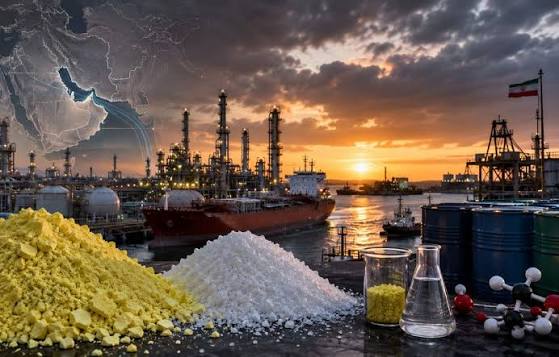
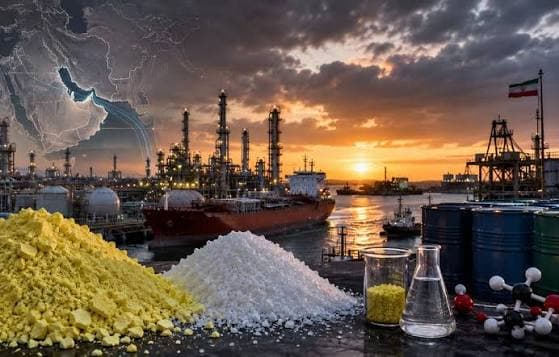
The sudden disruption in the Hormuz Strait has spotlighted the fragility of chemical supply chains. Companies now must rethink sourcing, diversify origins, and embed measurable resilience into ESG reports to regain investor trust. Learn how to turn crisis into ESG growth.
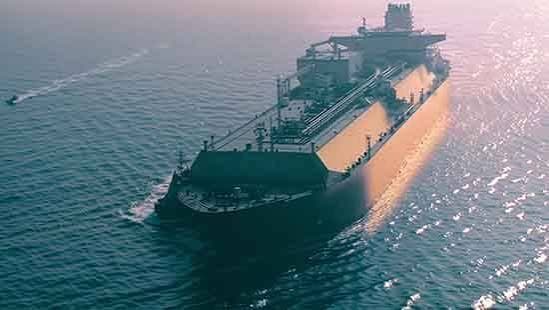
The International Maritime Organization has confirmed 49 security incidents across Hormuz and the Persian Gulf as of June 30, creating the most comprehensive official risk dataset of the 2026 shipping crisis. For chemical tanker operators and cargo buyers, this record now defines insurance underwriting and shipping risk calculations for H2 2026.
Pakistan enters July 2026 with improving chemical import conditions supported by lower crude prices, recovering Gulf logistics and easing freight costs. However, foreign exchange constraints and trade finance remain the defining commercial risks for international suppliers.
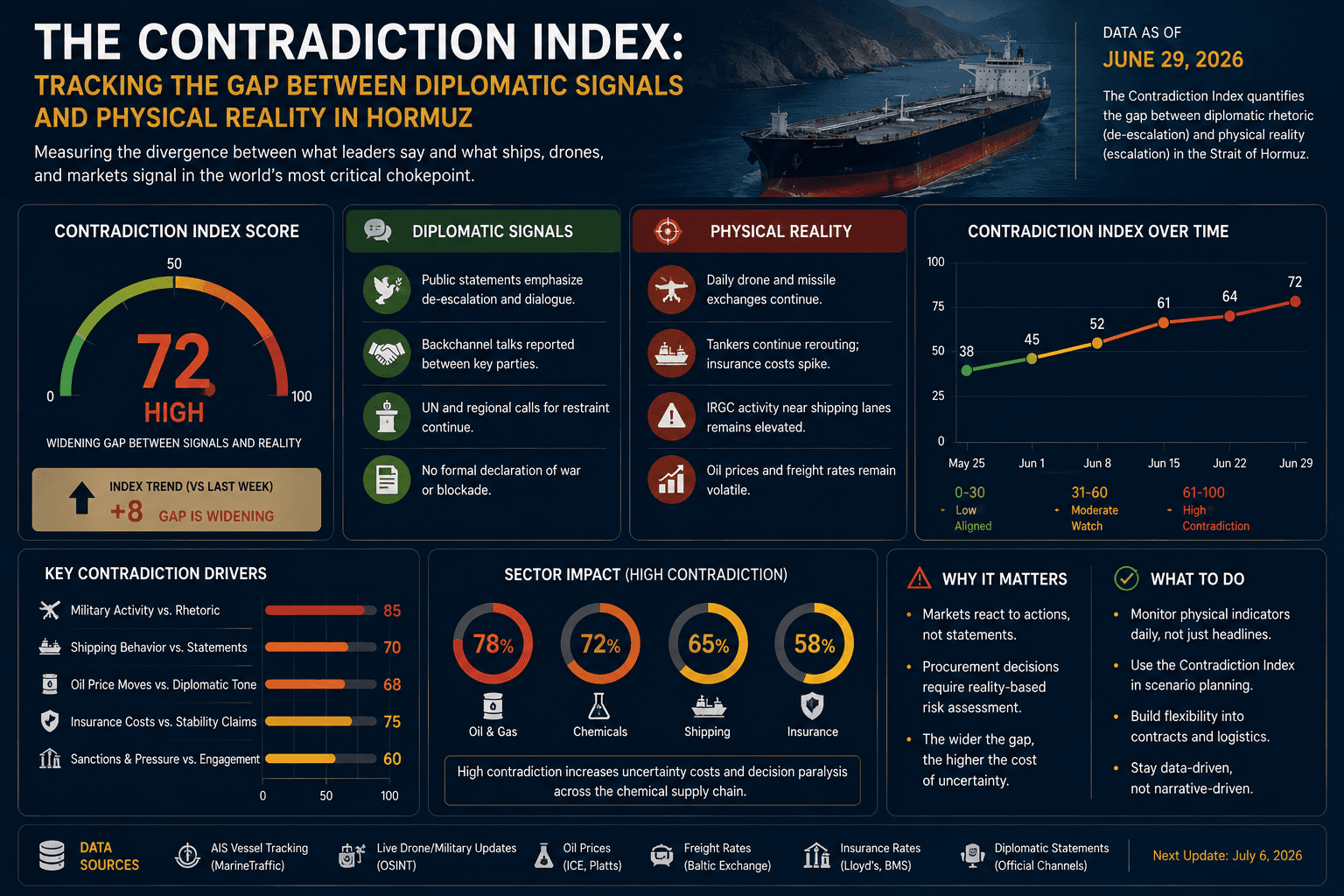
July 1 reveals the biggest contradiction of the Hormuz crisis so far: diplomacy suggests progress, but physical shipping data shows continued disruption. For chemical procurement professionals, understanding the gap between political signals and operational reality has become essential for making correct supply chain decisions.
Gulf exports have recovered significantly during H1 2026, yet hundreds of vessels remain anchored across the region. This backlog highlights why chemical buyers should expect a gradual logistics recovery rather than an immediate return to normal shipping conditions.
We're committed to your privacy. Tradeasia uses the information you provide to us to contact you about our relevant content, products, and services. For more information, check out our privacy policy.