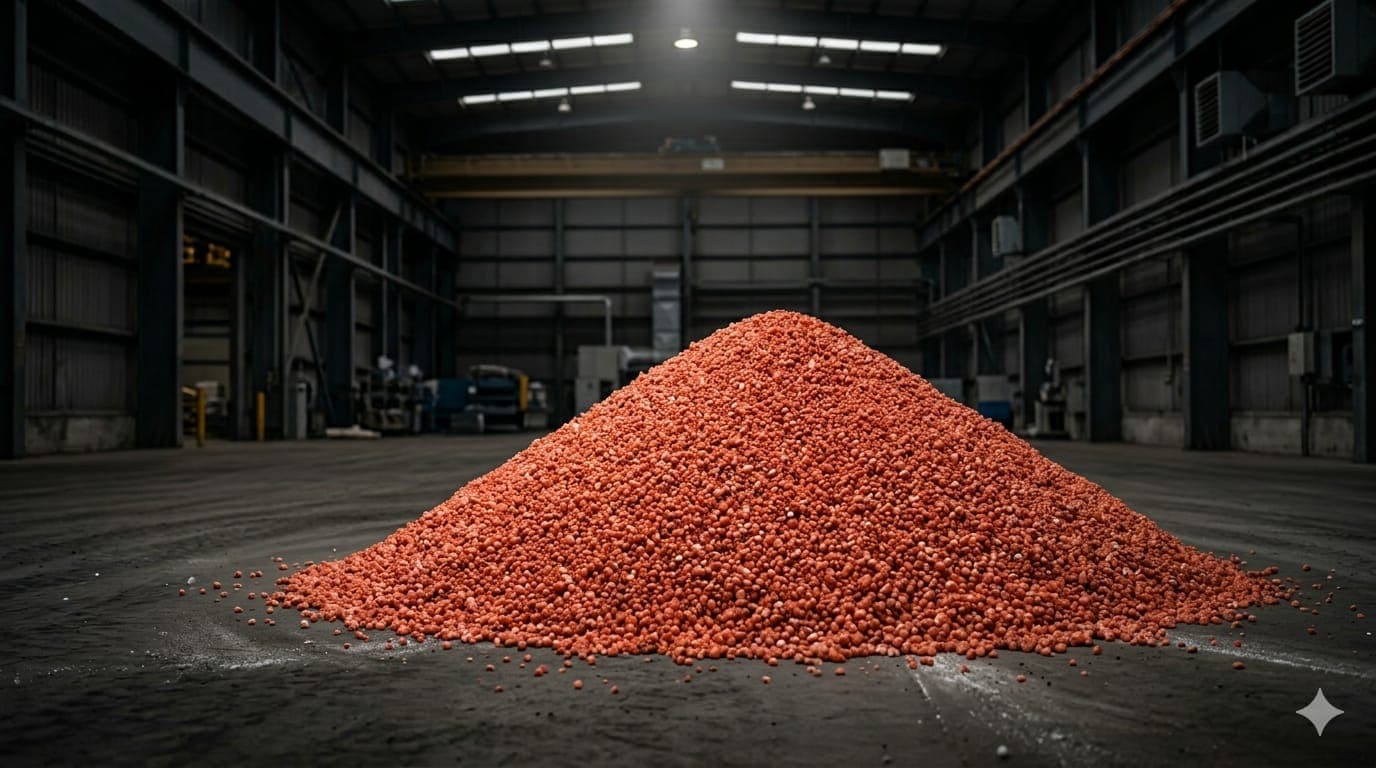
Potassium Sulphate - Indonesia CAS: 7778-80-5
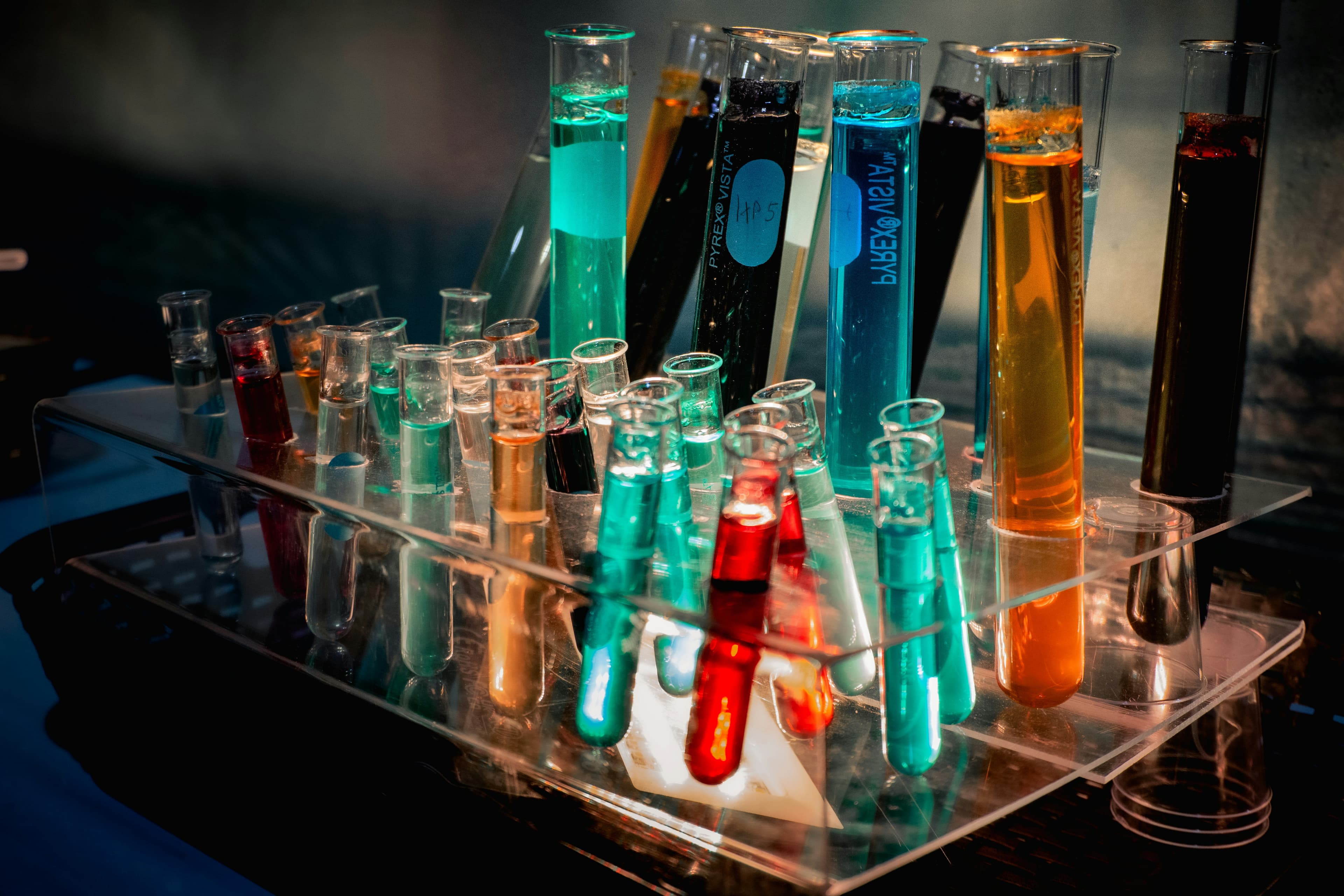
The first half of 2026 reshaped pharmaceutical chemical procurement through supply chain disruptions, rising logistics costs, GLP-1 manufacturing expansion, and evolving regulatory requirements. Here are the key intelligence insights and procurement priorities for H2 2026.
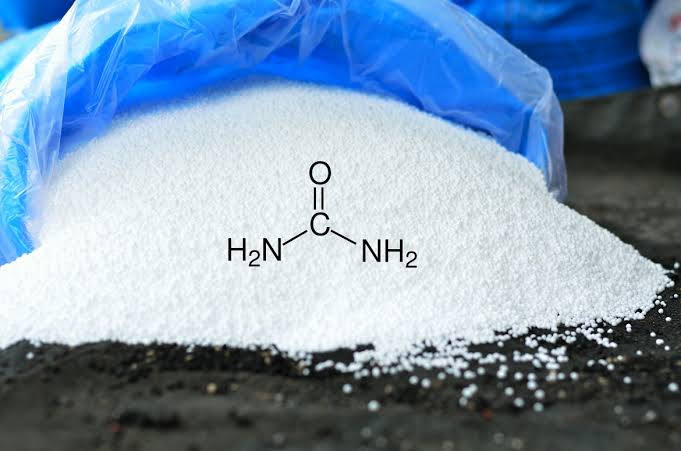
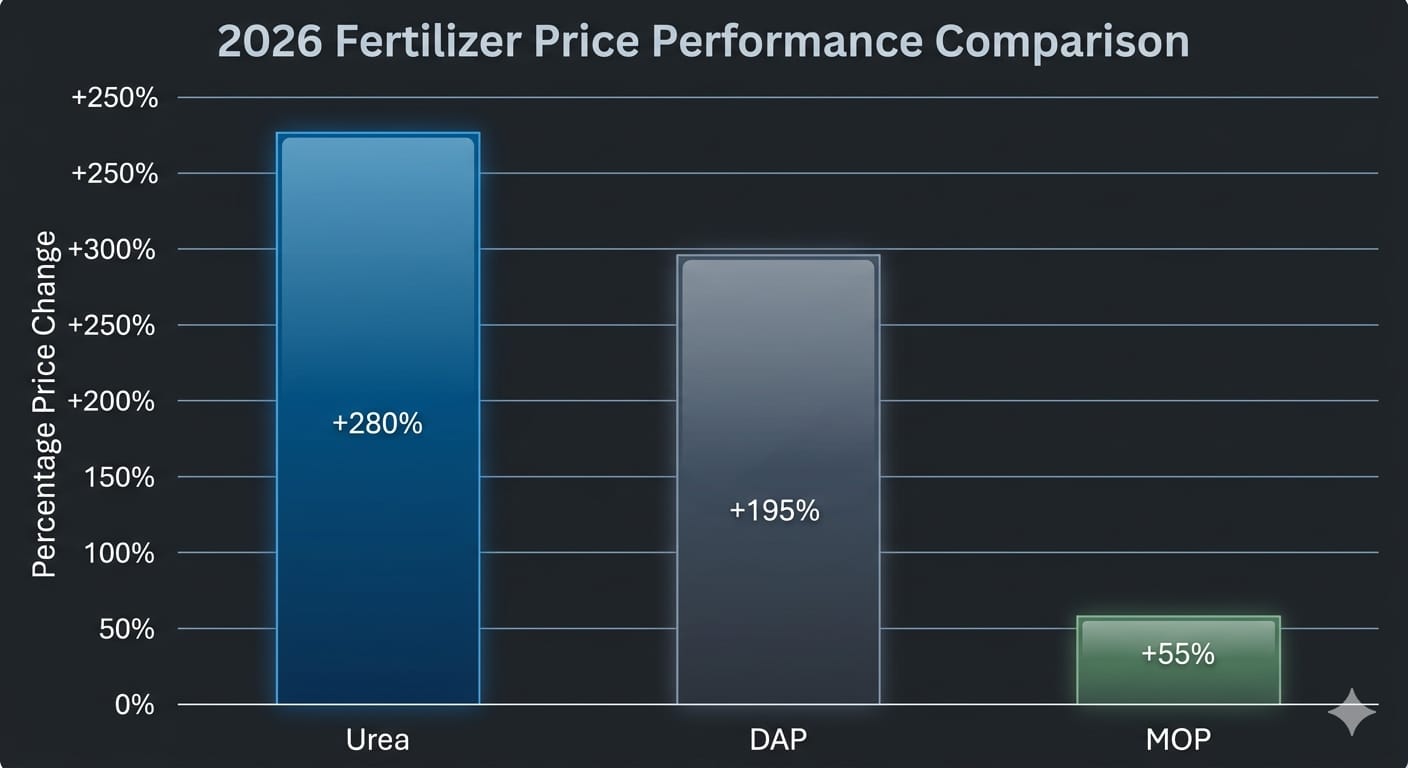
This week's agrochemical intelligence highlights fertilizer supply recovery, phosphate pricing, urea market developments, Bangladesh's ammonia restart, and upcoming EU trade decisions that could reshape procurement strategies during Q3 2026.
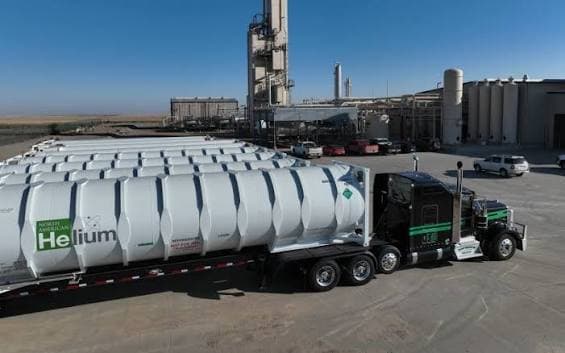
The 2026 Hormuz crisis created one of the most overlooked commodity disruptions in global markets: helium. Damage to Qatar’s Ras Laffan LNG infrastructure reduced helium production capacity, creating a structural supply shortage that may persist for years even as shipping conditions across Hormuz begin improving.

The adhesives and sealants industry is poised for a robust second-half 2026, driven by a US residential housing rebound and the resumption of Gulf infrastructure projects. With supply still tight—especially MDI, acrylic monomers, and epoxy resins—procurement teams must act early to secure materials and mitigate price volatility.
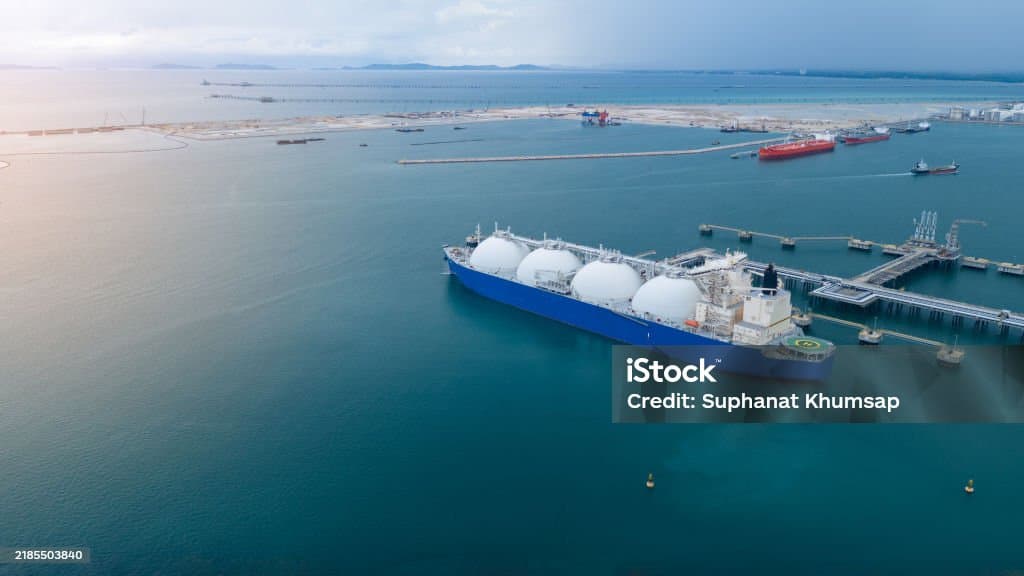
MSG pricing is set for a pivotal shift as Chinese producers Fufeng Group and Meihua Holdings release their H2 2026 contracts. With stable corn costs and easing freight rates, the new price points could redefine global food ingredient procurement. This article explores the strategic moves of these key players and the competitive implications for buyers worldwide.

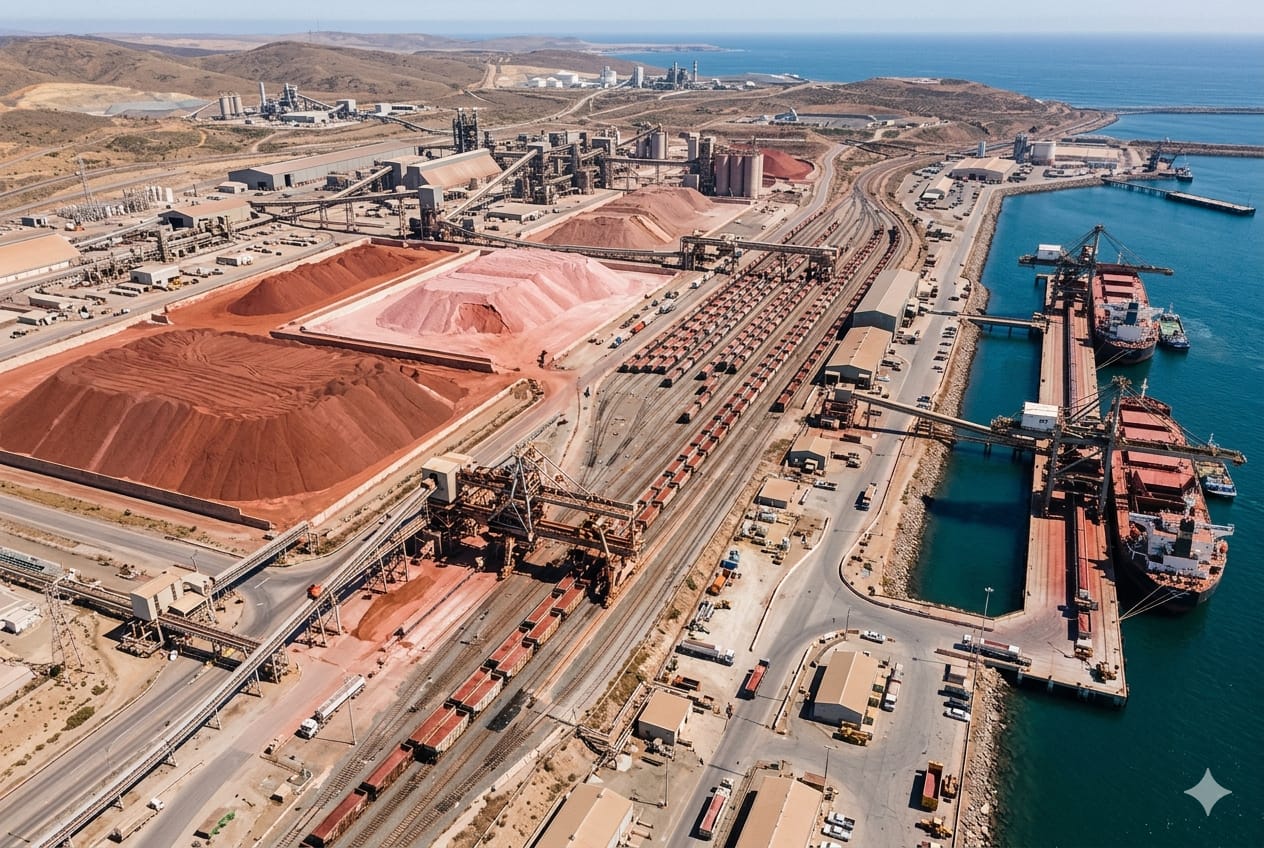
The Hormuz crisis reshaped global fertilizer flows, accelerating growth in North America, India and China. This article examines the top agrochemical suppliers, their market shares, and emerging trends in urea, phosphate and potash distribution.
We're committed to your privacy. Tradeasia uses the information you provide to us to contact you about our relevant content, products, and services. For more information, check out our privacy policy.