Carbon Black (N110) - India CAS: 1333-86-4
The expected 3–5-year reduction in Qatar's helium production is reshaping global supply chains. Learn how semiconductor, pharmaceutical, and healthcare industries can prepare for long-term helium shortages.

The IMO dataset of 49 confirmed maritime incidents gives hospital pharmacy teams a structured roadmap to assess pharmaceutical exposure in the Gulf. By mapping API and chemical routes against high‑risk zones, procurement leaders can strategically plan Q3 logistics and safeguard patient care.
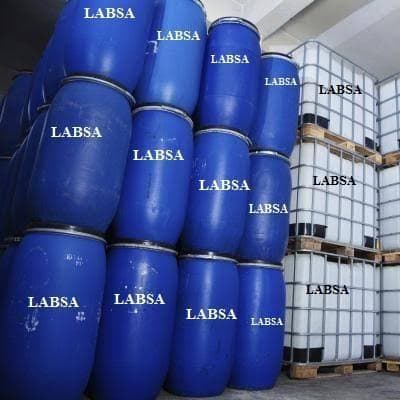
The reopening of Gulf export routes is improving n-paraffin availability, a key feedstock for LAB and LABSA production. As supply normalizes, detergent manufacturers may see easing costs in H2 2026, while buyers with existing contracts should review pricing adjustment clauses.
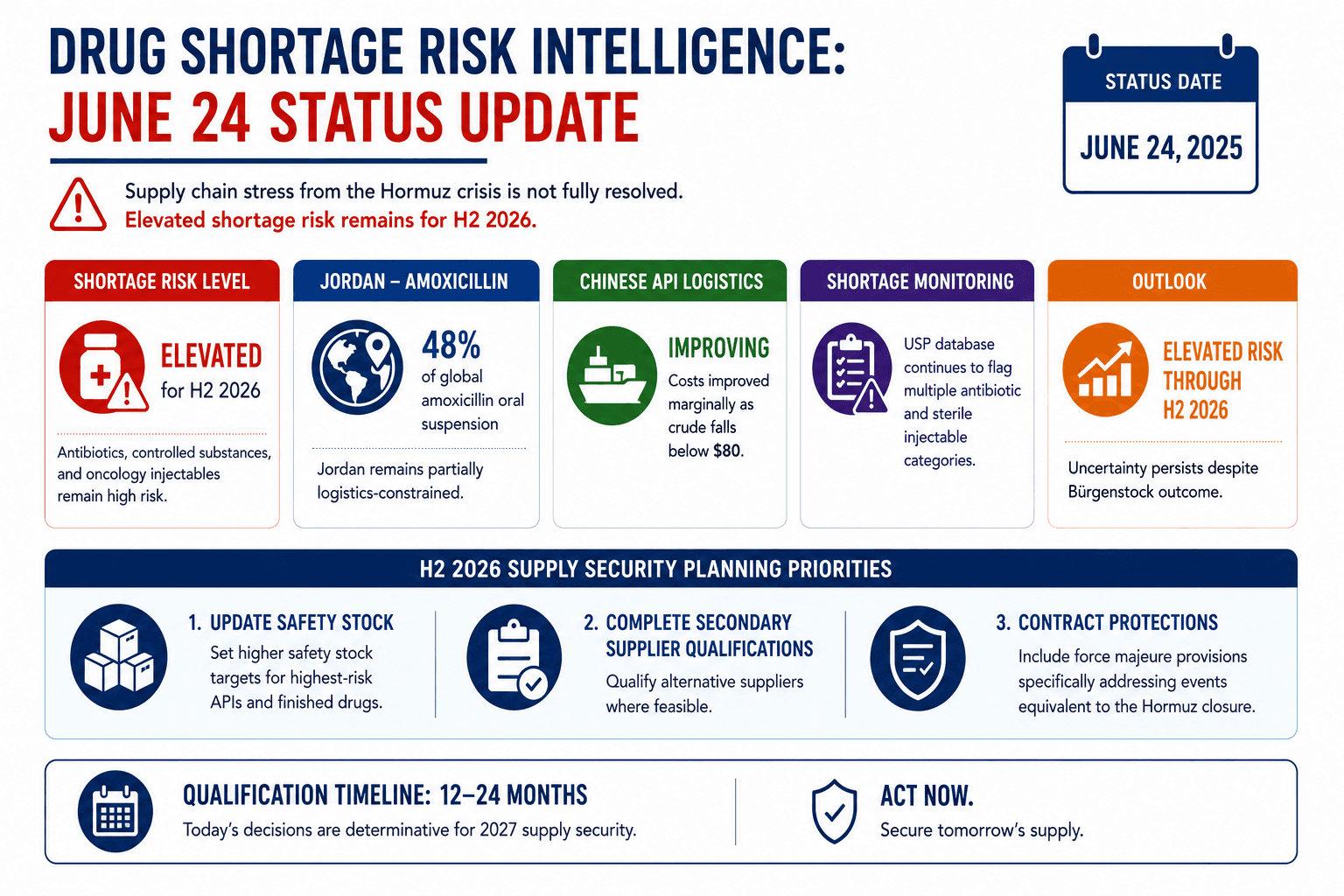
Drug shortage risk remains elevated in H2 2026 despite easing Hormuz tensions. Pharmaceutical procurement teams should prioritize safety stock updates, secondary supplier qualification, and stronger force majeure protections to secure supply continuity into 2027.
USDA crop condition reports are providing the first meaningful indicators for second-half food ingredient pricing. With US corn conditions tracking near historical trend levels and freight costs beginning to ease, the outlook for starch, glucose and derivative ingredients appears more stable than many buyers expected earlier this year.
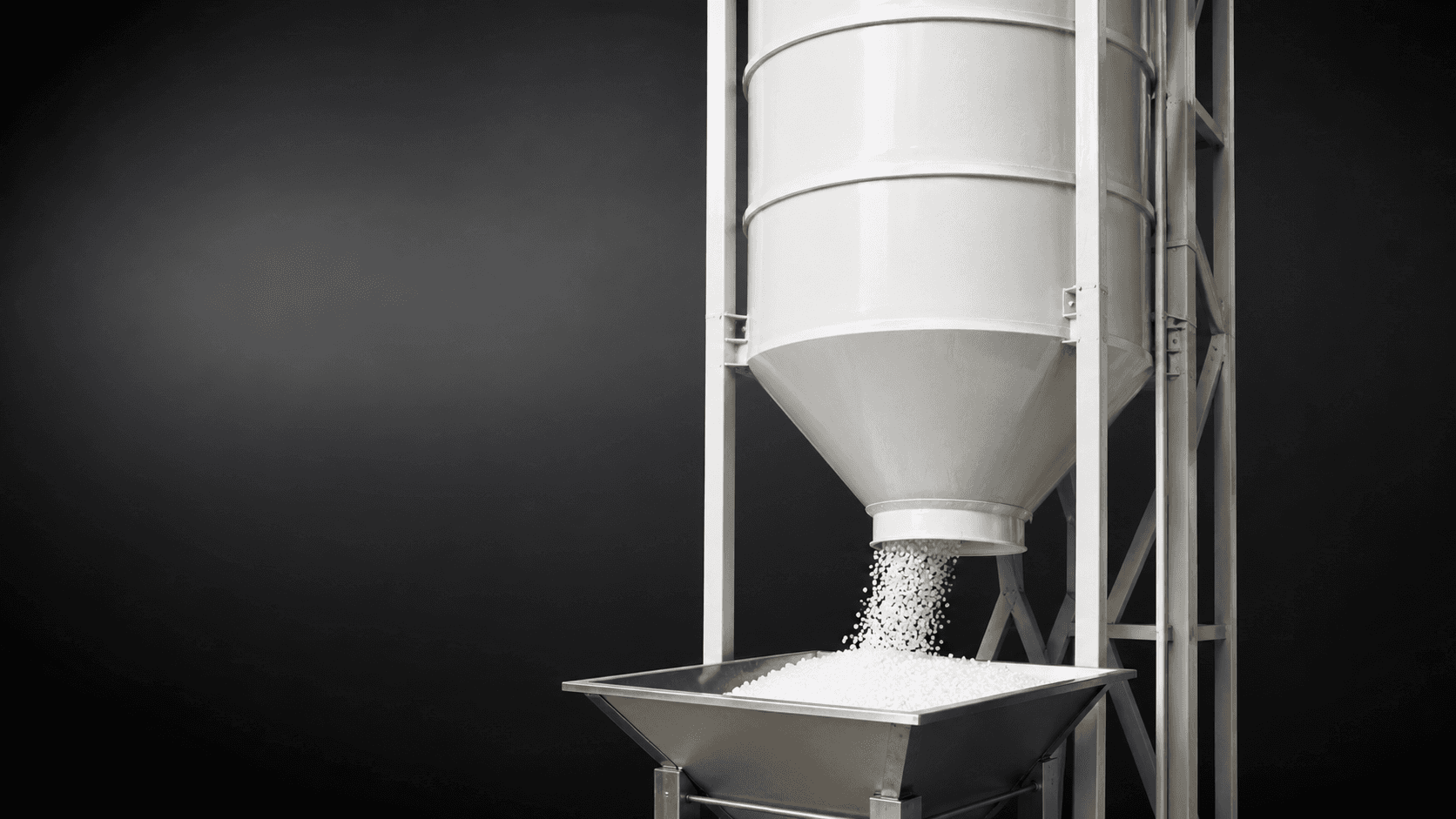
Southeast Asia's PE and PP markets have shifted away from panic-driven purchasing as converters return to need-based buying. While demand has normalized, tight supply conditions and persistent energy market risks continue to support polymer prices across the region.
We're committed to your privacy. Tradeasia uses the information you provide to us to contact you about our relevant content, products, and services. For more information, check out our privacy policy.